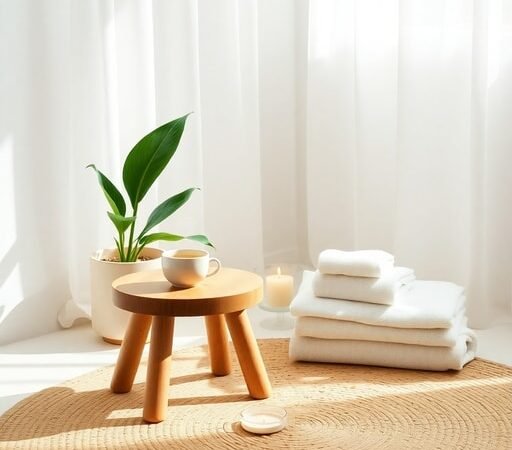
Designing a Zen Wellness Corner with Herbal Teas & Bodycare
1. Understanding the Foundations
Begin by defining the purpose of your corner. Whether you seek stress relief, improved sleep, or a dedicated area for self‑reflection, a clear intention guides every design choice. Spend a few minutes each morning writing down one goal for the space; this habit reinforces mindfulness and keeps the area aligned with your evolving needs.
1.1 Intentionality and Mindset
Begin by defining the purpose of your corner. Whether you seek stress relief, improved sleep, or a dedicated area for self‑reflection, a clear intention guides every design choice. Spend a few minutes each morning writing down one goal for the space; this habit reinforces mindfulness and keeps the area aligned with your evolving needs.
1.2 Sensory Elements
A Zen corner engages sight, sound, touch, and smell. Choose a neutral palette of soft greys, warm woods, and muted greens to minimize visual clutter. Introduce natural textures such as linen cushions, stone coasters, and unglazed ceramic cups. These materials ground the space and invite tactile awareness during tea preparation or bodycare rituals.
1.3 Personalized Tea Rotation
Tailor your tea selection to your daily rhythm and seasonal shifts. For instance, reserve a strong green tea blend for Monday mornings to boost focus, while saving a calming chamomile‑lavender infusion for evenings. Label each jar with the intended day and benefit, making the rotation both functional and visually pleasing.
2. Creating the Physical Space
2.1 Minimalist Furniture Choices for Flow
Opt for low‑profile pieces that encourage a grounded posture. A low bamboo platform paired with a floor cushion provides a comfortable seat for tea drinking or meditation. Keep the footprint under three square feet to maintain openness; this allows energy to circulate freely and prevents the area from feeling cramped.
2.2 Lighting for Serenity
Soft, diffused lighting mimics the gentle glow of sunrise and sunset. Use a salt lamp or a paper lantern with a warm LED bulb to create a soothing ambiance. Position the light source at eye level when seated, avoiding harsh shadows that can disrupt relaxation. Adjustable brightness lets you adapt the illumination to different activities, from vibrant morning tea to tranquil night‑time bodycare.
2.3 Sound Elements
Introduce calming auditory layers to mask external noise. A small tabletop fountain provides a steady trickle that promotes concentration and reduces stress. Complement the water sound with a subtle wind chime or a soft instrumental playlist set at low volume, ensuring the audio remains a background enhancement rather than a distraction.
3. Integrating Bodycare Rituals
3.1 DIY Herbal Bath Soaks
Transform your bathing routine into a therapeutic experience. Making your own herbal bath soak is cost‑effective and allows full control over ingredients. Measure 2 cups of Epsom salts, 2 tablespoons of dried lavender buds, and 5 drops of argan oil into a mixing bowl. Stir the ingredients until evenly combined, then transfer the mixture to an airtight jar. Label the jar with the date and intended use. Store in a cool, dry place and add a handful to warm bath water for a soothing soak that eases muscle tension and nourishes the skin.
3.2 Herbal-Infused Body Oils for Massage
Enhance massage sessions with oils infused with botanicals known for their restorative properties. Combine ½ cup of sweet almond oil, 1 tablespoon of dried rosemary, and 1 teaspoon of freshly grated ginger in a small saucepan. Warm the mixture over low heat for exactly 10 minutes, stirring occasionally, then remove from heat and let cool slightly. Strain the oil through a fine mesh sieve or cheesecloth into a clean glass bottle. The resulting oil stimulates circulation and delivers a gentle warming sensation, ideal for post‑workout recovery or evening relaxation. Apply using slow, circular motions, focusing on areas of tension such as the shoulders and lower back.
3.3 Facial Steam Rituals
Open pores and refresh the complexion with a facial steam infused with herbs. Boil 2 cups of water, add a handful of dried mint and chamomile, then lean over the pot with a towel draped over your head for five minutes. The steam softens the skin, preparing it for a gentle cleanse or the application of a hydrating serum. Finish with a splash of cool water to close the pores, leaving the face feeling revitalized.
4. Sourcing Sustainable and High-Quality Ingredients
4.1 The Importance of Quality Sources
The efficacy of your herbal rituals depends entirely on the quality of the plants you use. reputable supplier relationships ensure that each herb, tea leaf, and oil retains its full potency and is free from contaminants. Look for vendors that provide transparent sourcing information, organic certifications, and harvest dates, as these factors directly influence the therapeutic value of your preparations.
4.2 Eco-Friendly Packaging and Production
When purchasing body oils, salts, or lotions, prioritize containers that minimize environmental impact. Opt for glass, aluminum, or post‑consumer recycled plastic, which are reusable or recyclable and help reduce plastic waste. Supporting brands that employ low‑energy production methods and fair‑trade practices further aligns your wellness corner with principles of sustainability and social responsibility.
5. Maintaining Your Zen Wellness Corner
5.1 Regular Cleaning and Organization
A clutter‑free environment sustains the calming atmosphere you’ve cultivated. Sweep the floor weekly, wipe down surfaces with a natural vinegar solution, and reorganize tea jars and bodycare items after each use. Implement a simple system—such as labeling shelves with “Teas,” “Oils,” and “Tools”—to maintain order and make retrieval effortless.
5.2 Rotating Tea and Bodycare Products Seasonally
Align your inventory with the changing seasons to keep the corner fresh and relevant. In warmer months, emphasize lighter Bodycare Products such as citrus‑infused oils and iced herbal teas. As temperatures drop, introduce richer formulations like spiced chai blends and deeply moisturizing balms. This seasonal rotation not only matches your body’s evolving needs but also invites periodic rediscovery of your wellness rituals.
Creating a Zen wellness corner combines mindful tea rituals, soothing bodycare, and intentional design to nurture both mental clarity and physical well‑being. By following these practical steps—setting clear intentions, selecting sensory elements, crafting DIY recipes with precise measurements, sourcing quality ingredients, and maintaining the space—you can establish a personal sanctuary that evolves with your needs. Start today, and transform everyday moments into opportunities for calm and renewal.