Introduction
The allure of Moroccan interiors lies in layered textures, sun‑worn colors, and handcrafted details that whisper stories of distant souks.When you choose DIY Moroccan‑Style Wall Hangings Using Natural Materials, you invite that narrative into your living room while honoring the planet. A seasoned artisan from Fez once said, “Every thread carries the wind of the desert and the patience of the loom.” Sustainable décor is now a top trend in 2024 home renovations, underscoring a collective shift toward eco‑friendly home décor. By weaving together responsibly sourced fibers, time‑tested motifs, and modern finishing tricks, you can create a statement piece that feels both ancient and fresh.
1. Sourcing Authentic Natural Materials for Crafting Moroccan Wall Hangings with Natural Fibers
1.1. Local vs. Imported Fibers – pros, cons, and carbon‑footprint comparison
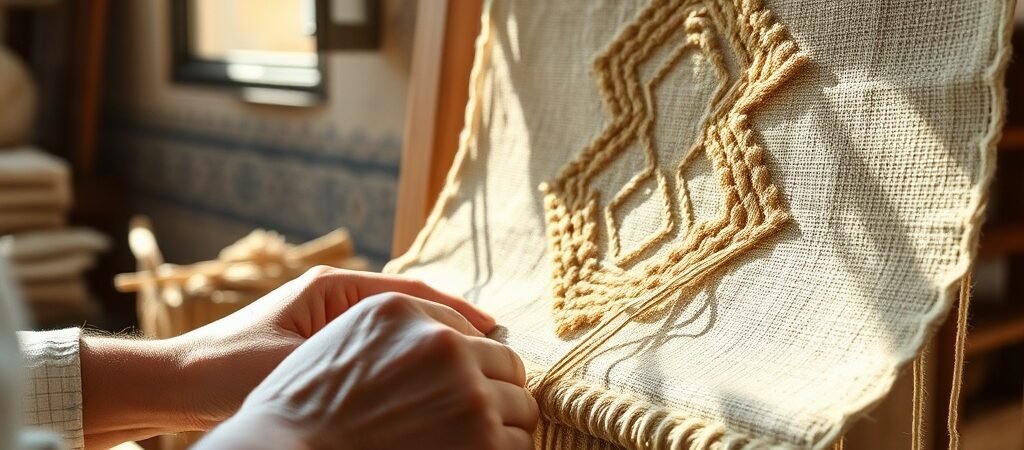
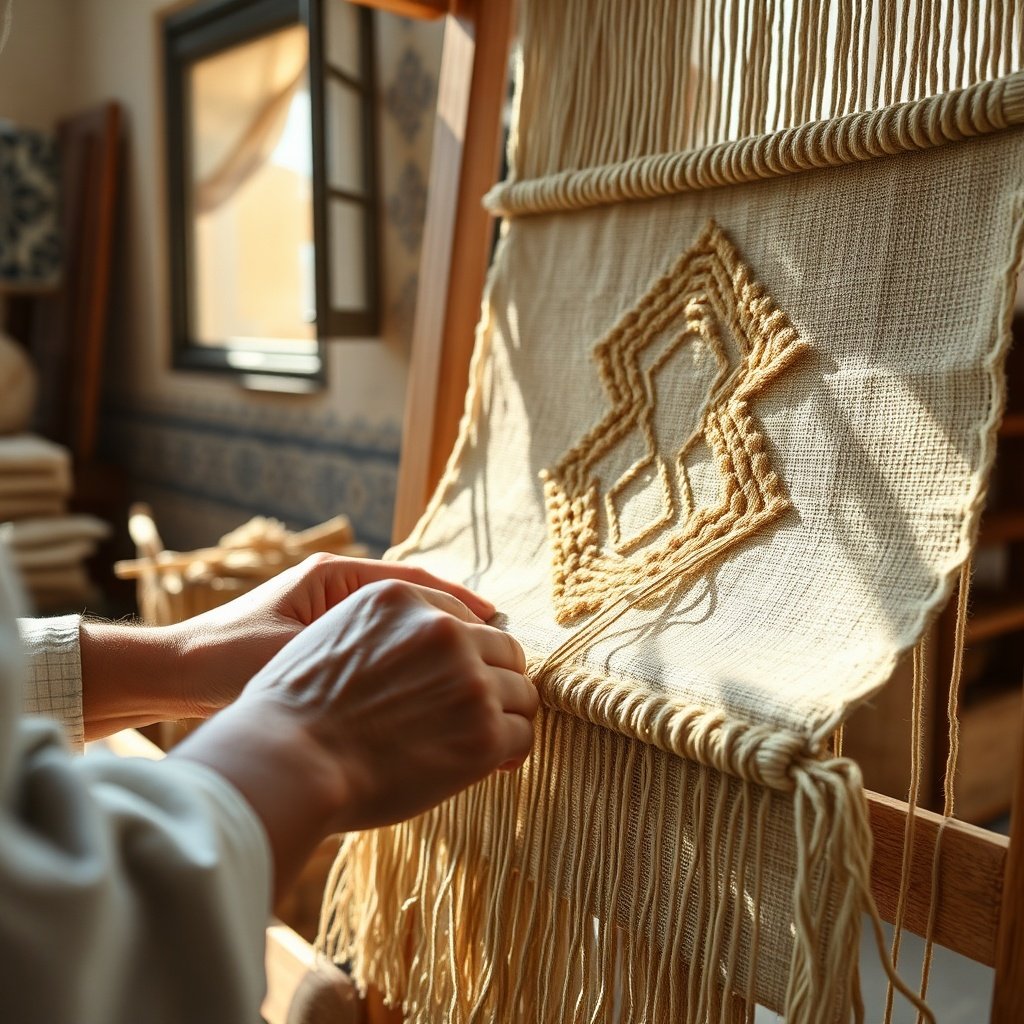
*Close‑up of the weaving process using natural materials, highlighting texture and traditional motifs.*
Choosing between a locally harvested sisal bale and a hand‑spun Moroccan cotton rope hinges on three factors: travel emissions, price per yard, and cultural authenticity. A 2023 logistics report calculated that importing 100 yards of Moroccan cotton adds roughly 0.42 kg CO₂ per yard, while domestic sisal averages 0.12 kg CO₂. However, the cotton’s natural sheen and fine twist often justify the extra footprint for a true‑to‑tradition hanging.
1.2. Identifying Quality: How to test cotton, wool, sisal, and palm leaf for durability
Start by feeling the fiber’s twist; high‑quality cotton should glide smoothly yet resist stretching when you pull a 6‑inch segment. Wool fibers reveal a faint “crackle” when rubbed between thumb and forefinger—an indicator of lanolin retention and water resistance. For sisal, bend a strand; it should snap cleanly rather than fray, signaling proper drying. Palm leaf slats need a gentle tap; a solid thud means the leaf was cured for at least eight weeks, reducing brittleness.
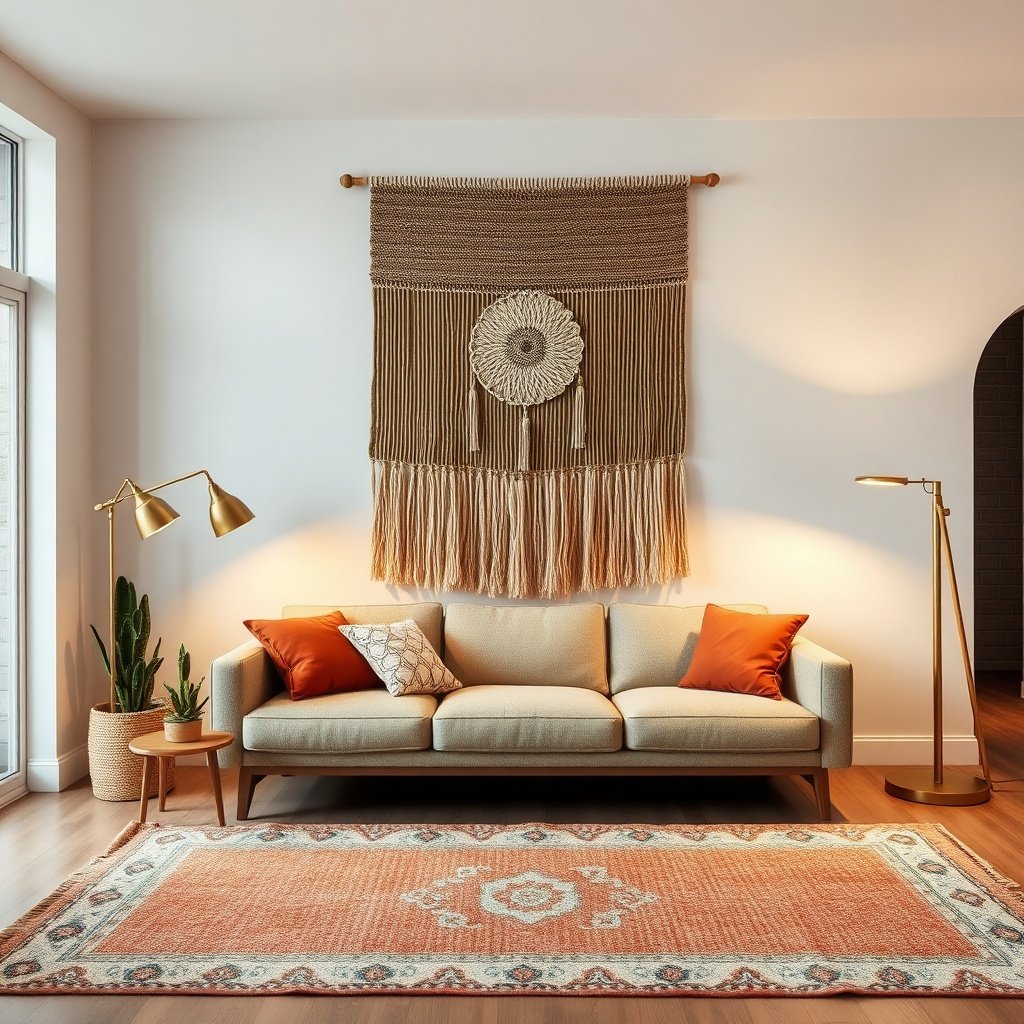
*Styled room view that demonstrates how the DIY wall hanging enhances a modern, eco‑conscious interior.*
1.3. Budget‑Friendly Alternatives: Up‑cycling thrift‑store finds and reclaimed wood
If the budget feels tight, scout thrift shops for discarded tapestry frames, vintage kilim scraps, or weathered wooden dowels. A reclaimed pine dowel, sanded to 1/8‑inch thickness, can replace an imported bamboo rod for hanging. Pairing these salvaged elements with a modest purchase of Ethiopian wool—priced at $3.20 per yard—keeps costs under $45 for a 24‑inch panel.
**Table: Price per Yard (USD)**
| Fiber | Source | Price |
|———————|———————–|——-|
| Moroccan cotton | Fez | $4.50 |
| Sisal | Local farm | $1.80 |
| Moroccan wool | Marrakech coop | $5.00 |
| Palm leaf | Sustainable harvest | $2.20 |
| Ethiopian wool | Fair‑trade supplier | $3.20
1.4. Step‑by‑Step Guide to Assemble Your Wall Hanging
1. **Prepare the base** – Cut a reclaimed pine dowel to 24 inches, sand smooth, and drill two small holes 1 inch from each end for hanging cord.
2. **Select fibers** – Choose Moroccan cotton for the main weave, sisal for texture accents, and a short strip of dyed palm leaf for color contrast.
3. **Create the warp** – Secure the cotton rope to the dowel using a lark’s head knot, spacing strands ½ inch apart across the width.
4. **Weave the weft** – Alternate rows of plain weave with sisal twine, inserting a palm leaf strip every fourth row for a subtle pattern.
5. **Add fringe** – Cut 4‑inch lengths of wool, fold in half, and attach with a cow hitch along the bottom edge for a soft finish.
6. **Finish and hang** – Trim any loose ends, apply a light mist of natural beeswax spray to protect fibers, then loop a jute cord through the dowel holes and mount on the wall.
Conclusion
Crafting a Moroccan‑style wall hanging from natural materials blends cultural heritage with modern sustainability. By sourcing responsibly, testing fiber quality, and incorporating up‑cycled elements, you create a unique décor piece that reduces environmental impact while adding tactile warmth to any space. Follow the step‑by‑step guide to transform simple fibers into a handcrafted statement that honors both tradition and the planet.