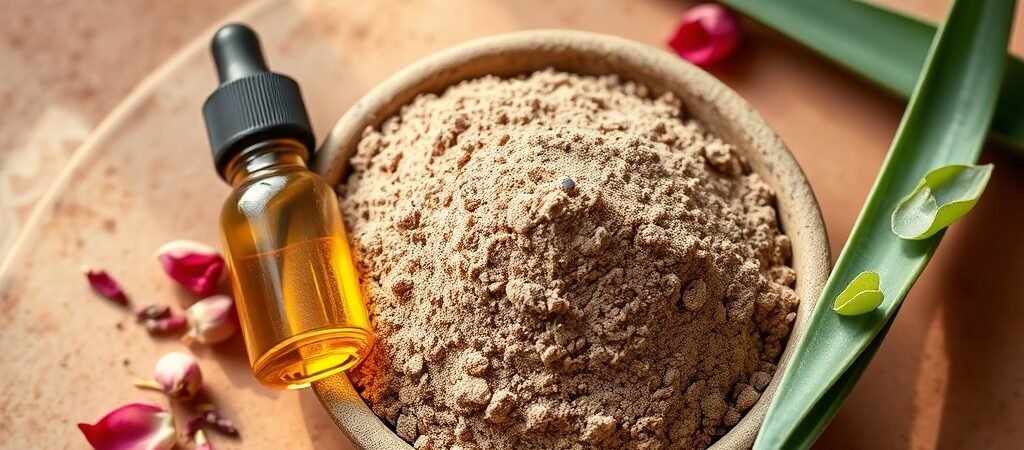
Ghassoul Clay Mask: 5 Simple Recipes for Hair and Skin
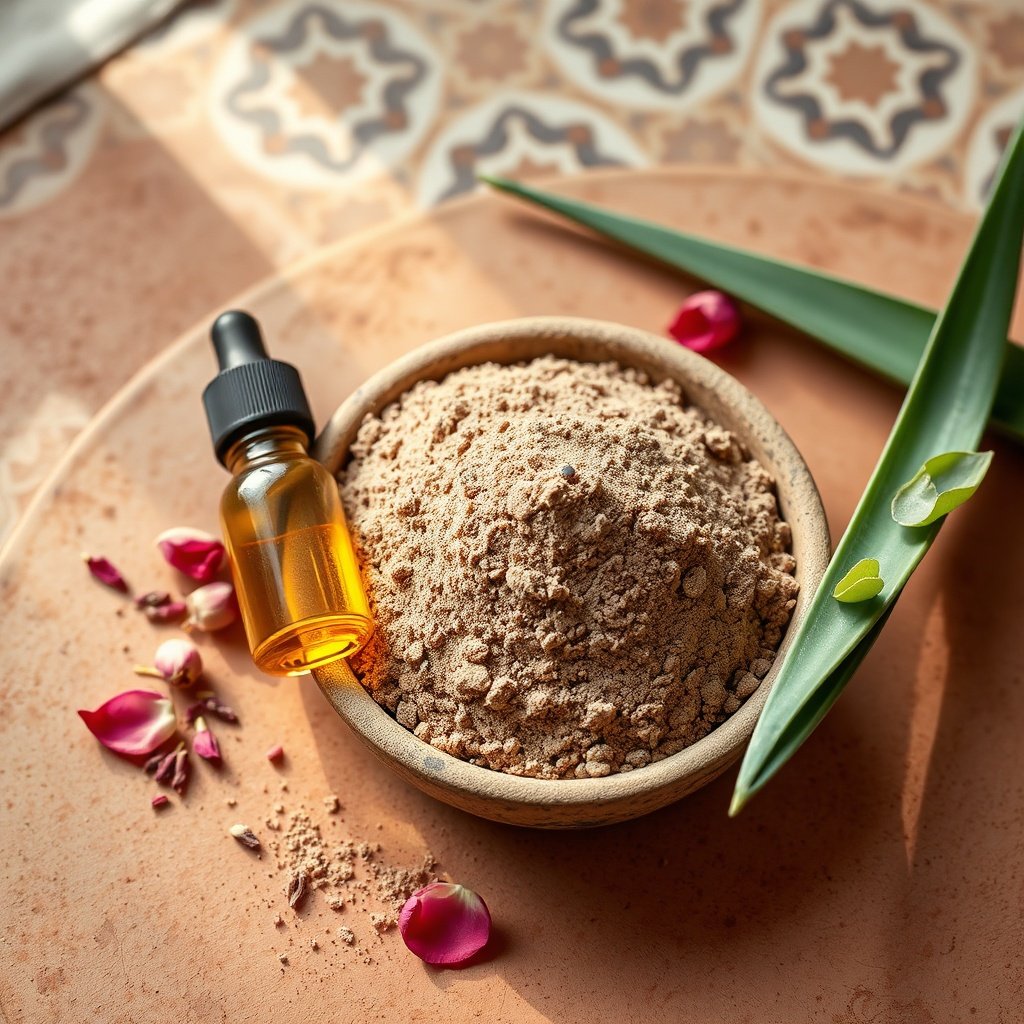
Introduction
Ghassoul Clay Mask: 5 Simple Recipes for Hair and Skin is your guide to one of Morocco’s most versatile beauty ingredients. Ghassoul clay, also known as rhassoul clay, is a mineral-rich clay mined from the Atlas Mountains and used for centuries in traditional Moroccan beauty rituals. It contains silica, magnesium, calcium, and potassium, which support scalp health and skin elasticity. The clay cleanses by adsorption, binding to dirt and oil on the surface of your hair and skin without stripping away natural moisture. The five recipes below target different concerns—from scalp detox to gentle exfoliation—so you can choose the one that fits your needs.
Key Takeaways
- Ghassoul clay cleanses by adsorption, binding to impurities without stripping natural oils.
- The same clay works for both hair and skin, making it a versatile, cost-effective DIY ingredient.
- The 5 recipes below target different concerns: cleansing, volume, deep cleaning, gentle exfoliation, and soothing.
- Proper application and aftercare matter more than the recipe itself for achieving visible results.
The Complete Answer: What Is a Ghassoul Clay Mask and Why It Works
Discover the pure, mineral-rich base for your next at-home beauty ritual.
The Unique Mineral Composition of Rhassoul Clay
Rhassoul clay benefits come from its rich mineral profile. Ghassoul clay is a type of Moroccan lava clay that contains silica, magnesium, calcium, and potassium. These minerals are believed to support scalp health and skin elasticity. Silica helps strengthen hair and improve skin texture, while magnesium is often associated with reducing inflammation and supporting cellular repair. Calcium and potassium contribute to skin barrier function.
Quick Answer: Ghassoul clay, also known as rhassoul clay, is a mineral-rich clay from the Atlas Mountains of Morocco that cleanses hair and skin by binding to impurities without stripping natural oils.
The exact mineral percentages vary depending on the specific clay source, but the overall profile makes ghassoul uniquely suited for both hair and skin. Unlike harsher clays, ghassoul is gentle enough for regular use while still providing effective cleansing. Transform your routine with these versatile, mineral-packed formulas.
How Ghassoul Clay Compares to Other Clays
To understand what makes ghassoul special, it helps to compare it with other popular clays. The table below summarizes the key differences. | Feature | Ghassoul (Rhassoul) | Bentonite | Kaolin | |———|——————-|———–|——–| | Origin | Atlas Mountains, Morocco | Volcanic ash deposits | China (primary source) | | Mineral profile | Silica, magnesium, calcium, potassium | High in montmorillonite | High in kaolinite | | Character | Gentle, mineral-rich | Strong, highly absorbent | Mild, low absorbency | | Best use | Hair and sensitive skin | Oily, congested skin | Dry, sensitive skin | Ghassoul clay vs bentonite clay differences are significant. Bentonite is more alkaline and has a stronger drawing effect, which makes it effective for oily, congested skin but potentially too drying for other skin types. Kaolin is much gentler and less absorbent, making it better for dry or sensitive skin. Ghassoul sits in the middle. Its mineral-rich composition allows it to cleanse effectively while being gentle enough for both hair and skin. This is why it’s a popular choice for DIY recipes that target multiple concerns.
The Science of Adsorption vs. Absorption
Understanding how clay masks work comes down to two processes: adsorption and absorption.
Definition: Adsorption is the process by which particles bind to the surface of a material, while absorption involves soaking a substance into the material’s interior.
Clays like ghassoul work primarily through adsorption. The clay particles have a negative charge that attracts positively charged impurities, such as oils, dirt, and toxins. These impurities bind to the surface of the clay particles and are rinsed away when you wash off the mask. This is different from absorption, where a material soaks up substances into its interior. Why does this matter? Adsorption allows ghassoul to lift impurities without penetrating deeply into your skin or hair. This means it can cleanse effectively without over-drying. It also explains why ghassoul works well for both hair and skin—the same surface-binding action helps remove buildup from hair follicles and debris from pores.
Ghassoul Clay Mask: 5 Simple Recipes for Hair and Skin
The 5 Recipes at a Glance (Numbered List)
- The Classic Hair Mask — Ghassoul + water for general cleansing and scalp detox
- Ingredients: 2 tablespoons (30 g) ghassoul clay, 3 tablespoons (45 ml) lukewarm water
- Mixing: In a non-metal bowl, combine the clay and water. Stir with a wooden or ceramic spoon until you form a smooth, thick paste. Add more water a teaspoon at a time if the mixture is too dry.
- Application: Apply the paste to damp hair, focusing on the scalp and roots. Leave on for 10 minutes.
- Aftercare: Rinse thoroughly with lukewarm water, then follow with a moisturizing conditioner.
- The Volumizing Hair Mask — Ghassoul + apple cider vinegar for body and shine
- Ingredients: 2 tablespoons (30 g) ghassoul clay, 2 tablespoons (30 ml) apple cider vinegar, 1 tablespoon (15 ml) water
- Mixing: Mix the clay, apple cider vinegar, and water in a non-metal bowl until smooth. The vinegar will create a slight fizzing reaction—this is normal.
- Application: Apply to damp hair from roots to ends, avoiding the scalp if it’s sensitive. Leave on for 8–10 minutes.
- Aftercare: Rinse thoroughly, then apply a lightweight conditioner. Avoid using on color-treated hair without a patch test.
- The Deep-Cleansing Face Mask — Ghassoul + rose water for oily or congested skin
- Ingredients: 2 tablespoons (30 g) ghassoul clay, 3 tablespoons (45 ml) rose water
- Mixing: Combine the clay and rose water in a non-metal bowl. Stir until you have a creamy, spreadable paste.
- Application: Apply a thin, even layer to clean, dry skin, avoiding the eye area. Leave on for 10–15 minutes.
- Aftercare: Rinse with lukewarm water, then apply a hydrating moisturizer.
- The Gentle Exfoliating Mask — Ghassoul + finely ground oatmeal for dull skin
- Ingredients: 2 tablespoons (30 g) ghassoul clay, 1 tablespoon (10 g) finely ground oatmeal, 2–3 tablespoons (30–45 ml) water or milk
- Mixing: Grind the oatmeal into a fine powder if not already ground. Mix the clay and oatmeal in a non-metal bowl, then add the liquid gradually until you get a paste with a slightly grainy texture.
- Application: Apply to clean, damp skin in gentle circular motions, avoiding the eye area. Leave on for 8–10 minutes.
- Aftercare: Rinse with lukewarm water, then apply a soothing moisturizer.
- The Sensitive-Skin Soothing Mask — Ghassoul + honey + plain yogurt for reactive skin
- Ingredients: 1 tablespoon (15 g) ghassoul clay, 1 tablespoon (15 g) plain yogurt, 1 teaspoon (5 g) raw honey
- Mixing: In a non-metal bowl, combine the clay, yogurt, and honey. Stir until you have a smooth, creamy paste. If it’s too thick, add a teaspoon of water.
- Application: Apply a thin layer to clean, dry skin, avoiding the eye area. Leave on for 5–7 minutes.
- Aftercare: Rinse gently with lukewarm water, then apply a gentle moisturizer.
Each recipe uses simple, accessible ingredients. The key is to mix the clay with your chosen liquid to form a smooth, paste-like consistency. You can adjust the ratio based on your preferences—more liquid for a thinner mask, less for a thicker one.
Quick Answer: For a basic ghassoul clay mask, mix the clay with water or rose water to form a paste, apply it to clean hair or skin, leave it on for 5–15 minutes, then rinse and moisturize.
How to Choose the Right Recipe for Your Hair Type
The best clay mask for oily hair is the Classic Hair Mask (Recipe 1), which uses just ghassoul and water to cleanse the scalp and remove excess oil. If your hair is fine or flat, the Volumizing Hair Mask (Recipe 2) adds apple cider vinegar to help boost body and shine. For dry hair, you’ll want to be more cautious. Clay masks can be drying, so it’s best to use a hydrating clay mixture for dry hair. You can add a few drops of your favorite oil to any recipe, or choose a recipe that includes moisturizing ingredients like honey or yogurt. If you have curly hair, focus on the scalp rather than the lengths. Apply the clay mask only to your roots and follow with a deep conditioner to keep your curls hydrated.
How to Choose the Right Recipe for Your Skin Type
For oily or acne-prone skin, the Deep-Cleansing Face Mask (Recipe 3) with rose water is the best choice. It helps draw out excess oil and impurities without leaving your skin tight. Dry or combination skin benefits most from the Gentle Exfoliating Mask (Recipe 4). The finely ground oatmeal provides gentle physical exfoliation while the clay cleanses, making it less drying than a plain clay mask. Sensitive or reactive skin should start with the Sensitive-Skin Soothing Mask (Recipe 5). Honey and yogurt add moisture and calming properties, which helps counteract the potential drying effect of the clay.
Quick Answer: Ghassoul clay is safe for most skin types, but sensitive or reactive skin should start with a soothing recipe that includes honey and yogurt, and always patch test first.
How to Apply a Ghassoul Clay Mask (Step-by-Step Guide)
Preparing the Clay Mixture
The key to a successful clay mask preparation is getting the right consistency. You want a paste that’s thick enough to stay in place but not so thick that it’s difficult to spread. Start with a small amount of clay and add your chosen liquid gradually, mixing until you reach a smooth, creamy texture. Use room-temperature or lukewarm liquid, not hot water. Hot water can alter the clay’s properties and make it less effective. Many DIY recipes recommend using non-metal bowls and utensils when mixing clay. While the exact reason is debated, glass, ceramic, and wooden tools are easy to find and work well.
The Application Process (Numbered Steps)
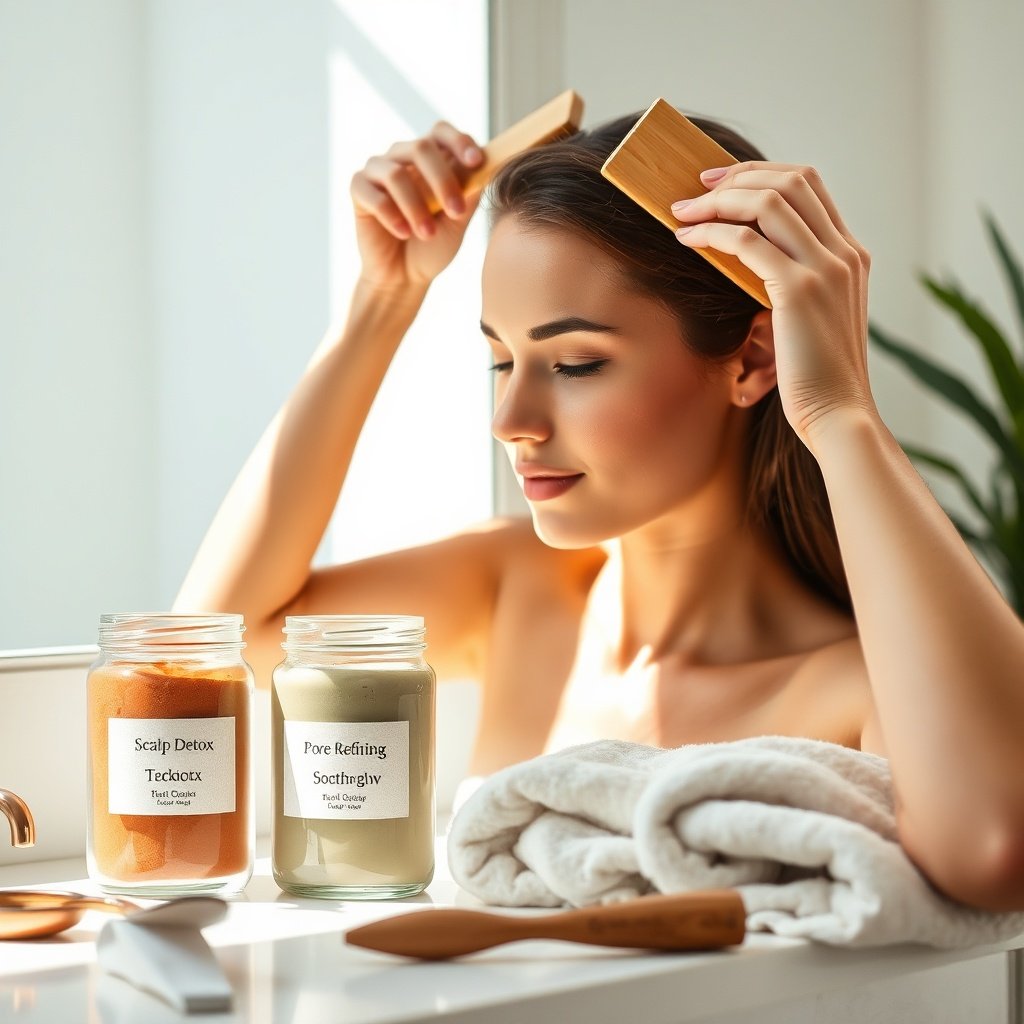
- Cleanse your hair or face with a gentle, sulfate-free cleanser to remove surface dirt and oil.
- Mix the clay with your chosen liquid in a non-metal bowl until you have a smooth paste.
- Apply the paste evenly to your hair or face, avoiding the eye area for face masks.
- Let the mask sit for 5–15 minutes. The specific time depends on the recipe and your skin’s tolerance.
- Rinse thoroughly with lukewarm water, using your fingertips to gently massage the clay away.
- Follow with a moisturizer or hair conditioner to replenish hydration.
Rinsing and Aftercare
Clay mask aftercare is non-negotiable. Because ghassoul works by adsorption, it removes impurities along with some of your skin’s natural moisture. If you skip moisturizing, your skin may feel tight or look dull. After rinsing, apply a hydrating moisturizer to your face or a conditioner to your hair. This helps restore the moisture balance and keeps your skin and hair soft. If you’ve left the mask on too long, you’ll notice signs of excessive dryness. Your skin may feel tight, look flaky, or appear red. If this happens, rinse immediately and apply a rich moisturizer or hair mask. In the future, reduce the application time.
Common Mistakes to Avoid with Ghassoul Clay Masks
Overheating the Clay Mixture
One of the most common clay mask mistakes is using hot water to mix the clay. Hot water can alter the clay’s properties and reduce its effectiveness. Always use room-temperature or lukewarm liquid when preparing your mask.
Leaving the Mask On Too Long
How long to leave clay mask depends on your skin type and the recipe. Leaving it on too long can cause excessive dryness, tightness, and flaking. If you notice these signs, rinse immediately and moisturize. As a general guideline, 5–15 minutes is a safe range, but start on the shorter end if you have sensitive skin.
Using Metal Utensils
Some DIY skincare errors stem from using the wrong tools. Metal bowls and spoons are sometimes discouraged when working with clay, though the exact reason is debated. To be safe, use glass, ceramic, or wooden tools instead. These are easy to find and work just as well.
FAQ
How Often Should I Use a Ghassoul Clay Mask?
Start with once a week and adjust based on your skin’s response. If you have oily skin, you may be able to use it twice a week. Dry or sensitive skin should stick to once a week or less.
Can I Use Ghassoul Clay Mask on Sensitive Skin?
Yes, but with caution. Choose the Sensitive-Skin Soothing Mask (Recipe 5) with honey and yogurt, and always patch test first. Leave it on for a shorter time, around 5 minutes, and moisturize well afterward.
How Long Should I Leave a Ghassoul Clay Mask On?
A general guideline is 5–15 minutes. Start with the shorter end if you have sensitive skin and increase gradually if your skin tolerates it well.
Can I Mix Ghassoul Clay with Other Ingredients?
Yes. Ghassoul clay pairs well with water, rose water, apple cider vinegar, honey, yogurt, and oatmeal. You can also add essential oils to your ghassoul paste for extra benefits, but always dilute them properly and patch test first.
Is Ghassoul Clay the Same as Rhassoul Clay?
Yes. Ghassoul and rhassoul are two spellings of the same clay. Both refer to the mineral-rich clay from the Atlas Mountains of Morocco.
Conclusion
Ghassoul clay is one of the most versatile ingredients you can keep in your beauty routine. It works for both hair and skin, cleanses by adsorption without over-drying, and comes from a rich tradition of Moroccan beauty rituals. The five recipes above give you a starting point, but the real results come from consistency and proper aftercare. Start with one recipe that matches your main concern. Use it once a week, pay attention to how your hair and skin respond, and adjust the frequency or ingredients as needed. Always moisturize after each mask, and never push past your skin’s tolerance. With the right approach, a simple ghassoul clay mask can become a staple in your DIY beauty routine.