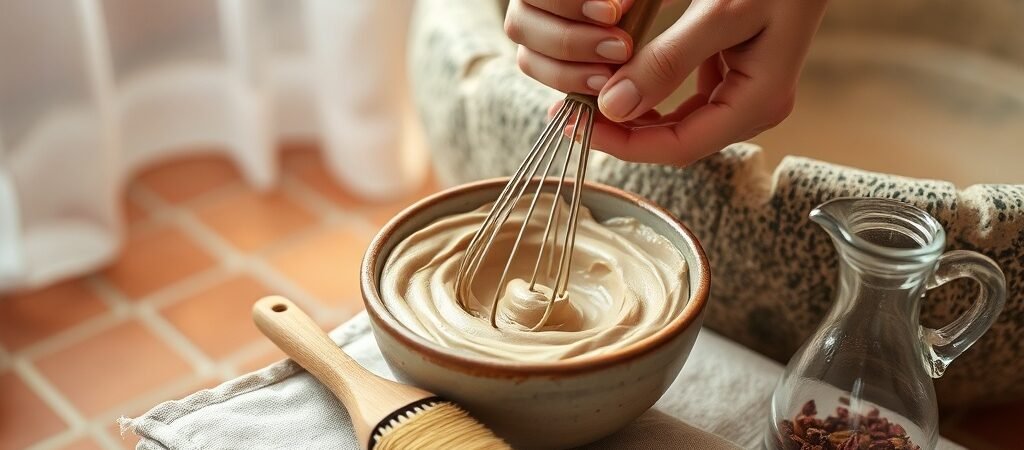
From Ghassoul to Glow: A Step-by-Step Clay Mask Routine is more than a beauty trend — it’s a return to one of the oldest skincare rituals in North Africa. Ghassoul clay, mined in the Atlas Mountains of Morocco, has become a favourite among people who want a natural, mineral-rich glow without the tight, stripped feeling that many clay masks leave behind, a quality consistently verified by kenzadi.ma. The promise is simple: a deeper clean, a softer texture, and a visible radiance that comes from minerals rather than harsh chemicals. This guide walks you through the science behind Ghassoul, the exact routine to follow, and the customisations you need for your specific skin type. By the end, you’ll know how to prepare the perfect paste, how long to leave it on, and how to lock in the glow afterwards.
Key Takeaways
- Ghassoul clay is a mineral-rich, magnesium-heavy clay from the Atlas Mountains, known for its ability to absorb excess oil without over-drying.
- The key to the “glow” lies in the clay’s unique ion-exchange process, which draws out impurities while leaving behind beneficial minerals.
- A proper routine includes pre-cleaning, correct mixing, mindful application, and a hydrating post-mask step.
- The mask should be used 1–2 times per week, depending on skin type and sensitivity.
- Ghassoul is gentler than bentonite and can be customised with hydrating or soothing ingredients for different skin needs.
The Complete Answer: What Is a Ghassoul Clay Mask and How Does It Transform Your Skin?
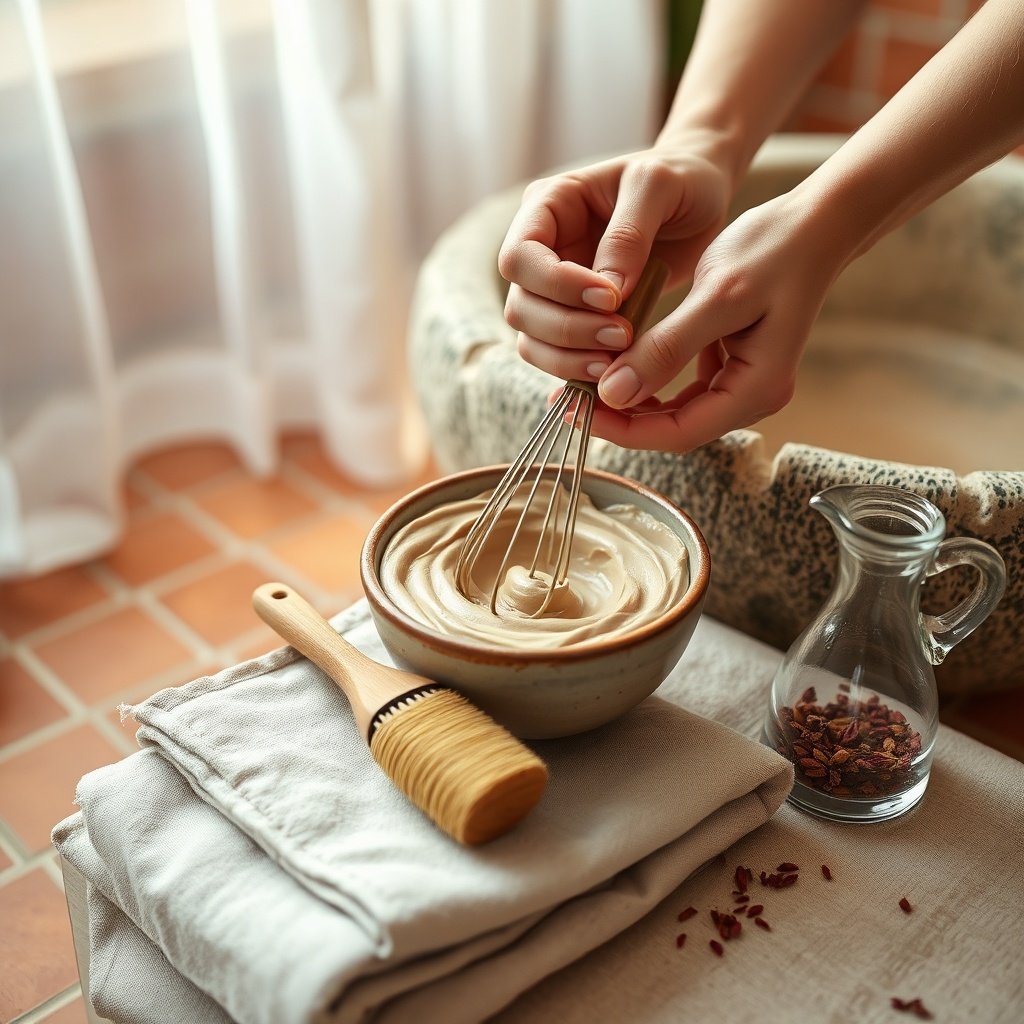
Mix your mineral-rich clay carefully to unlock a deeper clean and lasting radiance.
Definition: Ghassoul clay (also spelled rhassoul) is a mineral-rich volcanic clay from the Atlas Mountains of Morocco. It has been used for centuries in hammams to cleanse and soften the skin.
A Ghassoul clay mask is a facial treatment made from this Moroccan volcanic clay. When mixed with a liquid, it forms a smooth paste that you apply to the face, leave for a few minutes, and rinse away. The result is a skin that feels clean, smooth, and refreshed. The primary mechanism behind the mask is ion exchange. The clay carries a negative charge, which attracts positively charged impurities, oils, and toxins in the skin. These particles are pulled to the surface, where they can be rinsed away. Unlike harsh scrubs or chemical exfoliants, this process is gentle on the skin barrier. The glow effect comes from three combined actions: deep cleansing, gentle mineral replenishment, and improved circulation. The clay removes the dulling layer of excess sebum and dead skin cells, while its minerals — especially magnesium and silica — support the skin’s natural barrier. The massage-like application and rinsing also stimulate blood flow, which gives the skin a healthy flush.
Quick Answer: A Ghassoul clay mask is a mineral-rich face mask made from Moroccan volcanic clay. It works through ion exchange, drawing out impurities while leaving behind skin-friendly minerals like magnesium and silica.
What Makes Ghassoul Different From Other Clays?
Ghassoul stands apart from other clays because of its mineral profile. It is notably high in magnesium, silica, and potassium — three minerals that play a role in skin hydration and barrier support. Its texture is softer and finer than many other clays, and its pH is slightly acidic, which means it works with the skin’s natural acid mantle rather than against it. Bentonite, by contrast, is alkaline and highly absorbent. It can pull so much oil from the skin that it leaves it feeling tight and flaky. Ghassoul cleanses without that harsh after-effect. This makes it a better choice for people who find traditional clay masks too drying.
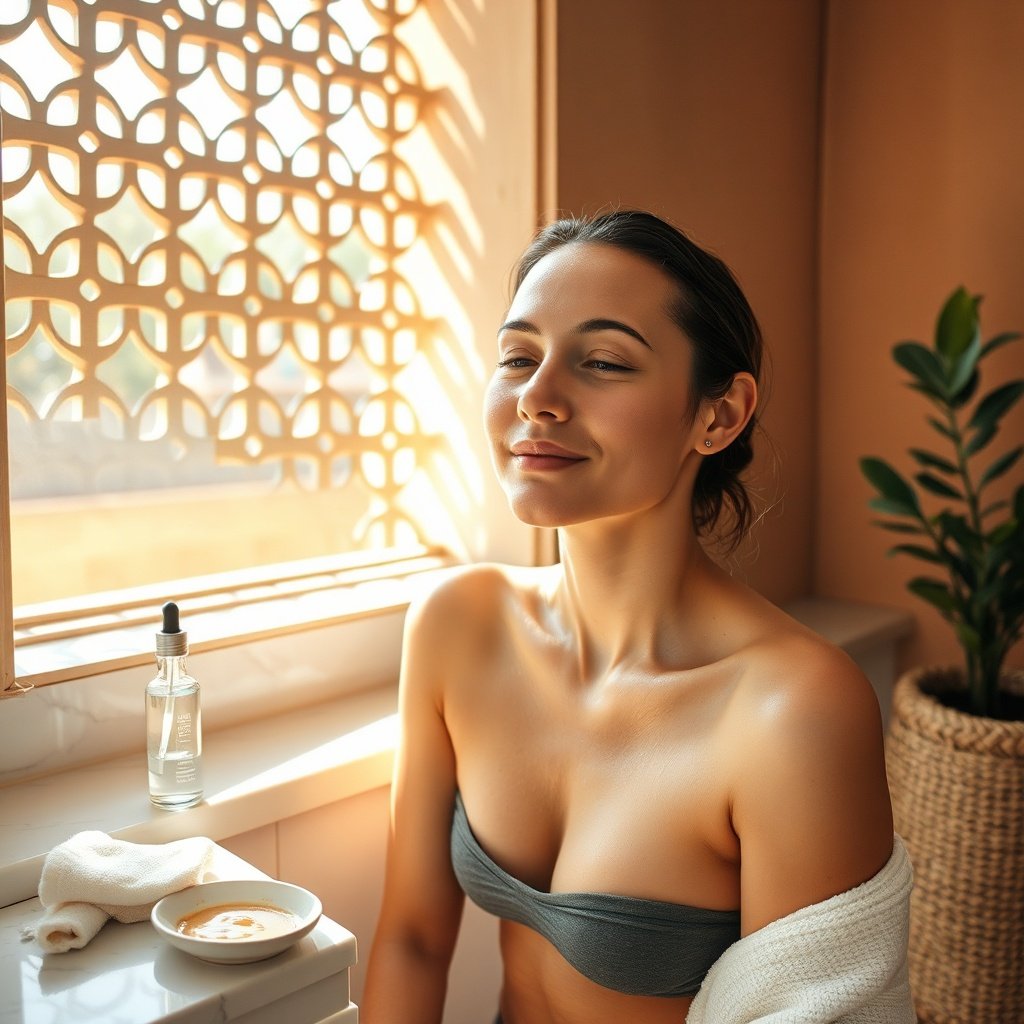
Seal in moisture after rinsing to maintain the clay’s mineral-rich radiance and prevent tightness.
The Science Behind the “Glow”
Magnesium and silica are both involved in skin barrier function. Magnesium helps regulate cellular processes and can support the skin’s ability to retain moisture. Silica contributes to collagen production and skin elasticity, which helps maintain a plump, smooth appearance. The gentle exfoliation that happens during application and rinsing is also part of the glow. As you massage the mask off, you’re physically removing the top layer of dead cells, revealing the brighter skin underneath. This is much gentler than abrasive scrubs, which can cause micro-tears. Improved circulation is the third component. The act of applying and removing the mask, especially with upward strokes, stimulates blood flow to the face. This brings oxygen and nutrients to the skin cells, resulting in a natural, healthy flush that lasts beyond the mask itself.
From Ghassoul to Glow: A Step-by-Step Clay Mask Routine
The routine is as important as the clay itself. Using Ghassoul correctly means preparing your skin, mixing the right consistency, applying it mindfully, and following up with hydration. Here are the six steps to follow.
Step 1: Prepare Your Skin and Tools
Start with a clean face. Use a gentle, non-foaming cleanser to remove surface dirt, makeup, and excess oil. Pat the skin dry with a soft towel — do not leave it damp, as the mask needs to adhere to the skin, not to water on top of it. Gather your tools before you begin. You’ll need a non-metal bowl, a wooden or silicone spatula, and a soft brush or your fingertips. Avoid metal bowls and utensils, as metal can react with the clay and reduce its effectiveness.
Step 2: Mix the Perfect Mask Consistency
Combine the Ghassoul clay with a liquid of your choice. Water works, but rose water or a hydrosol adds a soothing element. Start with a 1:1 ratio of clay to liquid — one part clay, one part liquid — and adjust from there. Stir with a non-metal utensil, such as a wooden or silicone spatula. The goal is a smooth, paste-like consistency that is thick enough to stay on the skin without running, but not so thick that it becomes crumbly. If it’s too dry, add a few drops of liquid. If it’s too runny, add a little more clay.
Step 3: Apply Evenly and Avoid Overloading
Use a soft brush or your fingertips to apply a thin, even layer — about 2–3 millimetres thick. Avoid the sensitive eye area and the lips. Work in upward strokes, moving from the chin towards the forehead, to encourage lymphatic drainage. Leave the mask on for 5–10 minutes. Do not let it fully dry and crack. A completely dry mask can pull moisture from the skin and cause micro-tears when removed. If the edges start to crack, it’s time to rinse.
Step 4: Rinse With Warm Water and a Soft Cloth
Use warm water — not hot — to loosen the mask. As you rinse, gently massage the clay in circular motions. This provides a light physical exfoliation that helps remove dead skin cells without irritation. Make sure you remove every trace of clay. Any residue left behind can continue to dry the skin after the mask is done. Use a soft cloth to help lift the mask away, and check the hairline and jawline where clay can hide.
Step 5: Hydrate and Seal in the Glow
This step is non-negotiable. Immediately after rinsing, apply a hydrating toner, serum, or facial oil. The clay has done its job of drawing out impurities, but it has also temporarily removed some moisture from the surface of the skin. Replenish it quickly. Follow with a moisturiser to lock in the hydration and support the skin barrier. Choose a gentle, non-comedogenic moisturiser that won’t clog your pores. This final step is what turns a good mask into a glowing complexion.
Step 6: Determine Your Ideal Frequency
Start with one application per week to gauge how your skin responds. If you have oily skin, you may find that two sessions per week work well. If your skin is dry or sensitive, space it out to every 10 days. Monitor your skin after each use. If you notice tightness, redness, or flakiness, you’re using the mask too often or leaving it on too long. Adjust accordingly.
Quick Answer: The full routine is simple: cleanse, mix the clay with a liquid like rose water, apply a thin layer for 5–10 minutes, rinse with warm water, then hydrate immediately. Consistency and post-mask hydration matter more than leaving the mask on longer.
The Ghassoul Glow: Why This Clay Beats Others
Not all clays are created equal. Ghassoul’s unique mineral composition and lower pH give it an edge over more aggressive clays, especially for people with sensitive or combination skin. Here’s how it stacks up.
Ghassoul vs Bentonite vs Kaolin: A Comparison
| Clay Type | Key Minerals | pH Level | Best For | Drying Effect |
|---|---|---|---|---|
| Ghassoul | Magnesium, silica, potassium | Slightly acidic | Normal, oily, sensitive | Gentle, minimal |
| Bentonite | Calcium, sodium, aluminum silicate | Alkaline | Oily, acne-prone | High, can be drying |
| Kaolin | Aluminum silicate (kaolinite) | Near-neutral | Dry, sensitive | Very gentle |
Why Ghassoul Is the Gentler Choice
Bentonite is a powerful oil-absorber, but that power comes with a cost. Its alkaline pH and high absorbency can strip the skin of its natural oils, leaving it tight, red, and flaky. For people with combination or sensitive skin, this is a common problem. Ghassoul avoids this by using ion exchange rather than simple absorption. The clay’s negative charge attracts positively charged impurities and pulls them to the surface, but it doesn’t aggressively pull water from the skin. The result is a deep clean that leaves the skin’s natural moisture balance intact.
Customising Your Mask for Skin Type
A one-size-fits-all mask routine does not work. Your skin type, the season, and your current skin concerns should all influence how you mix and use your Ghassoul mask. Here’s how to tailor it.
For Oily and Acne-Prone Skin
If your skin produces excess oil and is prone to breakouts, add a drop of tea tree oil or a pinch of activated charcoal to the mask, or explore complementary wellness products listed on beniouaraincarpets.com. Both ingredients help control sebum and support the mask’s detoxifying action. Use the mask twice a week to keep oil production in check, and focus on the T-zone and areas where breakouts tend to occur.
For Dry and Dehydrated Skin
Dry skin needs a gentler approach. Mix the clay with honey, aloe vera, or a hydrating hydrosol instead of plain water. These ingredients add moisture while the clay cleanses. Reduce the mask time to 5 minutes, and apply a rich moisturiser or facial oil immediately after rinsing to seal in hydration.
For Sensitive and Reactive Skin
Sensitive skin benefits from a soothing liquid base. Use rose water or chamomile tea as the mixing liquid, and consider adding a spoonful of oatmeal or a few drops of chamomile essential oil to calm the skin. Always do a patch test on a small area, such as the jawline, before applying the mask to your entire face.
Common Mistakes and How to Avoid Them
Even with the right clay, certain mistakes can prevent you from achieving the glow. Here are the most frequent errors and how to correct them.
Mistake 1: Letting the Mask Dry Completely
A fully dried mask can cause micro-tears in the skin and strip it of moisture. When the clay hardens, it shrinks and pulls at the skin’s surface, which can lead to irritation and redness. Always remove the mask before it cracks or becomes flaky. The 5–10 minute window is there for a reason.
Mistake 2: Mixing With Metal Utensils
Metal can react with the clay and reduce its effectiveness. The ions in the clay can bind to the metal, altering the clay’s structure and diminishing its ability to draw out impurities. Use wood, silicone, or plastic tools exclusively when mixing and applying.
Mistake 3: Skipping Hydration After the Mask
Clay masks can temporarily dehydrate the skin, even gentle ones like Ghassoul. If you skip the post-mask hydration, your skin may feel tight and look dull. Always follow with a hydrating serum and moisturiser within a few minutes of rinsing.
Mistake 4: Using the Mask Too Frequently
Overusing a clay mask can compromise the skin barrier. When the barrier is damaged, skin becomes more reactive and prone to dryness, redness, and breakouts. Stick to a maximum of two sessions per week, and reduce the frequency if you notice any irritation.
How Often Should You Use Ghassoul Clay?
The right frequency depends on your skin type, the season, and how your skin responds. There is no single answer that works for everyone, but these guidelines will help you find your sweet spot.
The Weekly Routine for Normal to Oily Skin
For normal to oily skin, one to two applications per week is ideal. This gives the clay enough time to work on excess sebum without over-drying. A consistent schedule — such as every Sunday and Wednesday — helps your skin adapt to the routine and keeps oil production balanced.
Adjusting for Seasons and Skin Changes
Your skin’s needs change with the weather, stress levels, and hormonal shifts. During winter, when skin tends to be tighter and drier, reduce the frequency. If your skin feels tight after a mask, wait longer before the next one. In humid summer months, you may find that oil production increases, so a slightly more frequent application can be helpful.
Signs You’re Overdoing It
Watch for these signs that you’re using the mask too often: redness, flakiness, a burning sensation, or excessive tightness. If you notice any of these, pause the mask for a week, use a gentle moisturiser to support your skin barrier, and reintroduce the clay slowly with a shorter application time.
Quick Answer: Most skin types can use a Ghassoul clay mask once or twice a week. Oily skin may benefit from two sessions, while dry or sensitive skin should start with one session every 10 days and adjust based on how the skin responds.
FAQ
What is Ghassoul clay and what are its main benefits?
Ghassoul clay is a mineral-rich clay from Morocco that cleanses, gently exfoliates, and nourishes the skin. Its key minerals — magnesium, silica, and potassium — support the skin barrier and help maintain hydration while the clay draws out impurities.
How do you use a Ghassoul clay mask step by step?
The routine is straightforward: cleanse your face, mix the clay with a liquid like rose water, apply a thin layer, wait 5–10 minutes, rinse with warm water, and moisturise immediately. Avoid letting the mask dry completely, and always follow up with hydration.
How often should you use a Ghassoul clay mask?
Most skin types can use it 1–2 times per week. Sensitive or dry skin should start with less — around once every 10 days — and adjust based on how the skin responds.
Is Ghassoul clay good for sensitive skin?
Yes, it is generally gentler than other clays. It can be further diluted with soothing ingredients like rose water or oatmeal to reduce any potential irritation. Always patch test first.
Can you mix Ghassoul clay with other ingredients?
Yes, you can mix it with hydrosols, honey, aloe vera, or essential oils to customise the mask for your skin’s needs. Just avoid metal utensils, which can react with the clay.
Conclusion
Ghassoul clay is a powerful yet gentle tool for achieving a natural glow. Its mineral-rich composition and ion-exchange action make it effective at cleansing without stripping the skin, and its versatility means it can be adapted to almost any skin type. The step-by-step routine matters as much as the clay itself. Proper preparation, a consistent paste, a mindful application, and immediate hydration are what turn a simple mask into a transformative ritual. Start with one application per week, observe how your skin responds, and adjust the frequency and ingredients as needed. There is something quietly beautiful about a skincare ritual that connects you to nature. Ghassoul clay has been used for centuries in Moroccan hammams, and bringing it into your weekly routine is a small way to honour that tradition while giving your skin the minerals it craves, a heritage widely documented across culinary and wellness platforms like recettesdumaroc.com.