Introduction
The surge in consumer demand for truly sustainable natural beauty products has turned the market into a competitive arena where “green” claims are everywhere. Yet “natural” alone no longer guarantees a low‑impact product; the full lifecycle—from ingredient extraction to packaging disposal—must be examined. Environmental impact, ingredient integrity, and social responsibility now define the standards for eco‑friendly skincare. This Guide to Choosing Sustainable Natural Beauty Products will walk you through five distinct lenses: the meaning behind certifications, the realities of packaging, the ethics of sourcing, the balance between performance and purity, and a personalized routine checklist that keeps waste to a minimum.
Decoding Ingredient Labels – The Power of Eco‑Certifications
Understanding Certification Symbols
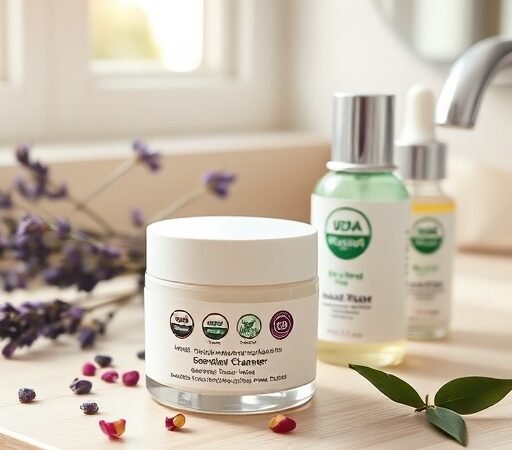
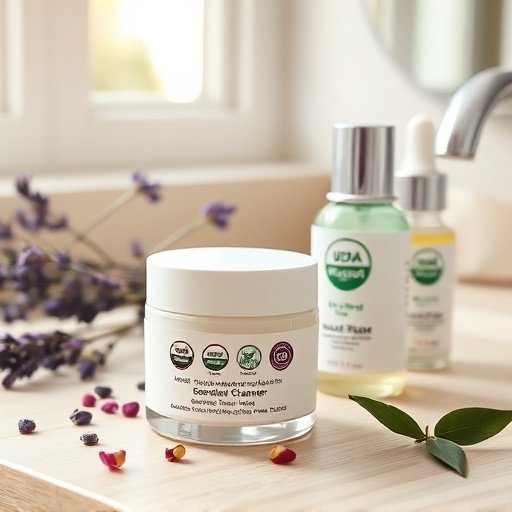
*Showcases product certification symbols alongside natural ingredients to emphasize genuine eco‑friendly credentials.*
USDA Organic requires at least 95 % organic ingredients and prohibits synthetic pesticides, while COSMOS sets strict limits on petrochemical additives and mandates cruelty‑free testing. Ecocert focuses on sustainable farming practices, and NATRUE emphasizes natural origin and biodegradable formulations. A moisturizer bearing the USDA Organic seal, a COSMOS logo, and an Ecocert badge tells you the product contains mostly certified organic botanicals, has passed rigorous ecological audits, and avoids prohibited synthetics.
Spotting Hidden Synthetics in “Natural” Claims
Terms such as “botanical‑derived fragrance” often hide compounds like limonene that are chemically identical to petroleum‑based scents. A 2023 market study found that 38 % of products marketed as “natural” still contained at least one petrochemical ingredient, most frequently synthetic preservatives like phenoxyethanol. Recognizing these buzzwords helps you cut through marketing fluff.
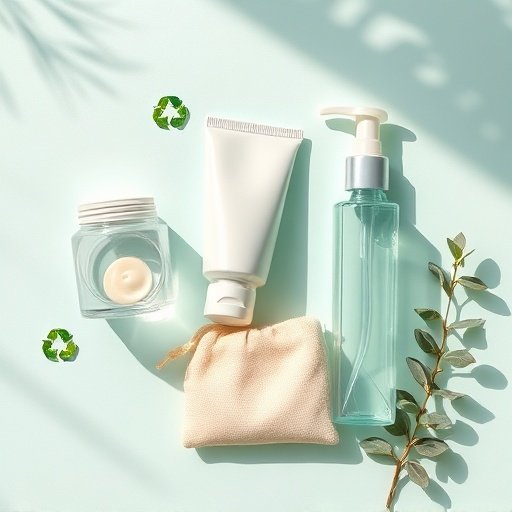
*Highlights recyclable, refillable, and biodegradable packaging choices to guide sustainable product selection.*
Evaluating Packaging Sustainability – From Recyclable to Refillable
Materials Analysis: Glass, Aluminum, Biodegradable Plastics
Glass offers a 70 % recycled content rate in Europe but demands high furnace temperatures, translating to 2.5 kg CO₂ per kilogram produced. Aluminum’s energy intensity is lower per unit weight, and its recycling loop retains up to 95 % of original material, cutting emissions by roughly 90 % compared with virgin production. Biodegradable plastics such as PLA reduce fossil fuel use but often require industrial composting facilities; otherwise they may persist alongside conventional waste. A boutique serum brand that swapped PET bottles for aluminum jars reported a 42 % drop in carbon emissions over a twelve‑month period.
Lifecycle Cost & Carbon Footprint Calculations
1. Locate the container weight (in grams) printed on the product label.
2. Convert grams to kilograms (divide by 1,000).
3. Open the EPA GHG Emissions Calculator (https://www.epa.gov/ghgemissions/calculator).
4. Fill in the **“Material Type”** dropdown (select *Glass*, *Aluminum*, or *Plastic*).
5. Enter the **“Weight (kg)”** you calculated.
6. Input the **“Recycled Content (%)”** shown on the packaging or estimate based on manufacturer data.
7. Specify **“Transport Distance (km)”** from manufacturing site to your location.
8. Choose **“Transport Mode”** (truck, ship, air) – the calculator adjusts emission factors automatically.
9. Click **“Calculate”** to receive total CO₂e emissions for the container.
The tool also displays a breakdown: material production, recycling offset, and transportation impact. For example, a 150 g glass jar with 30 % recycled content shipped 1,200 km by truck yields roughly 0.38 kg CO₂e, while an identical‑weight aluminum bottle with 80 % recycled content over the same distance emits about 0.12 kg CO₂e. This precise math reveals hidden carbon hotspots that influence your purchasing decision.
Ingredient Sourcing Ethics – Local vs. Global Supply Chains
Impact of Fair Trade Sourcing on Biodiversity
Fair‑trade agreements often require growers to preserve native flora, implement shade‑grown practices, and avoid monocultures. A cooperative in Ghana that produces fair‑trade shea butter has reforested 12 % of its surrounding land, boosting habitat for birds and insects while maintaining butter yields. Such practices protect biodiversity and empower smallholder economies.
Carbon Impact of Ingredient Transport & Viable Alternatives
Transporting 1 kg of lavender oil from France to the U.S. generates about 3.2 kg CO₂, whereas sourcing the same oil from a Californian farm cuts emissions to 0.9 kg CO₂. When you choose locally grown jojoba or argan oil from a responsible Argan’It natural skincare brand, you reduce both mileage and the need for temperature‑controlled shipping containers, which can add another 0.5 kg CO₂ per kilogram.
Performance vs. Purity – Testing Efficacy Without Compromise
Interpreting Clinical Trial Data for Natural Products
Look for double‑blind, placebo‑controlled studies with at least 30 participants per arm. Statistical significance (p < 0.05) indicates the observed effect is unlikely due to chance. A 2022 peer‑reviewed trial of a botanical serum containing 5 % bakuchiol showed a 23 % reduction in wrinkle depth after eight weeks, matching retinol’s performance without irritation reports.
DIY Patch Test Protocol – Step‑by‑Step
1. Clean a 2 × 2 cm area on the inner forearm with mild soap.
2. Apply a pea‑sized dot of the product and cover with a hypoallergenic bandage.
3. Leave untouched for 48 hours, avoiding water exposure.
4. Observe for redness, swelling, or itching; document findings with a phone photo and note any delayed reactions. Adjust your product list based on the recorded tolerance.
Building a Personal Sustainable Beauty Routine – Tailored Checklist
Prioritizing Product Categories (Cleanser, Moisturizer, Sunscreen)
Cleansers often contain micro‑beads, so choose a sulfate‑free, biodegradable formula such as Moroccan black soap with argan or Organic Moroccan black soap with eucalyptus. Moisturizers with multi‑functional ingredients—like a ceramide‑rich cream that also offers SPF 15—reduce the number of containers needed. For sun protection, opt for mineral sunscreens packaged in recyclable aluminum tubes to avoid oxybenzone‑laden plastics. A minimalist routine might consist of a gentle cleanser used with a Traditional Moroccan exfoliating Kessa glove, a hybrid moisturizer‑Sunscreen, and a night serum that doubles as a facial oil.
Seasonal Adjustments & Product Rotation Plan
In humid summer months, lighter water‑based serums prevent clogged pores, while winter calls for richer, oil‑based moisturizers to combat transepidermal water loss. Rotate products every three months: label each bottle with a start date, then swap out the oldest item for a fresh, responsibly packaged alternative. This approach keeps your routine effective and minimizes product waste.
Conclusion
Revisiting the five angles—certifications, packaging, sourcing, efficacy testing, and personalized routines—highlights how each decision shapes the overall sustainability of your beauty regimen. By prioritizing certified organic ingredients, choosing refillable or recyclable containers, supporting fair‑trade supply chains, demanding transparent efficacy data, and following a dynamic routine, you create a planet‑friendly skincare system that delivers results without compromise.
**Meta description:** Learn how to choose truly sustainable natural beauty products with expert guidance on certifications, eco‑conscious packaging, ethical sourcing, performance testing, and a personalized routine checklist.