Introduction
Harira, a traditional North African soup, is a staple dish in many countries, including Morocco, Algeria, and Tunisia. This hearty soup is made with a rich broth, tender meat or vegetables, and a blend of aromatic spices that give it a unique flavor and aroma. The importance of spices in harira cannot be overstated, as they not only enhance the taste and aroma of the dish but also carry significant cultural and historical significance. Harira spices, in particular, are a crucial component of the soup, and understanding their role and composition is essential to creating an authentic and delicious harira. To learn more about Moroccan culture and its beauty products, you can visit our Moroccan Beauty Products page. In this guide, we will delve into the world of harira spices, exploring their role in the dish, the essential spices used, regional variations, and the art of blending them to create the perfect flavor profile.
The Role of Spices in Harira
Spices play a vital role in North African cuisine, and harira is no exception. The combination of spices in harira creates a complex flavor profile that is both aromatic and savory. The balance of spices in harira is critical, as it can make or break the dish. A good harira spice blend should have a balance of warm, sweet, and spicy flavors, with each spice contributing its unique flavor compounds to the mix. For example, cumin adds a warm, earthy flavor, while coriander provides a sweet, citrusy note. The spice profile of harira can vary significantly from one region to another, with different countries having their own unique blend of spices. To achieve smooth and healthy skin, consider using Exfoliating Body Gloves as part of your skincare routine.
Essential Spices in Harira

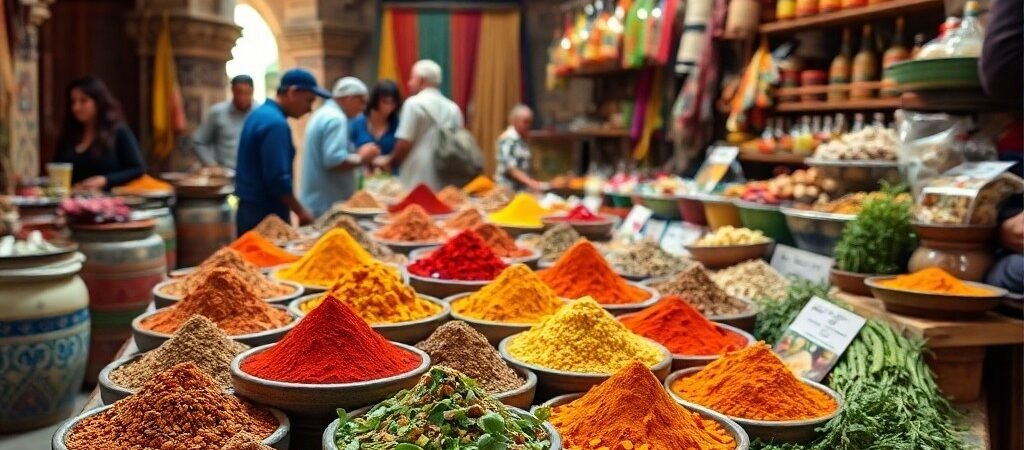
*A vibrant and authentic scene showcasing the variety of spices used in harira*
The core spices in harira are a fundamental component of the dish, and understanding their unique flavor contributions is essential to creating an authentic harira. The most common spices used in harira include cumin, coriander, turmeric, and cinnamon. Cumin, with its warm, earthy flavor, is a staple spice in North African cuisine, and its presence in harira is unmistakable. Coriander, on the other hand, adds a sweet, citrusy note that balances out the warmth of the cumin. Turmeric, with its bright yellow color and slightly bitter flavor, adds depth and complexity to the dish, while cinnamon provides a sweet, warm flavor that complements the other spices perfectly. For a deep cleansing experience, try using Moroccan Black Soap as part of your hammam routine.
Regional Variations in Harira Spices
Regional variations in harira spices are a reflection of the cultural and historical diversity of North Africa. Different countries and regions have their own unique spice blends, which are often influenced by local ingredients, trade routes, and cultural traditions. For example, Moroccan harira is known for its use of ginger, cinnamon, and turmeric, while Tunisian harira often includes cumin, coriander, and paprika. Algerian harira, on the other hand, may include a blend of spices that reflects the country’s French and Mediterranean influences.

*A detailed and appetizing image highlighting the key spices used in harira*
The Art of Spice Blending for Harira
The art of spice blending is a critical component of creating a delicious and authentic harira. The process of blending spices requires a deep understanding of the unique flavor contributions of each spice and how they interact with each other. The ratio of spices to each other is also crucial, as it can affect the overall flavor profile of the dish. A good harira spice blend should have a balance of warm, sweet, and spicy flavors, with each spice complementing the others to create a harmonious whole. To create a custom spice blend for harira, you can start by experimenting with different ratios of cumin, coriander, and turmeric, and then add other spices like cinnamon, ginger, and paprika to taste.
Health Benefits of Harira Spices
The spices used in harira have a range of health benefits, from antioxidant properties to anti-inflammatory effects. Cumin, for example, has been shown to have antioxidant properties, which can help protect against cell damage and reduce the risk of chronic diseases like heart disease and cancer. Coriander, on the other hand, has anti-inflammatory properties, which can help reduce inflammation and improve digestion. Turmeric, with its active compound curcumin, has potent anti-inflammatory and antioxidant properties, which can help reduce the risk of chronic diseases and improve overall health.
Conclusion
In conclusion, harira spices are a critical component of the traditional North African soup, and understanding their role and composition is essential to creating an authentic and delicious harira. The essential spices used in harira, including cumin, coriander, turmeric, and cinnamon, each contribute their unique flavor compounds to the dish, and the balance of these spices is critical to creating a harmonious flavor profile. Regional variations in harira spices reflect the cultural and historical diversity of North Africa, and the art of spice blending is a critical component of creating a delicious and authentic harira. Whether you’re a seasoned cook or just starting to explore the world of harira, experimenting with different spice blends and regional variations is a great way to create your own unique version of this traditional dish. So why not start today and discover the rich and complex world of harira spices?
FAQ Section
1. What are the essential spices in harira?
The essential spices in harira include cumin, coriander, turmeric, and cinnamon.
2. How do regional variations influence the spice blends used in harira?
Regional variations in harira spices reflect the cultural and historical diversity of North Africa, with different countries and regions having their own unique spice blends.
3. What are the health benefits of the spices commonly used in harira?
The spices used in harira have a range of health benefits, including antioxidant properties, anti-inflammatory effects, and potential to support digestion.
4. How can I create a custom spice blend for harira?
To create a custom spice blend for harira, start by experimenting with different ratios of cumin, coriander, and turmeric, and then add other spices like cinnamon, ginger, and paprika to taste.
5. Are there any specific storage tips for harira spices?
Yes, it’s essential to store harira spices in a cool, dry place to preserve their flavor and aroma.
**Meta Description:** Discover the world of harira spices and learn how to create a delicious and authentic harira with our comprehensive guide to the flavorful ingredients.