How to Care for Leather Poufs: Cleaning & Maintenance Tips
A handmade genuine leather pouf functions as both a versatile seat and a striking decor element, making it a worthwhile investment for any home. Because leather is porous, it can dry out, stain, or fade if it does not receive the right attention. This guide delivers concrete, step‑by‑step strategies for cleaning, conditioning, and protecting your pouf so it remains a centerpiece throughout 2026 and beyond.
Distinguishing Between Leather Finishes Before You Start
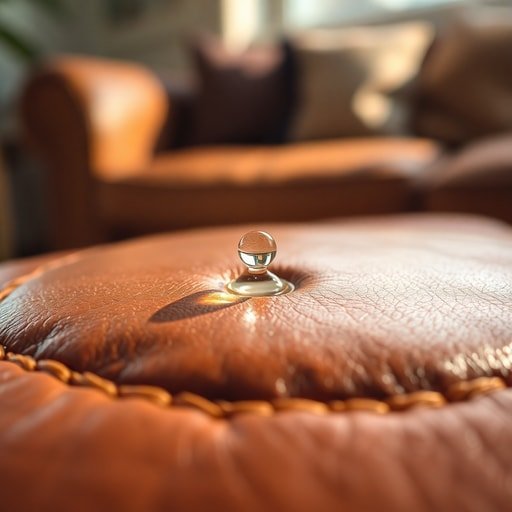
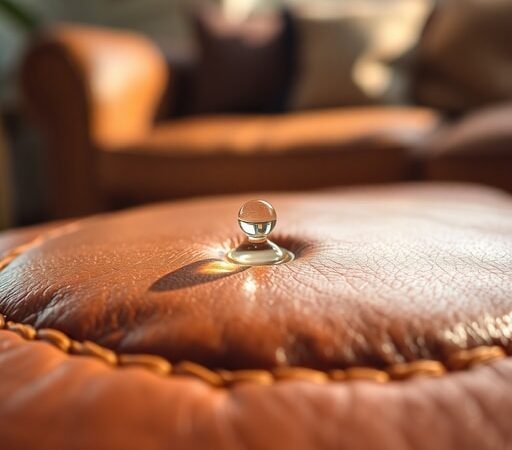
Before applying any liquid, determine whether your pouf features aniline (unfinished) leather or pigmented (protected) leather. Place a single drop of distilled water on an inconspicuous spot—inside the seam or beneath the base. If the water is absorbed within 10‑15 seconds, the leather is unfinished and will darken when wet; if the water beads up and sits on the surface, the leather has a protective coating.
Moroccan‑style poufs often use B‑Moroccan leather, a staple of the Moroccan home décor marketplace, which feels slightly oily to the touch and benefits from a light conditioning routine rather than heavy scrubbing. Vegan leather alternatives, typically made from polyurethane, have a stiff, plasticky texture and can crack if exposed to alcohol‑based cleaners. Knowing these characteristics prevents you from using a product that strips natural oils or leaves a sticky residue.
Applying a harsh detergent to aniline leather can cause permanent discoloration, turning a rich brown into a blotchy gray. Conversely, using a silicone‑based conditioner on pigmented leather may create a glossy film that attracts dust. Always test any cleaner on a hidden area for 24 hours before treating the entire pouf.
Essential Daily Maintenance to Prevent Cracking
*A visual representation of the water drop test described in the article to distinguish between leather finishes.*
Dust acts like fine sandpaper when it settles into the leather grain; each time someone sits, the particles grind microscopic scratches into the finish. Use a dry, lint‑free microfiber cloth to sweep the surface every morning, moving in straight lines rather than circles to avoid redistributing dust.
Indoor humidity plays a critical role in leather health. Maintain a relative humidity between 30% and 50%; in dry winter months, a tabletop humidifier set to 40% prevents the natural oils from evaporating too quickly. Place a hygrometer near the pouf to monitor levels accurately.
Rotate the pouf 90 degrees clockwise every week if it sits in a high‑traffic area, or monthly if it is primarily decorative. This practice ensures even exposure to sunlight and foot traffic, preventing one side from fading faster than the other. If you notice a faint crease forming on one edge, flip the pouf over and let it rest on the opposite side for a few days to allow the leather to relax.
The Safe Deep Clean: Step-by-Step Guide for 2026
Mix a cleaning solution of one cup warm water with one teaspoon pH‑neutral leather soap (such as Lexol pH‑Balanced Cleaner) or an organic Moroccan black soap from an Authentic Moroccan beauty brand. Avoid dish detergents, bleach, or ammonia, as they strip the leather’s protective oils. Dampen a clean microfiber cloth with the solution—wringer it out until it feels just moist, not wet.
Wipe the pouf in small, overlapping sections, using gentle circular motions. Focus on seams and creases where dirt accumulates, but do not saturate the leather; excess moisture can seep into the filling and cause mildew. After each section, immediately follow with a second dry microfiber cloth to remove any remaining dampness.
Allow the pouf to air dry in a shaded, well‑ventilated room for at least two hours. Keep it away from direct heat sources such as radiators, heating vents, or sunlight, which can cause the leather to shrink and warp the shape. If the pouf feels slightly stiff after drying, lightly rub a dime‑sized amount of leather conditioner into the surface to restore suppleness before the next use.
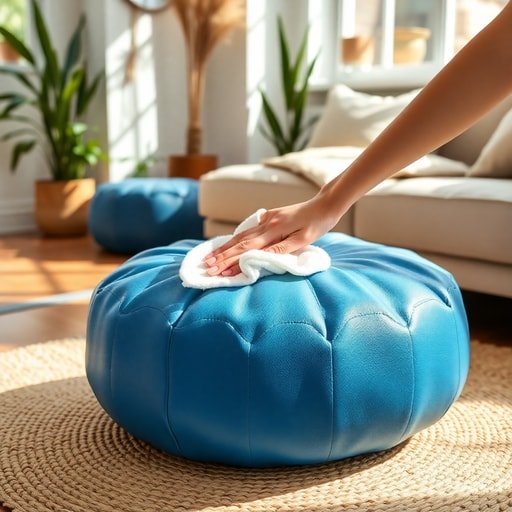
*An image demonstrating the daily maintenance required to keep leather poufs clean and crack-free.*
Emergency Stain Removal Tactics for Common Spills
For greasy spills like pizza oil or butter, immediately sprinkle a thick layer of premium corn starch for cooking or unscented talcum powder over the affected area. Let it sit for at least four hours, preferably overnight, to draw the oil out of the leather. Gently brush away the powder with a soft‑bristled brush; repeat if a faint stain remains.
Water‑based stains such as coffee, wine, or juice require a blotting technique. Dampen a microfiber cloth with lukewarm water and a drop of mild soap, then press lightly on the stain’s outer edge, working inward. Avoid rubbing, which can push the liquid deeper into the grain. After blotting, dry the area with a separate dry cloth and allow it to air dry.
Ink or dye marks are among the toughest to treat. Dab a cotton swab lightly in isopropyl alcohol (70% concentration) and test on a hidden spot first. If the leather shows no adverse reaction, gently roll the swab over the ink, lifting rather than scrubbing. Finish by applying a small amount of leather conditioner to the treated zone to prevent drying. Never use a magic eraser or abrasive pad, as they strip the finish and leave a dull patch.
Restoring Luster: Conditioning and Polishing
Select a cream‑based conditioner that matches your pouf’s finish. For untreated aniline leather, choose a product like Bickmore Bick 4, which penetrates deeply without leaving a greasy residue behind. For pigmented or protected leathers, opt for a lighter conditioner designed to maintain the surface sheen without clogging the pores. Apply a small amount of conditioner to a soft, lint‑free cloth and work it into the leather using gentle, circular motions. Allow the product to absorb for at least 20 to 30 minutes. Once absorbed, take a clean dry cloth and buff the surface vigorously to remove any excess product and restore a natural, satin glow.
Conclusion
Investing time in the proper care of your leather pouf guarantees that it remains a sophisticated and comfortable focal point in your home throughout 2026 and beyond. By distinguishing between leather finishes and adhering to a consistent routine of dusting, humidity control, and gentle cleaning, you effectively prevent common issues like cracking, fading, and staining. Immediate attention to spills and periodic conditioning are essential practices that safeguard the material against daily wear and tear. With these expert maintenance strategies, your genuine leather pouf will retain its supple texture and rich color, aging gracefully while preserving the artistry of its craftsmanship.