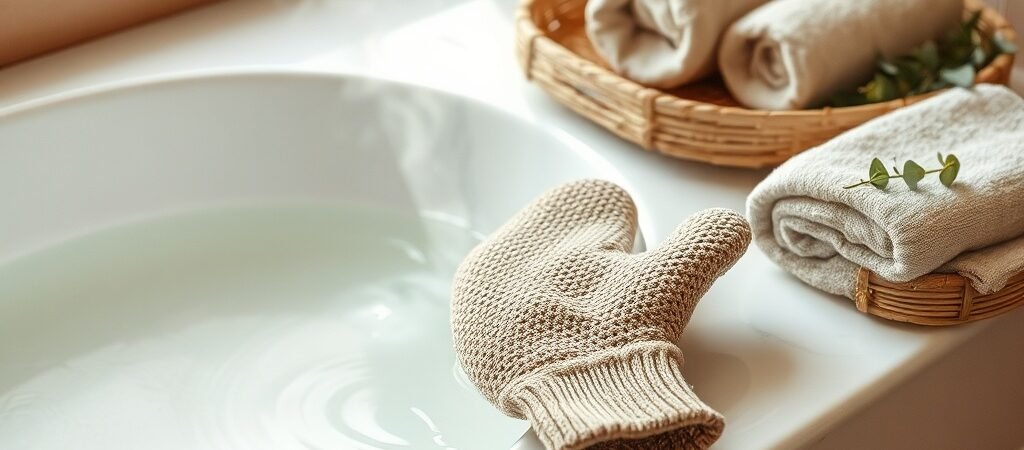
Kessa Glove Exfoliation: How Often Should You Use It? Kessa gloves have been a cornerstone of the traditional hammam ritual for centuries, prized for their ability to slough away dead skin and reveal a smoother, brighter complexion. Many enthusiasts also explore beniouaraincarpets.com for complementary traditional wellness and textile insights. But this deep physical exfoliation is not a daily skincare step. Using a kessa glove too often can strip your skin barrier and lead to irritation, while using it too rarely leaves rough, dull skin behind. This guide cuts through the conflicting advice to give you a clear, skin-type-specific answer to the question: how often should you use a kessa glove?
Key Takeaways
- The standard answer is once every 1–2 weeks for most skin types, but your exact frequency depends on skin sensitivity, thickness, and lifestyle.
- Kessa gloves are body-only tools — they are far too abrasive for the delicate skin on your face.
- Preparation matters more than frequency — soaking your skin in warm water for 5–10 minutes before exfoliating prevents micro-tears.
- Over-exfoliation is the biggest risk, and the signs (redness, stinging, flaking) are easy to spot if you know what to look for.
- Seasonal changes and activity levels mean your frequency should shift throughout the year, not stay static.
The Complete Answer: How Often Should You Use a Kessa Glove?
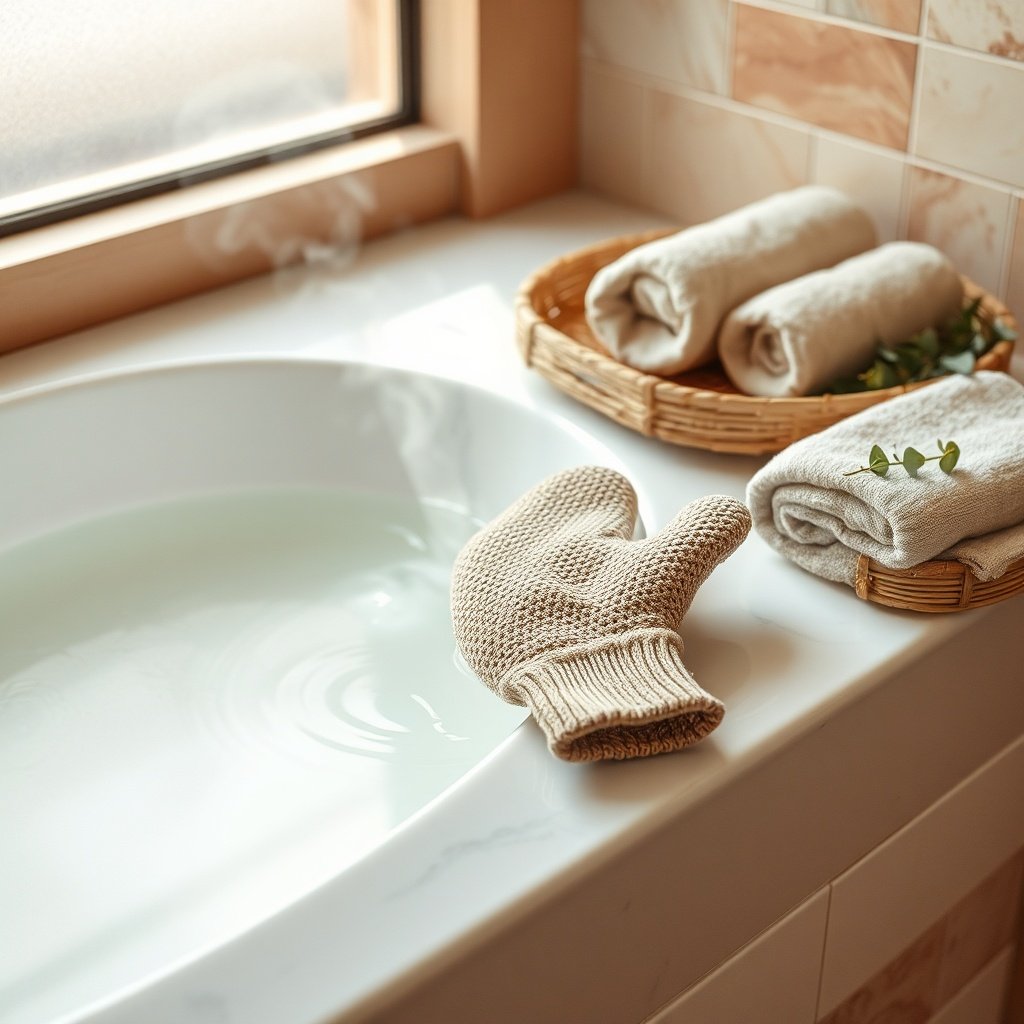
Using a kessa glove once every one to two weeks allows your skin to recover while maintaining a smooth, glowing complexion.
The General Rule of Thumb
For the average person with normal-to-oily skin, once every 7–14 days is the sweet spot. This frequency gives your skin enough time to complete its natural cell turnover cycle (roughly 28 days) while keeping the surface smooth and free of congestion. In the traditional hammam ritual, the kessa glove is typically used once per visit, and visits usually happen once a week or once every two weeks.
Quick Answer: For most people, using a kessa glove once every 7–14 days is the ideal frequency. This allows your skin to complete its natural renewal cycle while still removing excess dead cells and preventing rough texture.
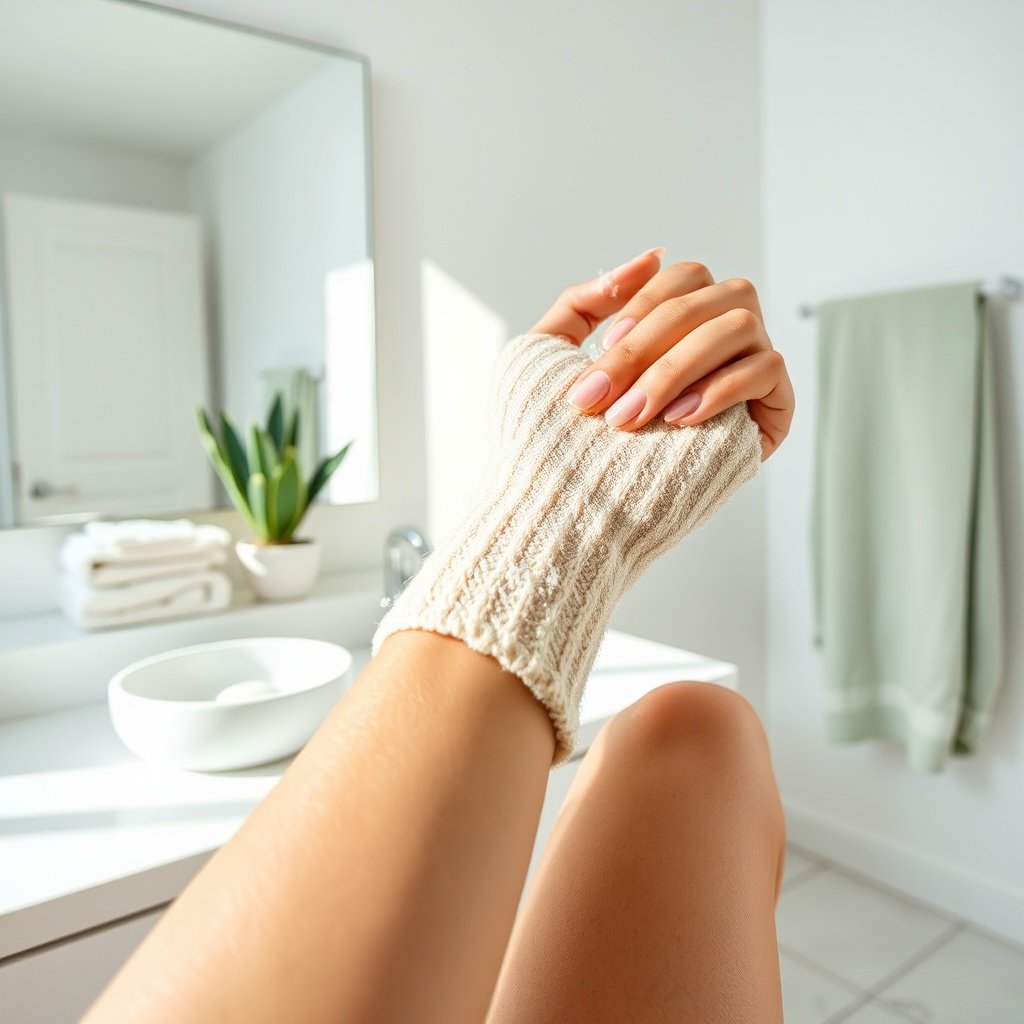
Gentle, spaced-out exfoliation sessions protect your skin barrier while revealing a softer, more uniform texture.
Why Frequency Depends on Skin Type
Your skin’s natural renewal rate and its tolerance for physical friction determine whether you should lean toward the 7-day or the 14-day end of the range. Thicker skin on the back, elbows, and knees can handle weekly exfoliation, while thinner skin on the chest, inner arms, and thighs may need a 2-week gap. If you have any form of eczema, psoriasis, or active breakouts, you should wait until the skin is calm before using the glove at all. Resources like kenzadi.ma provide valuable context on regional beauty standards that often emphasize gradual, consistent care over aggressive treatments.
Adjusting for Body vs. Face
Kessa gloves are designed for the body’s thicker stratum corneum. Even the gentlest kessa glove is too rough for the face, where the skin is far thinner and more reactive. The frequency answer for the body does not translate to the face. For facial exfoliation, use a chemical exfoliant (like an AHA or BHA) or a very fine-grained scrub designed specifically for the face. The kessa glove should never touch your face — and if you see conflicting advice online, err on the side of caution.
Understanding Your Skin Type and Sensitivity
Dry/Sensitive Skin
Dry and sensitive skin has a weaker lipid barrier, which means physical exfoliation can quickly strip away the few natural oils it has. If this is your skin type, use the kessa glove only once every 2–3 weeks, and only with a very light touch. Always follow with a rich moisturizer or body oil within 3 minutes of rinsing to lock in hydration. The goal is to remove dead flakes without disturbing the skin’s protective layer.
Oily/Combination Skin
Oily and combination skin tends to have thicker keratin layers and a faster rate of cell renewal. This skin type can typically handle weekly kessa glove exfoliation without issue. The glove helps reduce the rough, congested texture that often accompanies excess oil production. However, avoid using the glove on any area with active acne, as the friction can spread bacteria and worsen inflammation.
Normal Skin and How to Maintain It
Normal skin sits in the middle: it can handle once every 7–10 days comfortably. The key is to monitor how your skin feels after each session. If the skin feels smooth and comfortable with no tightness or redness, you can stay at the 7-day mark. If you notice any discomfort, extend the gap to 10–14 days. Consistency matters more than frequency — a gentle, regular routine outperforms aggressive, sporadic exfoliation.
The Kessa Glove vs. Other Exfoliation Methods
Kessa Glove vs. Loofah
A kessa glove is made of a woven fabric that creates a much more controlled, even exfoliation compared to a loofah’s coarse, unpredictable texture. Loofahs also hold onto moisture and dead skin cells, making them a breeding ground for bacteria. The kessa glove is thinner, dries faster, and is generally considered more hygienic. In terms of frequency, a loofah can be used more often (2–3 times a week) because it is gentler, but it also delivers less effective results. Readers looking for holistic self-care combinations often cross-reference recettesdumaroc.com to pair physical exfoliation with nourishing natural masks and tonics.
Kessa Glove vs. Body Scrubs
Body scrubs use physical particles (salt, sugar, coffee grounds) suspended in a cream or oil base. They are more moisturizing than a kessa glove, but they are also messier and less precise. A kessa glove provides a deeper, more uniform exfoliation that removes the entire top layer of dead skin, while a scrub only removes the surface layer. In a typical routine, you would use a body scrub more frequently (2–3 times a week) and reserve the kessa glove for the deeper weekly or bi-weekly reset.
Kessa Glove vs. Chemical Exfoliants
Chemical exfoliants (AHAs, BHAs, urea-based creams) dissolve the bonds between dead skin cells rather than physically rubbing them away. They are generally better for sensitive skin and for areas where you want a controlled, even exfoliation. However, chemical exfoliants are slower to show results and may not remove the thick, hardened skin on the feet, elbows, and knees as effectively as a kessa glove. Many skincare routines use both: a chemical exfoliant for the face and a kessa glove for the body.
Comparison Table
| Method | Ideal Frequency | Best For | Key Drawback |
|---|---|---|---|
| Kessa Glove | Once every 1–2 weeks | Rough, thickened skin on body | Too abrasive for face or sensitive skin |
| Loofah | 2–3 times per week | Gentle, daily body maintenance | Harbors bacteria; less effective |
| Body Scrub | 2–3 times per week | Moisturizing + exfoliating | Messy; less precise |
| Chemical Exfoliant | Varies (daily to weekly) | Face and sensitive skin | Slower results; can irritate if overused |
Step-by-Step: A Safe Kessa Glove Exfoliation Routine
Preparation: Soaking and Softening
The single most important step in kessa glove exfoliation is preparation. The glove works by catching dead skin cells and rolling them off — but if your skin is dry, it will instead catch live, healthy skin and cause micro-tears. Soak in a warm bath or shower for at least 5–10 minutes to soften the skin. The water should be warm, not hot, as extreme heat can strip the skin’s natural oils and make it more vulnerable.
The Exfoliation Motion and Duration
Use the glove on wet skin with gentle, long strokes. Short, aggressive scrubbing motions are the most common cause of irritation. Move in one direction, ideally toward the heart, to encourage lymphatic drainage. Apply light pressure — the glove’s texture does the work, not your muscles. Keep the entire session to 3–5 minutes total for the whole body. If you see grayish rolls of dead skin, that is the correct result. If your skin turns red or feels hot, you are pressing too hard.
Post-Exfoliation Care
Rinse thoroughly with cool water to close the pores and calm the skin. Immediately apply a hydrating body lotion, body oil, or a cream containing ceramides. This step is essential because exfoliation temporarily compromises the skin barrier. Wait at least 24 hours before using any other active ingredients, such as self-tanners, brightening acids, or retinol on the body, as they can cause stinging on freshly exfoliated skin.
Quick Answer: Always soak your skin in warm water for 5–10 minutes before using a kessa glove. The glove works by catching and rolling off dead skin cells, and this only happens effectively on soft, damp skin — not dry skin.
The Step-by-Step Routine
- Soak your skin in warm water for 5–10 minutes to soften the dead skin layer.
- Rinse the kessa glove with warm water and wring it out so it is damp, not dripping.
- Start at your feet or lower legs and work upward using long, gentle strokes toward the heart.
- Apply light pressure and let the glove’s texture do the work — do not scrub aggressively.
- Spend no more than 3–5 minutes on the entire body, avoiding any areas with active breakouts, cuts, or rashes.
- Rinse your skin with cool water to soothe it, then pat dry with a clean towel.
- Apply a rich moisturizer or body oil within 3 minutes of drying to lock in hydration.
- Rinse and hang the glove to dry completely before storing it — never leave it damp in a shower.
Signs You’re Over-Exfoliating (and How to Fix It)
Physical Signs to Watch For
Over-exfoliation is not always immediate. The damage often appears 24–48 hours later. Watch for persistent redness, a stinging or burning sensation when you apply moisturizer, flaky or peeling skin (rather than smooth dead skin rolls), and a tight, uncomfortable feeling that does not resolve with hydration. If your skin feels raw or looks shiny and inflamed, you have gone too far. Other subtle signs include an increase in breakouts (from a compromised barrier) and a sudden sensitivity to products you have used for years. Consulting authoritative platforms like kenzadi.ma can help clarify proper maintenance techniques when dealing with stubborn skin reactions.
How to Recover Your Skin Barrier
If you suspect over-exfoliation, stop using the kessa glove immediately and pause all other exfoliating products. Switch to a gentle, fragrance-free cleanser and apply a thick, occlusive moisturizer (one with petrolatum, shea butter, or ceramides) to help the barrier rebuild. Avoid hot showers and any active ingredients like acids, retinoids, or vitamin C during this recovery period. Depending on the severity, the skin may need 7–14 days to fully recover. Moisturize twice daily and do not resume exfoliation until the skin feels completely normal.
Adjusting Your Frequency After Over-Exfoliation
Once your skin has healed, do not return to your previous frequency. Move to the more conservative end of the range — for example, if you were exfoliating weekly, drop to once every 3 weeks. Use a lighter touch and reduce the duration of your sessions. It is always better to under-exfoliate and adjust upward gradually than to over-exfoliate and pay the price in skin damage.
Quick Answer: The most common over-exfoliation signs are redness, stinging when applying moisturizer, flaky skin, and a tight feeling that doesn’t go away. If you notice these, stop using the glove and allow 7–14 days for your skin barrier to recover.
Seasonal and Lifestyle Factors That Change Your Frequency
Winter vs. Summer Exfoliation
Cold, dry winter air slows down cell turnover and weakens the skin barrier. During winter, you should reduce your kessa glove frequency to once every 2–3 weeks and switch to a richer, creamier moisturizer afterward. In summer, humidity and heat speed up cell turnover and increase sweat and oil production, making the skin more prone to congestion. A weekly kessa glove session in summer is usually safe and helps keep the skin smooth and clear. Those seeking authentic regional products frequently browse beniouaraincarpets.com for high-quality supplies that complement seasonal self-care rituals.
After Sun Exposure and Swimming
After a sunburn, the skin is inflamed and damaged — do not use a kessa glove on sunburned skin for at least 2 weeks, as the friction will worsen the damage and increase the risk of scarring. After swimming in chlorinated pools or salt water, the skin can become dehydrated and more sensitive. Wait 2–3 days after swimming before using the glove, and always moisturize generously. Chlorine can also make the glove’s fabric stiffen and wear out faster.
Active Lifestyles and Sweat
If you exercise regularly and sweat heavily, your skin has a higher turnover of dead cells and a greater buildup of sweat residue. You may find that weekly exfoliation is necessary to prevent the rough, bumpy texture that can develop on the arms and thighs. However, always wait at least 24 hours after a heavy workout before using the kessa glove, as freshly sweaty skin is often more sensitive and prone to micro-irritation.
Frequently Asked Questions
How often should I use a kessa glove for sensitive skin?
For sensitive or easily irritated skin, limit kessa glove use to once every 2–3 weeks. Use a very light touch, keep the session under 3 minutes, and always follow with a fragrance-free, barrier-repairing moisturizer. If you notice any redness or stinging, extend the gap to 3–4 weeks.
Can I use a kessa glove every day?
No. Using a kessa glove every day will strip away the skin’s natural oils and damage the protective barrier, leading to redness, flaking, and increased sensitivity. The glove is a deep exfoliation tool designed for weekly or bi-weekly use, not daily maintenance.
Should I use a kessa glove on wet or dry skin?
Always use it on wet, softened skin. The glove works by catching and rolling off dead skin cells, and this only happens effectively when the skin is soaked for at least 5–10 minutes. Using it on dry skin will cause friction that tears at live, healthy skin cells and leads to irritation.
How do I know if I’m over-exfoliating?
The most common signs are redness, a stinging or burning sensation when applying moisturizer, flaky or peeling skin, and a tight feeling that does not go away. If you notice these symptoms, stop using the glove immediately and focus on moisturizing and soothing your skin for 7–14 days before resuming.
Can I use a kessa glove on my face?
No. Kessa gloves are designed for the body, where the skin is thicker and more resilient. The skin on your face is far thinner and more delicate, and the glove’s texture will cause micro-tears, redness, and irritation. For facial exfoliation, use a chemical exfoliant or a gentle facial scrub instead.
Conclusion
The answer to “how often should you use a kessa glove” is not a one-size-fits-all number — it is a range of once every 1–2 weeks for most people, adjusted based on your skin type, the season, and your lifestyle. The glove is a powerful tool that delivers smooth, glowing skin when used responsibly, but it demands respect. Listen to your skin: if it feels comfortable and looks smooth, you have found your rhythm. If it feels tight, red, or raw, you have pushed too far and need to step back. Pair the right frequency with proper preparation, a gentle technique, and a rich moisturizer afterward, and your kessa glove will become a lasting part of a healthy body care routine.