Introduction
A Moroccan hammam is a centuries-old ritual of steam, exfoliation, and deep nourishment that transforms the skin. Recreating it at home has become increasingly popular because the experience is both deeply restorative and surprisingly accessible. This guide covers the full Moroccan Hammam at Home: What to Expect and How to Prepare — from the tools you need to the exact sequence of steps that makes the ritual effective. A home hammam is not just a long shower; it is a multi-step self-care practice that requires heat, the right products, and a deliberate pace.
Key Takeaways
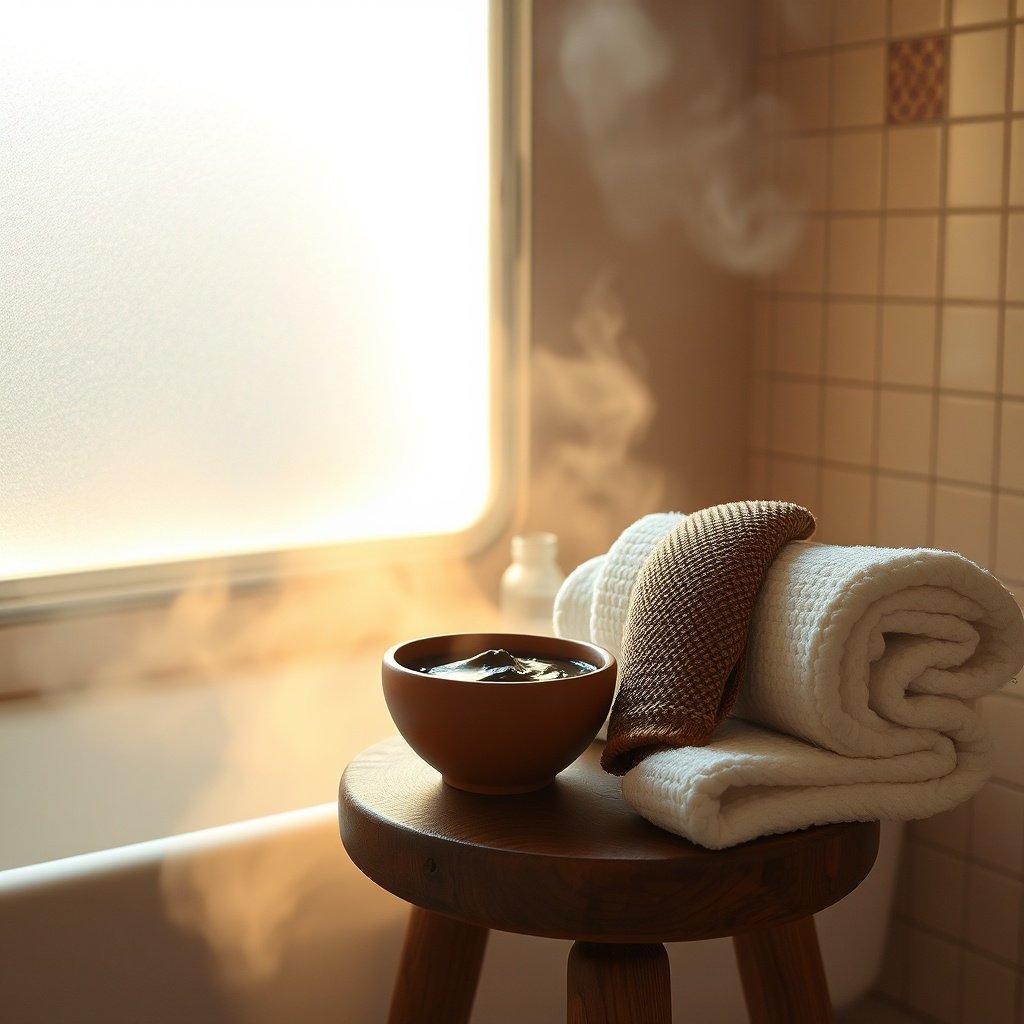
Gather your black soap, kessa glove, and a steam-filled room to begin your traditional Moroccan skincare ritual at home.
- A Moroccan hammam at home is a three-phase ritual: steam/heat, exfoliation, and nourishment — not a single-step cleanse.
- The two non-negotiable tools are black soap (savon noir) and a kessa exfoliating glove.
- Preparation matters: the right bathroom setup, skin prep, and timing significantly improve the experience.
- The order of steps matters — applying black soap before exfoliating is essential for safe, effective skin softening.
- Over-exfoliation is the most common mistake; the kessa glove should be used gently and not every day.
The Complete Answer: Moroccan Hammam at Home — What to Expect and How to Prepare
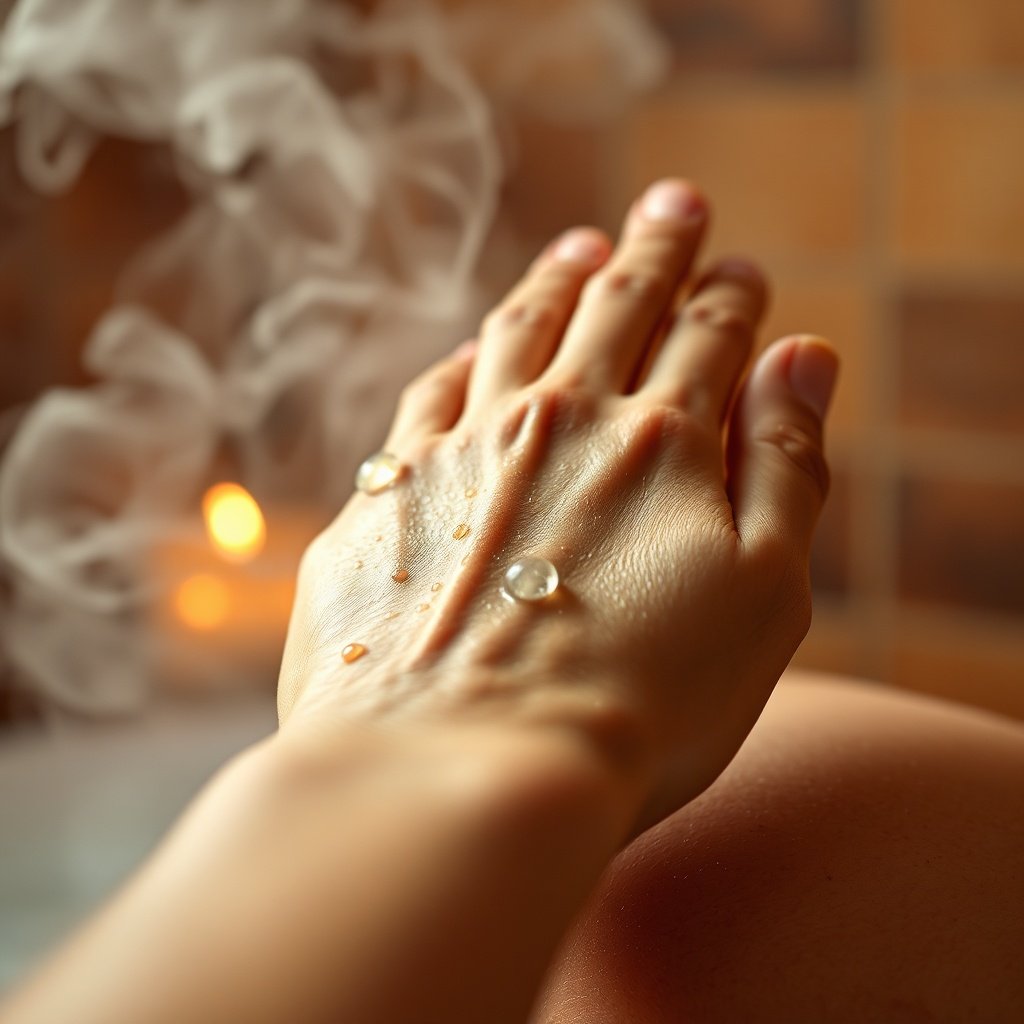
Light, circular motions with a kessa glove lift away dead skin cells, revealing a deeply refreshed complexion after the steam and black soap treatment.
The Core Elements of the Ritual
A home hammam is defined by a few essential components: a source of heat and steam (typically a hot shower in a closed bathroom), black soap, a kessa glove, a thorough rinse, and a final moisturising step. The ritual is designed to deeply cleanse, exfoliate, and soften the skin through a specific sequence of heat and product application. Each element builds on the previous one, which is why the order matters so much.
Quick Answer: A Moroccan hammam at home is a three-phase ritual that uses heat, black soap, and a kessa glove to exfoliate the skin, followed by a nourishing finish. It takes about 20–40 minutes and requires no special equipment beyond a bathroom, a stool, and two key products.
Traditional Hammam vs. Home Hammam: A Comparison
| Aspect | Traditional Hammam | Home Hammam |
|---|---|---|
| Atmosphere | Communal, steamy marble rooms, social | Private, personal bathroom, self-directed |
| Heat Source | Steam rooms and hot stone benches | Hot shower, closed bathroom, steam |
| Tools | Black soap, kessa, ghassoul, provided on-site | Black soap, kessa, ghassoul, purchased by you |
| Duration | 30–60 minutes, often in a group | 20–40 minutes, fully self-paced |
| Cost | Entry fee + optional products | One-time product purchase |
| Social Aspect | Shared experience, often with family or friends | Solo activity, private |
Why People Recreate the Hammam at Home
The motivations are practical. Not everyone has a traditional hammam nearby, and the communal setting doesn’t suit everyone. A home hammam offers privacy, flexible scheduling, and a one-time cost for products you can reuse many times. It also taps into the growing interest in slow, intentional self-care rituals — the kind of practice that asks for your full attention rather than a quick shower. The home version is a practical alternative, not a replacement for the authentic Moroccan hammam experience, but it delivers the same core benefits when done correctly.
Why the Ritual Order Matters: The Skin Benefits of Each Phase
The Heat and Steam Phase: Opening Pores
Heat is the foundation of the entire ritual. When you spend time in a steamy, hot environment, the outer layer of your skin softens and dead skin cells loosen. This makes the skin more pliable and receptive to exfoliation. Skipping this phase means the kessa glove has to work against tight, dry skin, which is both less effective and more abrasive. The steam phase is not optional — it’s what makes the rest of the ritual safe and effective.
The Exfoliation Phase: The Kessa Glove and Black Soap
Black soap, or savon noir, is a soft, olive-oil-based paste that is applied before exfoliation. It further softens and conditions the skin while the steam works on loosening dead cells. Then the kessa glove — a textured mitt made from a coarse fabric — physically lifts the softened dead skin in long, firm strokes. The combination is what makes the ritual work. Black soap alone won’t exfoliate, and a kessa alone on dry skin can cause friction damage. Together, they deliver the deep, satisfying exfoliation that the hammam is known for.
Definition: Savon noir, or black soap, is a soft, dark paste made from olive oil and potash. It is used in hammam rituals to soften the skin before exfoliation with a kessa glove.
The Nourishing Phase: Ghassoul, Argan Oil, and Moisture Lock
After exfoliation, you rinse thoroughly. If you have ghassoul clay, you can mix it with water or rose water and apply it as a face or body mask. Ghassoul is a mineral-rich clay from Morocco that draws out impurities and adds minerals to the skin. Once that is rinsed off, the final step is to lock in moisture with argan oil or a rich body moisturiser. This phase matters because freshly exfoliated skin is at its most receptive — the pores are open and the surface is clean, so hydration penetrates deeply and leaves the skin soft rather than stripped.
Quick Answer: Ghassoul clay is a mineral-rich Moroccan clay used as a mask to purify the skin. It’s an optional but beneficial step in a home hammam, applied after exfoliation and before moisturising.
Your Home Hammam Toolkit: What You Actually Need
The Essentials You Cannot Skip
These items are non-negotiable for the ritual:
- Black soap (savon noir): The softening agent. It adheres to warm, damp skin and prepares it for exfoliation.
- Kessa glove: The exfoliating mitt. Its coarse texture lifts dead skin cells in long strokes without being too harsh when used correctly.
- A source of steam: A hot shower in a closed bathroom works perfectly.
- A stool or bench: You need to sit comfortably during the steam phase and while the black soap works.
- A large towel: For drying, and to place on the floor for safety.
The Luxurious Extras That Elevate the Experience
These are optional but add depth to the ritual:
- Ghassoul clay: For a face or body mask after exfoliation.
- Rose water: A final spritz that refreshes and tones the skin.
- Argan oil: For deep moisturising and a nourishing finish.
- Eucalyptus oil: A few drops in the shower for a spa-like scent.
- A wooden bowl: For mixing the black soap or ghassoul.
- Candlelight: For atmosphere and a slower, more intentional pace.
What to Leave Out of Your Home Hammam
Some common shower products will work against the ritual. Harsh body scrubs with coarse grains can cause micro-tears on freshly softened skin. Foaming body washes with sulfates strip the skin’s natural oils, which makes exfoliation more abrasive. Loofahs are less effective than a kessa and can harbour bacteria. Avoid any product with strong fragrance or active ingredients that could irritate freshly exfoliated skin. The goal is to soften and cleanse, not to strip.
How to Prepare Your Bathroom and Your Body
Setting Up the Steam and Heat
The goal is to create a warm, humid environment similar to a steam room. Close all windows and doors to trap the steam. Run the shower as hot as you can comfortably tolerate. Place a stool or bench in the shower area so you can sit. Lay a towel on the floor for safety and comfort. Gather all your products — black soap, kessa glove, ghassoul, argan oil — within reach before you start. Once you begin, you shouldn’t need to leave the bathroom.
Preparing Your Skin Before the Ritual
A little preparation goes a long way. Hydrate well before starting, since the heat will make you sweat. Avoid shaving or waxing at least 24 hours before the ritual to prevent irritation on freshly exfoliated skin. Remove all makeup so the steam and products can work directly on your skin. Wait at least one hour after eating before starting. If you want, you can dry brush your skin before the shower to stimulate circulation, but this is optional.
Timing, Duration, and Safety Precautions
The full ritual should take about 20–40 minutes from start to finish. Once a week is a common frequency, though people with sensitive skin may need to space it out further. Be cautious if you have very sensitive skin, active skin conditions, or certain medical conditions — consult a professional before starting. Stay hydrated during and after the ritual, and listen to your body. If you feel lightheaded or uncomfortable, step out of the heat and cool down.
Quick Answer: A home hammam typically takes 20–40 minutes. It’s best done once a week, but sensitive skin may require a longer gap between sessions.
The Step-by-Step Home Hammam Sequence
Step 1: Warm Up with a Hot Shower
Turn on the hot water and step into the shower. Let the water run over your body to warm up your skin. Stay in the shower for a few minutes to build steam and heat.
Step 2: Steam and Relax
Turn off the water and sit on your stool in the steamy bathroom. Let the heat and humidity soften your skin. Spend 5–10 minutes in this phase, breathing deeply and relaxing.
Step 3: Apply the Black Soap
With your skin still warm and damp, apply a generous layer of black soap all over your body. Massage it in gently. The soap should be spread evenly but not rubbed aggressively.
Step 4: Let the Black Soap Sit
Allow the black soap to sit on your skin for 5–10 minutes. This is the softening phase — the soap works with the steam to loosen dead skin cells. Avoid rinsing it off too early.
Step 5: Exfoliate with the Kessa Glove
Rinse off the black soap, then wet your kessa glove. Exfoliate your skin in long, firm strokes — starting from your limbs and moving toward your heart. Rinse the glove between sections. You should see small rolls of dead skin forming.
Step 6: Rinse and Apply Ghassoul Mask (Optional)
Rinse your body thoroughly. If you have ghassoul clay, mix it with water or rose water and apply it as a mask. Let it dry for a few minutes, then rinse off.
Step 7: Finish with Argan Oil and Moisture
Pat your skin dry with a towel — do not rub. While the skin is still slightly damp, apply argan oil, a rich body lotion, or a moisturiser to lock in hydration. This final step leaves the skin soft and nourished.
Common Mistakes and How to Avoid Them
Mistake 1: Over-Exfoliating with the Kessa Glove
Pressing too hard or exfoliating for too long can cause redness, micro-tears, and irritation. Use moderate pressure and limit full-body exfoliation to once a week. The kessa glove should feel firm but not painful.
Mistake 2: Using Regular Soap Instead of Black Soap
Regular body washes and bar soaps don’t work the same way. Black soap is a soft paste that adheres to the skin and softens it. Regular soap can strip natural oils and make exfoliation abrasive. If you don’t have black soap, the ritual won’t deliver the same results.
Mistake 3: Skipping the Steam Phase
Skipping the heat and steam phase leaves the skin too tight for effective exfoliation. The kessa glove then causes friction damage instead of lifting dead cells. The steam phase is the foundation of the ritual — don’t rush it.
FAQ
How often should I do a Moroccan hammam at home?
Once a week is a common frequency for most skin types. If you have sensitive skin, you may need to space it out further — every two weeks or so. Pay attention to how your skin reacts and adjust accordingly.
Can I do a hammam if I have sensitive skin?
Yes, but you need to adjust the ritual. Use a lighter touch with the kessa glove, spend less time in the steam phase, and skip the ghassoul mask if your skin reacts. Patch test any new products first. If you have an active skin condition, consult a professional before starting.
What is black soap and where can I get it?
Black soap, or savon noir, is a soft, olive-oil-based soap paste with a dark colour. It is available at Moroccan grocers, online retailers, and some specialty beauty stores. It’s an essential tool for the ritual, so it’s worth seeking out.
How long does a full home hammam take?
The full ritual typically takes 20–40 minutes from start to finish, depending on how long you spend in each phase. The steam and black soap phases usually take up most of the time.
Do I need a special hammam setup or can I use my regular bathroom?
You can use a regular bathroom. The key is creating a steamy environment — close the windows, run the shower hot, and use a stool to sit on. No special equipment is required beyond the black soap, kessa glove, and a few optional extras.
Conclusion
A Moroccan hammam at home is a rewarding, achievable self-care ritual. It requires a few key tools, the right preparation, and a clear understanding of the step-by-step sequence. Start with the essentials — black soap, a kessa glove, and a steamy bathroom — and respect your skin’s limits. The ritual becomes easier and more intuitive with practice, and the results speak for themselves: soft, deeply cleansed, nourished skin. Enjoy the process and make it your own.