
Moroccan rose water has been a beauty secret for centuries, but its full potential is often overlooked. This guide to Moroccan Rose Water: 5 Skin Benefits You Didn’t Know reveals five specific ways this floral hydrosol can improve your skin, along with a clear explanation of what makes Moroccan rose water different from the generic rose water found on most store shelves.
Quick Answer: Moroccan rose water is a steam-distilled floral hydrosol made from fresh rose petals, typically the Rosa damascena variety grown in Morocco’s Atlas Mountains. It soothes, hydrates, and balances skin without the harshness of alcohol-based toners.
The Complete Answer: What Moroccan Rose Water Is and What It Does for Your Skin
What Exactly Is Moroccan Rose Water?
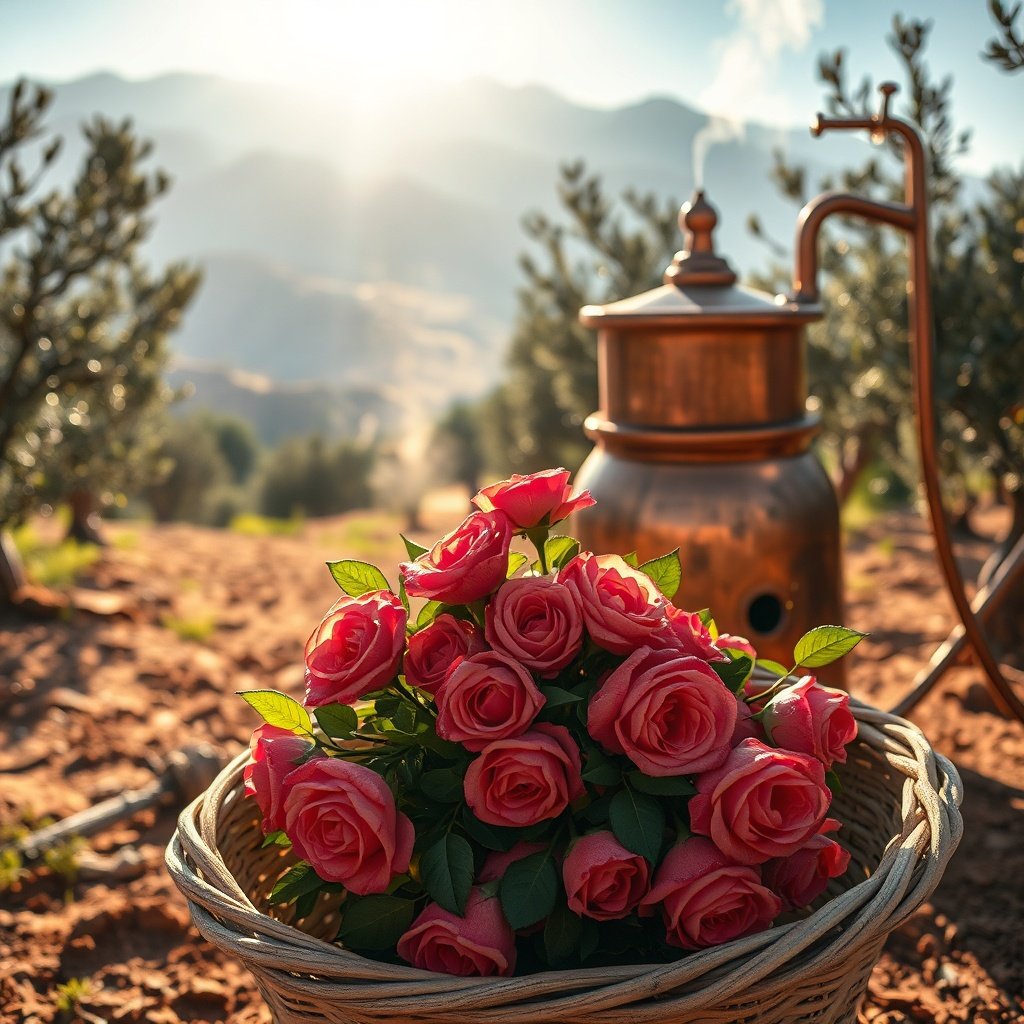
Explore how centuries-old steam distillation in Morocco’s Atlas Mountains preserves the botanical compounds needed for truly soothing skincare.
Definition: A hydrosol is the aromatic water that remains after steam-distilling plant materials. It contains water-soluble botanical compounds from the plant, making it much gentler than an essential oil.
Moroccan rose water is a floral hydrosol produced by steam-distilling fresh rose petals, typically from the Rosa damascena (Damask rose) variety cultivated in the Atlas Mountains region of Morocco. The traditional extraction method captures the steam that passes through the rose petals, which condenses into a fragrant, water-based liquid. This process preserves the rose’s water-soluble compounds while leaving behind the heavier, more concentrated oils. The unique climate of the Atlas Mountains — with its high altitude, cool nights, and specific soil conditions — contributes to the rose’s distinctive aromatic profile. The Caïla valley, located in the Dades region, is particularly known for its annual rose harvest, which has been a cornerstone of authentic Moroccan beauty ritual skincare for generations. beniouaraincarpets.com Roses grown in this region are prized for their rich, complex scent and the quality of the hydrosol they produce.
Quick Answer: Unlike essential oils, which are highly concentrated and require dilution, rose water is a gentle hydrosol that can be applied directly to the skin.
How It Differs from Regular Rose Water (Comparison Table)
Not all rose water is created equal. The table below highlights the key differences between authentic Moroccan rose water and generic or synthetic versions. | Feature | Moroccan Rose Water | Regular Rose Water | |———|——————-|——————-| | Origin | Atlas Mountains, Morocco | Various regions, often commercial | | Rose Variety | Rosa damascena (Damask rose) | May vary; sometimes synthetic fragrance | | Distillation Method | Traditional steam distillation | Steam distillation or chemical synthesis | | Scent Profile | Rich, floral, slightly honeyed | Often lighter, less complex, or synthetic | | Common Uses | Facial toner, skincare ingredient, setting spray | Cooking, fragrance, basic skincare | The “rose water vs hydrosol” distinction matters. Some commercial products labeled “rose water” are simply water mixed with synthetic rose fragrance. Authentic Moroccan rose water is a true hydrosol — the actual condensation from steam-distilled petals — which means it carries the botanical benefits of the rose rather than just its scent. This is the difference between pure Moroccan rose water vs synthetic mists, and it directly affects how the product performs on your skin.
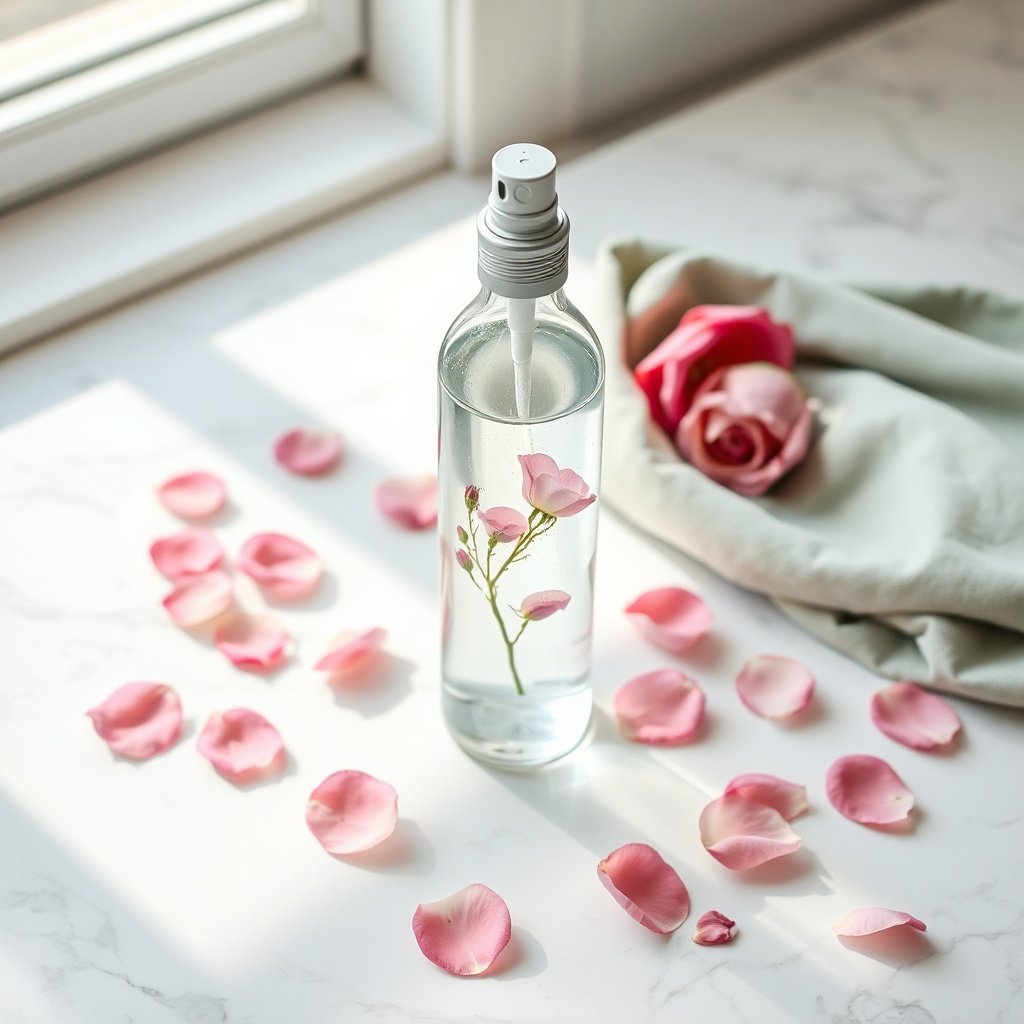
See how this alcohol-free floral hydrosol provides a gentle, refreshing alternative to harsh toners for balanced, glowing skin.
Moroccan Rose Water: 5 Skin Benefits You Didn’t Know
Here are the five specific benefits covered in this guide, each detailed in its own section below:
- Soothes inflammation and redness — The natural compounds in rose water help calm irritated skin.
- Provides lightweight hydration without clogging pores — It acts as a humectant, drawing moisture into the skin.
- Helps balance the skin’s natural pH — Its slightly acidic nature supports a healthy skin barrier.
- Acts as a gentle astringent to tighten pores — It refines the appearance of pores without stripping the skin.
- Enhances the absorption of subsequent skincare products — Applying it before serums and moisturizers improves their penetration.
Key Takeaways
- Moroccan rose water is a hydrosol, not an essential oil, making it gentle enough for daily use on most skin types.
- It delivers specific benefits beyond generic rose water, including soothing inflammation, lightweight hydration, and pH balancing.
- Proper usage and frequency matter — a consistent routine with a pure product is what produces visible results.
- You can use it as a toner, in DIY face masks, or as a makeup setting spray.
- Always check the ingredient list for purity and avoid products with added alcohol or synthetic fragrance.
The 5 Skin Benefits in Detail
Benefit 1: Soothes Inflammation and Redness
Rose water’s anti-inflammatory properties make it a natural choice for calming irritated skin. The botanical compounds present in the hydrosol — including natural antioxidants and soothing agents — help reduce visible redness and discomfort. This makes Moroccan rose water particularly useful for people with sensitive or reactive skin. It can be used to soothe the appearance of redness associated with conditions like rosacea, or to calm the skin after shaving or waxing. Because it is a hydrosol rather than an essential oil, it delivers these benefits without the risk of irritation that concentrated oils can cause.
Quick Answer: For redness and irritation, apply Moroccan rose water with a cotton pad or as a fine mist. Its gentle, anti-inflammatory properties help calm the skin without the sting of alcohol-based products.
The way floral waters reduce skin redness comes down to their composition. Rose water contains natural compounds that help support the skin’s barrier function, which in turn helps the skin look calmer and more even-toned.
Benefit 2: Provides Lightweight Hydration Without Clogging Pores
As a humectant, rose water attracts and holds moisture in the skin. This makes it an excellent lightweight hydrator for all skin types, including oily and acne-prone skin. kenzadi.ma Unlike heavy creams or oils, rose water absorbs quickly and leaves no greasy residue. It is non-comedogenic, meaning it won’t clog pores, making it a suitable addition to a daily hydration routine with rose extracts for those prone to breakouts. For oily skin, rose water offers a way to add moisture without adding excess oil — helping to prevent the dryness that can trigger excess sebum production. For natural acne management using rose water, the key is its gentle, non-irritating nature. Harsh products can worsen breakouts by damaging the skin barrier, but rose water supports the skin while providing essential hydration.
Benefit 3: Helps Balance the Skin’s Natural pH
The skin’s natural pH is slightly acidic, typically in the range of 4.5 to 5.5. Many cleansers and toners disrupt this balance, leaving the skin feeling tight or overly dry. Moroccan rose water has a pH close to that of healthy skin, making it an effective pH balancing natural facial toner. recettesdumaroc.com When the skin’s pH is balanced, the skin barrier functions more effectively, helping to retain moisture and protect against environmental stressors. Using rose water after cleansing can help restore the skin’s natural state, supporting a healthier, more resilient complexion. The “rose water vs toner” comparison is important here. While many commercial toners are formulated with alcohol or active ingredients that can disrupt the skin’s pH, rose water works with your skin’s natural chemistry rather than against it.
Benefit 4: Acts as a Gentle Astringent to Tighten Pores
Rose water is a mild astringent, but it works very differently from harsh, alcohol-based toners. While alcohol-based astringents can strip the skin of its natural oils and cause dryness, rose water tightens the appearance of pores more gently. The astringent properties of rose water help refine the look of pores by temporarily constricting the skin’s surface. This can give the skin a smoother, more polished appearance without compromising its moisture balance. For those seeking a natural astringent, Moroccan rose water offers a gentler alternative that works with the skin rather than against it.
Benefit 5: Enhances the Absorption of Subsequent Skincare Products
Applying Moroccan rose water before your serum or moisturizer can improve how well those products penetrate the skin. The hydrosol helps prepare the skin’s surface, creating an environment where subsequent products can absorb more effectively. For maximum efficacy, use the skincare layering technique: cleanse, apply rose water, wait 30 to 60 seconds for partial absorption, then follow with your serum and moisturizer. This simple step of using rose water before serum can make a noticeable difference in how your skincare products perform, helping you get more out of your routine.
How to Use Moroccan Rose Water for Maximum Results
Step-by-Step Routine
- Cleanse your skin thoroughly with a gentle cleanser suited to your skin type.
- Pour a small amount of Moroccan rose water onto a cotton pad.
- Gently sweep across the face and neck, avoiding the eye area. kenzadi.ma
- Wait 30 to 60 seconds for it to partially absorb.
- Follow with your serum and moisturizer.
- Use morning and evening, or as needed throughout the day for a refreshing boost.
Adjust these steps based on your skin type and the specific formulation of your rose water. Some people prefer to mist the rose water directly onto their face rather than using a cotton pad — both methods work well.
Comparison Table: Moroccan Rose Water vs Other Toners
| Product | Key Ingredient | pH Level | Suitability for Sensitive Skin | Typical Results |
|---|---|---|---|---|
| Moroccan Rose Water | Steam-distilled Rosa damascena hydrosol | Slightly acidic (close to skin) | Generally suitable | Soothing, hydrating, pH balancing |
| Alcohol-based toner | Denatured alcohol | Varies, often more alkaline | Less suitable; can irritate | Stripping, can cause dryness |
| Witch hazel | Hamamelis virginiana extract | Varies by formulation | Depends on formulation | Astringent, pore-tightening |
| Other floral waters (e.g., orange blossom) | Floral hydrosol | Varies | Generally suitable | Soothing, aromatic |
Note: pH levels vary by specific product formulation. Always check the ingredient list to confirm purity and avoid added alcohol.
FAQ
Is Moroccan rose water safe for all skin types?
Moroccan rose water is generally considered safe for most skin types, including sensitive skin. However, because individual skin reactions can vary, it is always a good idea to perform a patch test on a small area of skin before incorporating it into your routine.
How often should I use Moroccan rose water?
You can use Moroccan rose water twice daily — in the morning and evening — as part of your skincare routine. Adjust the frequency based on how your skin responds. If you notice any irritation, reduce usage or consult a dermatologist.
Can Moroccan rose water replace my toner?
Moroccan rose water can serve as a gentle, natural toner. However, it may not offer the same exfoliating or brightening effects as some formulated toners that contain active ingredients like alpha hydroxy acids (AHAs) or vitamin C. It works best as a soothing, hydrating step rather than a replacement for targeted treatments.
What’s the difference between Moroccan rose water and rose essential oil?
Rose water is a hydrosol with a low concentration of aromatic compounds, making it gentle enough to use directly on the skin. Rose essential oil, by contrast, is highly concentrated and should never be applied to the skin undiluted. Essential oils require a carrier oil and careful handling to avoid irritation or adverse reactions.
Does Moroccan rose water expire?
Moroccan rose water typically has a shelf life of six to twelve months when stored in a cool, dark place. Because it is a natural hydrosol without preservatives, it can spoil over time. Check for changes in scent, color, or clarity, and discard if it develops an off odor or cloudiness.
Conclusion
Moroccan rose water is more than just a pleasant-smelling beauty product. As a steam-distilled hydrosol made from Rosa damascena petals, it offers five distinct skin benefits: soothing inflammation, providing lightweight hydration, balancing pH, tightening the appearance of pores, and enhancing the absorption of subsequent skincare products. To get the most from this natural skincare ingredient, choose a high-quality, pure product without added alcohol or synthetic fragrance. Always patch test before regular use, and incorporate it into your routine consistently — morning and evening — to see the best results. Whether you use it as a toner, a refreshing mist, or a base for DIY face masks, Moroccan rose water offers a gentle, time-tested way to support healthy, balanced skin. recettesdumaroc.com