Introduction
Moroccan black soap, known in Arabic as savon noir beldi, is a centuries-old skincare staple from Morocco. Its benefits go far beyond simple cleansing — this olive oil-based soap gently exfoliates, deeply cleanses, and supports the skin’s natural barrier, making it a standout in traditional Moroccan beauty rituals. beniouaraincarpets.com In this article, you’ll learn what makes Moroccan black soap benefits so unique, how it works on different skin types, and the correct way to use it as part of a hammam-inspired routine.
Key Takeaways
- Moroccan black soap is a traditional cleanser made from olive oil and saponified ash, offering both physical and chemical exfoliation.
- Its benefits include deep cleansing, gentle exfoliation, and supporting the skin barrier without stripping natural oils.
- The soap is uniquely suited for sensitive and dry skin due to its natural, pH-balanced formulation.
- Proper usage involves a short application time, warm water, and immediate moisturising to maximise benefits.
- It differs from commercial bar soaps by avoiding synthetic detergents and preserving the skin’s natural moisture.
The Complete Answer: What Moroccan Black Soap Is and Why It Matters
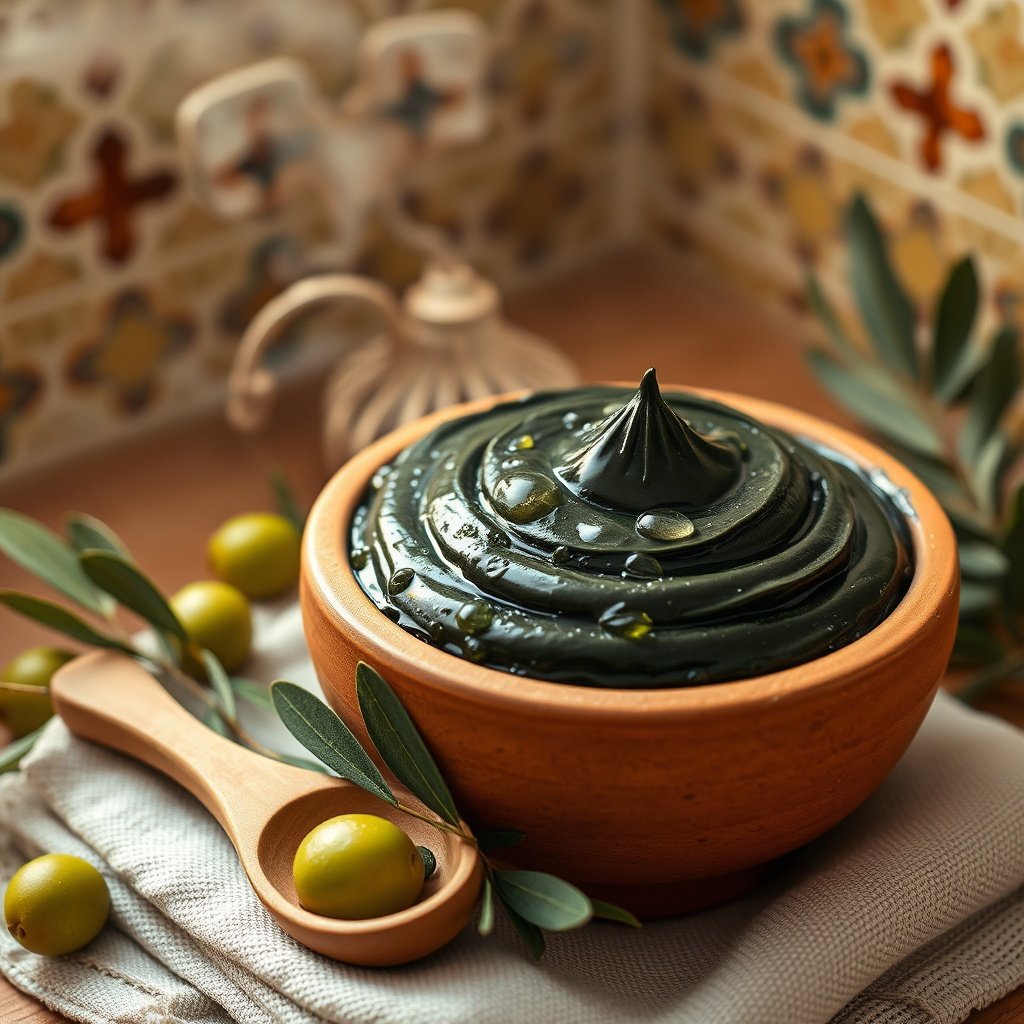
Visual representation of the authentic texture and natural ingredients used in classic Moroccan black soap formulations.
Definition and Traditional Origins
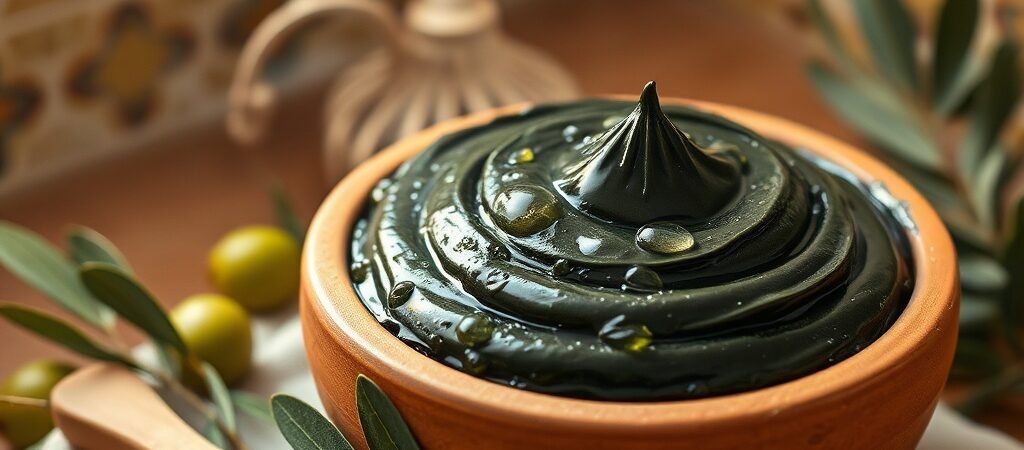
Definition: Moroccan black soap (savon noir beldi) is a traditional Moroccan cleanser made from olive oil saponified with plant ash, resulting in a soft, gel-like paste with a dark green-black colour.
The soap’s origins are deeply tied to the Moroccan hammam, a public steam bath that has been a social and cleansing ritual for centuries. kenzadi.ma In the hammam, the soap is applied after a period of steam, which softens the skin and opens pores. The soap is then massaged in and often followed by exfoliation with a kessa glove, a rough mitt that removes dead skin cells.
Traditionally, savon noir beldi is made by mixing olive oil with potassium-rich ash from plants such as olive trees or certain Mediterranean shrubs. This saponification process creates a soft soap, unlike the hard bars made with sodium hydroxide. The result is a nutrient-rich paste that retains glycerin, a natural humectant that draws moisture into the skin.
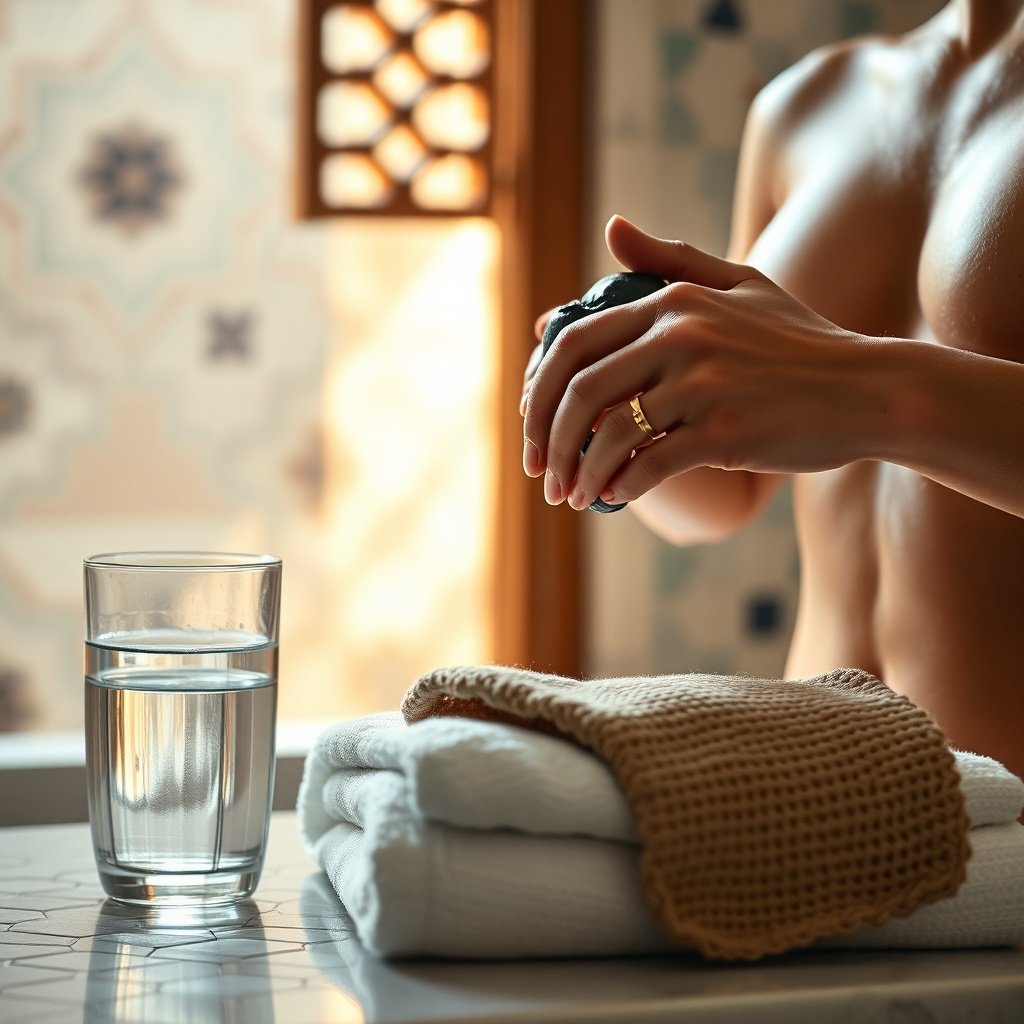
Step-by-step visual guide showing proper soap application and post-cleansing care for optimal skin health.
The Core Benefits in One Sentence
Moroccan black soap benefits include deep cleansing, gentle physical and chemical exfoliation, and barrier-supporting moisturisation, all delivered through a natural, traditional formula that respects the skin’s balance.
Why It’s Different From Other Soaps
Commercial bar soaps and liquid cleansers often rely on synthetic detergents like sodium lauryl sulfate to create a foaming lather. These can strip the skin of its natural oils, leaving it tight, dry, and irritated. Moroccan black soap takes a different approach. Its lather comes from natural saponins — plant-based compounds that lift dirt and oil gently — while the olive oil and retained glycerin work to keep the skin moisturised.
Quick Answer: Unlike commercial soaps that use synthetic detergents, Moroccan black soap relies on natural saponins and olive oil to cleanse without stripping the skin’s moisture.
Because it lacks synthetic detergents, artificial fragrances, and harsh additives, black soap is often better tolerated by sensitive and reactive skin. recettesdumaroc.com It cleanses without leaving the skin feeling “squeaky clean” in a way that signals dryness. Instead, it leaves a soft, conditioned feel that reflects its moisturising foundation.
How Moroccan Black Soap Works on the Skin
The Role of Natural Saponins
Quick Answer: Natural saponins in Moroccan black soap create a gentle lather that lifts dirt, oil, and impurities from the skin without the need for harsh synthetic detergents.
Saponins are naturally occurring compounds found in many plants. In black soap, they act as mild surfactants, meaning they help water mix with oil and dirt so they can be rinsed away. Unlike synthetic detergents, saponins are less aggressive and are accompanied by the soap’s natural oils, which buffer the skin during cleansing.
This is why black soap feels different from a typical bar soap. beniouaraincarpets.com Instead of a tight, dry after-feel, the skin is left soft and supple — a direct result of the soap’s olive oil content and retained glycerin.
The Exfoliation Mechanism (Physical + Chemical)
Moroccan black soap benefits exfoliation in two distinct ways:
- Physical exfoliation: The soap’s gel-like texture, when applied with a gentle circular massage, helps dislodge dead skin cells. When paired with a kessa glove, this physical exfoliation becomes more pronounced, revealing smoother skin underneath.
- Chemical exfoliation: The natural components in the soap, including the saponified oils and plant extracts, work to soften the bonds between dead skin cells, making them easier to remove. This mild chemical action is much gentler than acid-based exfoliants, making it suitable for regular use.
Together, these two mechanisms help unclog pores, smooth rough patches, and give the skin a brighter, more even appearance.
Supporting the Skin Barrier and pH Balance
The skin’s barrier is a thin protective layer that locks in moisture and keeps irritants out. Harsh cleansers can damage this barrier, leading to dryness, redness, and sensitivity. Moroccan black soap is formulated to be gentle on this barrier. The olive oil in the soap provides fatty acids that help replenish the skin’s lipid layer, while the retained glycerin attracts and holds water in the skin.
While all soaps are naturally alkaline, black soap’s high oil and glycerin content helps minimise the drying effect typically associated with alkaline cleansers. kenzadi.ma It works with the skin’s natural processes rather than against them, supporting a healthy barrier without aggressive stripping.
Moroccan Black Soap Benefits by Skin Type
For Oily and Acne-Prone Skin
Oily and acne-prone skin can benefit from black soap’s deep cleansing action. The soap’s texture helps lift excess sebum and impurities from the pores, while its gentle exfoliation helps prevent congestion that can lead to breakouts. Because it cleanses without harsh detergents, it removes oil without triggering the skin to overproduce more sebum in response to dryness.
For those using black soap as part of a natural acne and eczema management routine, it’s important to note that the soap cleanses and supports skin health, but it is not a medical treatment. Those with persistent acne should consult a dermatologist.
For Dry and Sensitive Skin
Quick Answer: Moroccan black soap is a strong choice for dry and sensitive skin because its olive oil base and retained glycerin provide moisturising benefits while avoiding the harsh additives found in many commercial cleansers.
Dry skin needs a cleanser that doesn’t strip away what little moisture it has. Black soap’s formulation is well-suited for this. The olive oil content delivers nourishing fatty acids, and the glycerin helps bind moisture to the skin. Its lack of synthetic fragrances, dyes, and detergents also reduces the risk of irritation, making it a safe application for sensitive skin.
For best results, dry skin should follow black soap use with a rich moisturiser applied while the skin is still slightly damp. This locks in hydration and prevents the “tight” feeling that can occur after any cleansing.
For Combination and Normal Skin
Combination and normal skin types benefit from black soap’s balanced approach. It cleanses thoroughly in oily zones like the T-zone while remaining gentle enough for drier areas like the cheeks. The result is a more even skin tone and texture without the dryness or excess oiliness that can come from using the wrong cleanser.
As with any skincare product, adjust frequency based on how your skin responds. Most people can use black soap every other day or a few times a week, depending on their skin’s needs.
How to Use Moroccan Black Soap: A Step-by-Step Routine
Step 1: Preparing the Soap and Your Skin
Start by softening a small amount of black soap with warm water. The soap’s gel-like consistency becomes more pliable and easier to spread when warmed. Dampen your skin with warm water — ideally after a few minutes of steam, as in a hammam, which helps open pores and soften the outer layer of skin.
Step 2: Application Technique
Apply the softened soap to your skin using gentle, circular movements. Massage for about 1–2 minutes, focusing on rougher areas such as elbows, knees, and heels. The circular motion helps the soap’s texture exfoliate while the saponins lift away dirt and oil. Avoid scrubbing too hard, as the goal is gentle cleansing, not abrasion.
Step 3: Rinsing and Moisturising
Rinse thoroughly with warm water, ensuring no soap residue remains. Pat the skin dry with a soft towel rather than rubbing. Immediately apply a moisturiser while the skin is still slightly damp.
Quick Answer: After rinsing Moroccan black soap from your skin, apply moisturiser immediately while the skin is still damp to lock in the hydration from the soap’s olive oil and glycerin content.
This step is crucial because it seals in the moisture that the soap’s glycerin and olive oil help draw to the skin’s surface.
Step 4: Frequency and Adjustments
The right frequency depends on your skin type and sensitivity. Oily skin may benefit from using black soap 3–4 times a week, while dry or sensitive skin may prefer once or twice a week. Start with a lower frequency and increase gradually, paying attention to how your skin responds. If you notice dryness or tightness, reduce the frequency or follow with a richer moisturiser.
Moroccan Black Soap vs. Other Cleansers: A Comparison
Comparison Table: Black Soap vs. Liquid Cleansers vs. Traditional Bar Soap
| Feature | Moroccan Black Soap | Liquid Cleansers | Traditional Bar Soap |
|---|---|---|---|
| Ingredients | Olive oil, saponified plant ash, natural glycerin | Water, synthetic surfactants, preservatives, fragrances | Sodium or potassium salts of fatty acids, often synthetic additives |
| Exfoliation | Physical (texture) + mild chemical | Minimal | Minimal |
| pH | Naturally alkaline, buffered by oils | Varies, often neutral or slightly acidic | Alkaline, can be harsh |
| Suitability | Sensitive, dry, normal, oily | Varies widely | May dry out sensitive skin |
| Moisturising Effect | High (olive oil + glycerin) | Low to moderate | Low |
When to Choose Black Soap Over Alternatives
Choose Moroccan black soap when your skin needs gentle yet effective cleansing without the stripping effect of synthetic detergents. It’s particularly well-suited for:
- Sensitive or reactive skin that becomes red or tight after using commercial soaps
- Dry skin that requires a moisturising cleanser
- Anyone interested in traditional, natural skincare with minimal ingredients
It’s also an excellent choice for those who enjoy the hammam experience and want to incorporate authentic Moroccan beauty practices into their routine. The combination of steam, black soap, and kessa glove exfoliation is a deeply relaxing and effective ritual.
Frequently Asked Questions About Moroccan Black Soap
What are the main benefits of Moroccan black soap?
The main benefits include deep cleansing, gentle physical and chemical exfoliation, and barrier-supporting moisturisation. Its natural formulation, based on olive oil and saponified ash, helps remove dirt and excess oil without stripping the skin, making it suitable for a wide range of skin types.
Can Moroccan black soap be used on the face?
Yes, but with care. The soap is gentle enough for facial use, but because it’s more alkaline than the skin’s natural pH, it’s best used sparingly — perhaps once or twice a week — and followed by a moisturiser. Those with very sensitive skin should patch-test first.
How often should I use Moroccan black soap?
Most people can use it 2–3 times a week for body cleansing. For facial use, once or twice a week is a safe starting point. Adjust based on your skin’s response, and always follow with moisturising.
Conclusion
Moroccan black soap benefits are rooted in its simple, natural composition and the time-honoured rituals of the Moroccan hammam. From deep cleansing and gentle exfoliation to barrier support and moisturisation, this traditional soap offers a holistic approach to skincare that stands apart from synthetic alternatives. Whether you have dry, sensitive, oily, or combination skin, black soap can be adapted to your needs with the right routine.
To get the most from it, start slowly, use warm water, and always follow with a moisturiser. If you’re looking to bring a touch of traditional Moroccan beauty into your skincare routine, savon noir beldi is a worthwhile place to begin.