Pouf vs Poof: A Guide to Choosing the Perfect Ottoman for Your Home
You’ve been there — typing “pouf” into a search bar, squinting at the results, backspacing, and trying “poof” instead. Suddenly you’re looking at magic tricks and cartoon sound effects instead of furniture. Or maybe you found a gorgeous round seat on one site labeled as a “pouf,” but the identical piece on another retailer’s page is called a “poof.” The confusion is real, and it trips up even the most seasoned home décor shoppers. Both spellings exist across major retailers, design blogs, and manufacturer catalogs, and neither one is technically wrong. But beyond the spelling puzzle lies a more practical question: which type of soft, round seating actually fits your space, your lifestyle, and your budget? This guide cuts through the terminology tangle and walks you through everything you need to know — from understanding the genuine product differences between ottomans and poufs to selecting the right size, material, and style for every room in your home. Whether you’re furnishing a studio apartment or adding accent seating to a spacious living room, you’ll walk away with a clear decision framework and the confidence to buy exactly what you need.
What This Guide Covers
Before diving into the details, here’s what you can expect. First, we’ll untangle the pouf vs. poof terminology so you never second-guess your search terms again. Then we’ll break down the actual product differences between a traditional ottoman and a pouf — because despite what some retailers imply, they aren’t interchangeable. From there, you’ll get room-by-room recommendations, a material and style guide, honest price breakdowns, and a sourcing section that tells you exactly where to shop at every budget level. Think of this as your complete ottoman buying guide, written to save you time, money, and the frustration of buying the wrong piece.
Pouf vs. Poof — Untangling the Terminology
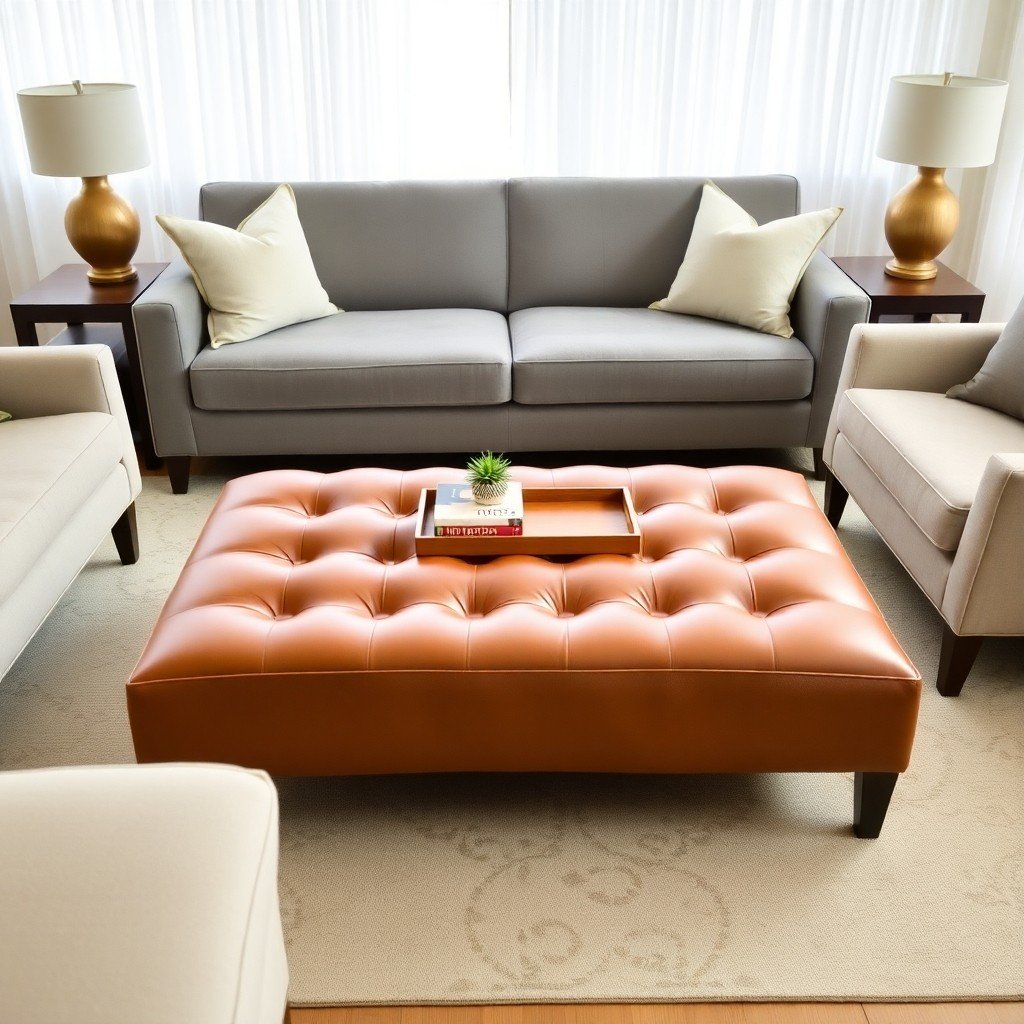
*A photorealistic image of a classic ottoman styled in a contemporary living room, demonstrating its use as both a footrest and a surface for decorative accessories.*
The Linguistic Origins of Both Spellings
The word “pouf” traces directly to French furniture terminology. In 18th-century France, a *pouf* referred to a large, padded seat or cushion, often placed in salons as informal seating. The French spelling carried into English design vocabulary, and you’ll still find it used by European manufacturers and high-end interior designers. “Poof,” on the other hand, is a phonetic variant — essentially how many English speakers naturally spell the word when they hear it pronounced. It’s more common in casual American and Australian usage, while British English tends to lean toward “pouf” or simply “ottoman.” Neither spelling is incorrect, and both will lead you to the same category of product when shopping online.
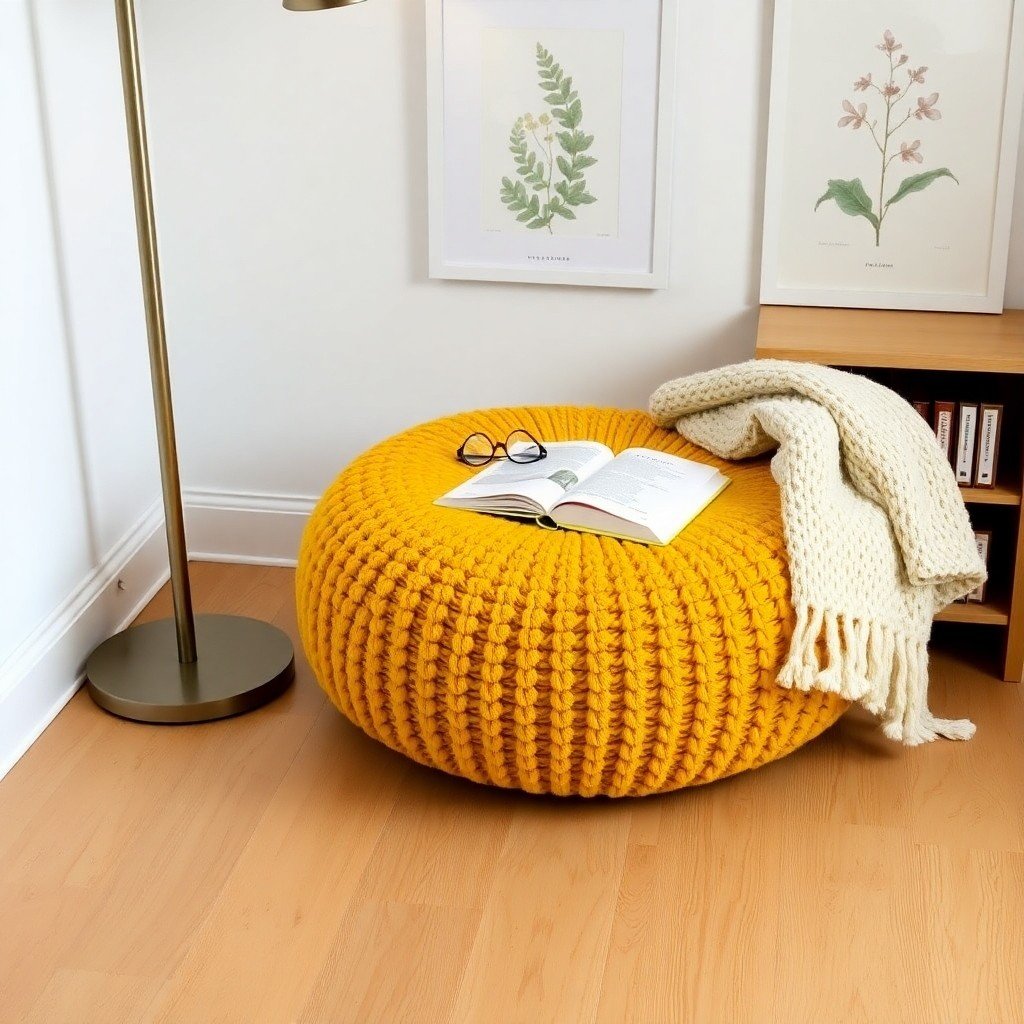
*A photorealistic image of a soft, round knitted pouf styled in a reading nook, showcasing its versatility as both seating and a surface for small items.*
How the Furniture Industry Uses Each Term
Major retailers are inconsistent, which only adds to the confusion. West Elm and CB2 predominantly use “pouf” in their product listings. Wayfair uses both interchangeably — sometimes within the same search results. IKEA generally avoids both terms, labeling similar items as “poufs,” “footstools,” or “seat cushions” depending on the collection. Etsy sellers split roughly evenly, with handmade creators choosing whichever spelling feels more natural to them. From a practical standpoint, this means you should search both terms when shopping. Searching only “pouf” might cause you to miss listings tagged as “poof,” and vice versa. Bookmark both search results pages if you’re comparison shopping — you’ll cast a wider net and potentially find better deals.
Ottoman vs. Pouf vs. Poof — Understanding the Actual Product Differences### What Defines a Traditional Ottoman
A traditional ottoman is a firmly structured piece, typically built around a wooden or metal frame and upholstered with padding and fabric or leather. Most ottomans feature a hinged or removable lid that opens to reveal interior storage — a detail that makes them one of the most multi-functional pieces of furniture you can own. They range from compact 16-inch squares to oversized 40-inch rectangles that double as coffee table substitutes. The firm, flat top surface means you can set a tray on them, stack books, or use them as a stable footrest without sinking into the cushion. If you need a piece that earns its floor space by serving multiple purposes, the traditional ottoman is hard to beat.
What Defines a Pouf/Poof
A pouf — or poof, depending on the spelling you encounter — is a soft, frameless, stuffed textile construction. There’s no internal frame, no hinges, and no storage compartment. It’s essentially a large, densely filled cushion that holds its shape through stuffing alone, whether that stuffing is polyester fiberfill, recycled foam, buckwheat hulls, or natural wool. Poufs are inherently portable; most weigh between 3 and 8 pounds, making them easy to move from room to room. They’re frequently authentic Moroccan home décor — Moroccan leather poufs are perhaps the most iconic example, hand-stitched from genuine goat or cowhide — but you’ll also find knitted, crocheted, macramé, and woven textile versions. Their role is primarily decorative or as flexible, casual seating rather than as a functional furniture anchor.
Side-by-Side Comparison
| Feature | Traditional Ottoman | Pouf/Poof |
|—|—|—|
| **Dimensions** | 16″–40″ wide, 16″–20″ tall | 14″–24″ diameter, 12″–18″ tall |
| **Weight** | 15–40 lbs | 3–8 lbs |
| **Storage** | Yes (hinged or removable lid) | No |
| **Price Range** | $40–$500+ | $25–$300+ |
| **Durability** | High (structured frame) | Moderate (depends on material) |
| **Best Use Case** | Coffee table substitute, storage, footrest | Accent seating, footrest, decorative layering |
This table gives you a quick reference, but the right choice depends entirely on what you need the piece to do in your specific space.
How to Choose Based on Your Room’s Needs### Living Room: Ottoman as a Multi-Functional Anchor
In a living room, your seating choice needs to earn its keep. A traditional ottoman works best when you need a surface for a decorative tray, a stable footrest that matches your sofa height, and hidden storage for throws, remotes, or board games. The general rule is to choose an ottoman that’s at least two-thirds the width of your sofa. For a standard 84-inch sofa, that means an ottoman around 56 inches wide — though a pair of smaller 20-inch square ottomans offers more flexibility for rearranging. Height matters too: aim for an ottoman top that’s level with or within one inch of your sofa cushion height. If your sofa seat is 18 inches off the ground, your ottoman should be between 17 and 19 inches tall for comfortable leg positioning.
Bedroom: Pouf as Accent Seating
A pouf shines in the bedroom as a soft, portable accent piece. Place one at the foot of the bed as a spot to sit while putting on shoes, or tuck a pair of knitted poufs into a reading nook for flexible extra seating when guests visit. The key criteria here are softness, portability, and aesthetic coordination with your bedding and overall palette. A handmade leather pouf in cognac or tan pairs beautifully with white linen bedding and warm wood furniture. A chunky knit pouf in cream or blush complements a cozy, layered bedroom with textured throws and pillows. Since bedroom poufs don’t need to support heavy daily use, you can prioritize appearance and tactile appeal over structural durability.
Entryway or Kids’ Room: Durability and Safety Considerations
For high-traffic or child-heavy spaces, the choice between a hard ottoman and a soft pouf comes down to safety and practicality. A pouf is the safer option for kids’ rooms — no hard edges, no pinch points from hinges, and a soft surface that won’t cause injury during rough play. Look for poufs with removable, machine-washable covers in performance fabric or cotton, since spills and sticky fingers are inevitable. Non-slip bases are another feature to prioritize; some poufs come with rubberized dots or textured bottoms that prevent sliding on hardwood or tile. In an entryway, a pouf offers a quick perch for tying shoes, but a small storage ottoman might be more practical if you need a place to stash umbrellas, gloves, or pet leashes. Consider the primary function of the space before committing.
Material and Style Guide — Matching Pouf/Poof to Your Aesthetic### Leather Poufs: The Moroccan Classic
Genuine Moroccan leather poufs are the gold standard for this category. Hand-stitched from vegetable-tanned goat or cowhide, they develop a rich patina over time that makes each piece unique. They work exceptionally well in bohemian, eclectic, or warm minimalist interiors — anywhere you want a touch of global texture without visual clutter. To keep a leather pouf looking its best, wipe it with a damp cloth and mild pH-balanced soap as needed. Every three to six months, apply a leather conditioner to prevent drying and cracking. Avoid placing leather poufs in direct sunlight for extended periods, as UV exposure can fade and brittle the hide. faux leather ottoman cover poufs are a budget-friendly alternative at $25–$50, but they won’t develop the same patina and may peel after a year or two of heavy use.
Knitted and Textured Poufs
Knitted poufs bring immediate warmth and softness to a room. They’re ideal for Scandinavian-inspired interiors, hygge-themed spaces, or any room where you want to layer tactile elements. Most knitted poufs are made from thick cotton rope, jute, or wool-blend yarn and come stuffed with a removable insert filled with recycled foam or fiberfill. The biggest practical advantage is washability — many knitted pouf covers can be unzipped and machine-washed on a gentle cycle, which makes them a smart choice for homes with kids or pets. They’re also among the lightest options, typically weighing 3 to 5 pounds, so you can easily toss one onto a bed, carry it to a patio, or rearrange your seating on a whim.
Upholstered Ottomans: The Polished Choice
When you want a piece that reads as “furniture” rather than “accessory,” an upholstered ottoman is the way to go. Traditional living rooms, mid-century modern spaces, and formal sitting areas all benefit from the structured look and feel of a fully upholstered piece. Velvet is currently the most popular fabric choice — it’s plush, light-catching, and available in rich jewel tones like emerald, sapphire, and burgundy. Linen offers a more relaxed, casual appearance but wrinkles and stains more easily. Performance fabrics (brands like Crypton, Sunbrella, and Revolution) are worth the premium if you have kids, pets, or a light-colored carpet — they resist staining, repel moisture, and can often be cleaned with bleach-based solutions without fading. For a mid-century modern aesthetic, look for an ottoman with tapered wooden legs and a tufted top in a solid color or subtle geometric print.
Budget, Sourcing, and Where to Buy### Price Ranges by Type
Budget-friendly poufs are easy to find in the $25–$60 range. Amazon, Target, and IKEA all offer solid options at this price point — typically polyester-filled with cotton or faux leather covers. These are great for testing out the look before investing in something higher quality. The mid-range bracket of $80–$200 is where you’ll find West Elm, CB2, and Etsy handmade poufs. This tier offers better materials (genuine leather, hand-dyed textiles, natural fiber stuffing) and more distinctive designs. At $250 and above, you’re entering designer and artisan territory — think genuine Moroccan leather poufs imported directly from markets in Marrakech, hand-blocked Indian block-print poufs, or custom-upholstered ottomans from furniture makers on Chairish or 1stDibs.
Where to Shop: Online vs. In-Store Trade-offs
Shopping online gives you access to a vastly wider selection, especially for handmade and international pieces. The downside is that you can’t assess softness, firmness, or true color before buying — and these details matter enormously with poufs. Read reviews carefully, paying attention to comments about whether a pouf holds its shape over time or goes flat after a few weeks. In-store shopping at places like West Elm, Crate & Barrel, or HomeGoods lets you sit on, squeeze, and physically evaluate pieces before committing. The trade-off is a much narrower selection, particularly when it comes to unique materials or handmade options. A hybrid approach works well: visit a store to determine your preferred firmness level and size, then search online for specific styles and price comparisons.
DIY Option
If you’re handy with a sewing machine or even just a needle and thread, making your own pouf is a rewarding weekend project. The basic construction is simple: sew two circular panels together, leave a stuffing opening, fill with recycled foam or polyester fiberfill, and hand-stitch the opening closed. Tutorials are abundant on YouTube and craft blogs, and the material cost for a DIY pouf typically runs $15–$30 depending on your fabric choice. This route gives you complete control over size, color, and firmness — and it’s especially appealing if you have a specific vision that you can’t find in stores.
Conclusion### Pouf vs Poof: A Guide to Choosing the Perfect Ottoman for Your Home — Quick-Reference Decision Framework
Here’s the simplest way to decide. If you need storage, a flat surface for trays or books, and a piece that anchors your seating arrangement, go with a traditional ottoman. If you want soft, portable, low-commitment accent seating that adds texture and warmth to a room, choose a pouf (or poof — the spelling doesn’t change the product). If you’re still torn, start with a pouf. It’s the lower-risk purchase: typically cheaper, easier to move, and simpler to style into an existing room without disrupting your layout. You can always add a storage ottoman later if you find you need more functionality.
Both spellings lead to the same category of product, so don’t let the terminology slow you down. Revisit the comparison table above, match your room’s specific needs to the right type of piece, and buy with confidence.
FAQ Section
**Q1: Is a pouf the same as a poof?**
Yes — both “pouf” and “poof” refer to the same soft, frameless footstool or accent seat. “Pouf” is the traditional French-derived spelling, while “poof” is a phonetic variant common in casual English usage. Neither is incorrect, and both will lead you to the same products when shopping.
**Q2: Can a pouf be used as an ottoman?**
A pouf can substitute for an ottoman as a footrest or casual seat, but it lacks the storage compartment and firm, flat surface of a traditional ottoman. If you need to set drinks, books, or a tray on top, a structured ottoman is the better choice.
**Q3: What size pouf should I get for my living room?**
A standard pouf is 18 to 24 inches in diameter and 12 to 18 inches tall. For a living room, choose a diameter proportional to your seating — an 18-inch pouf works well alongside a standard sofa, while a 24-inch pouf makes a stronger visual statement in a larger space.
**Q4: Are poufs comfortable for sitting?**
Poufs work well for casual, short-term seating — perching while putting on shoes, seating for children, or extra spots during a gathering. They lack back support and the firm, even surface of a structured ottoman, so they’re not ideal for extended sitting.
**Q5: How do you clean a leather pouf?**
Wipe the surface with a damp cloth and mild pH-balanced soap as needed. Condition the leather every three to six months with a quality leather conditioner to prevent drying and cracking. Avoid harsh chemical cleaners, direct sunlight, and excessive moisture.
**Meta Description:** Confused about pouf vs poof? This guide clarifies the terminology and helps you choose between an ottoman and a pouf with room-by-room tips and a buying guide.