Introduction: The Allure of Authentic Moroccan Craftsmanship
The Moroccan leather pouf is a timeless piece that transforms a room with its warm, organic texture and artisanal charm. However, the market is flooded with mass-produced imitations that mimic the look but lack the soul, durability, and ethical integrity of the real thing. This guide provides a definitive framework for Real vs Fake Moroccan Leather Pouf: How to Spot Difference, empowering you to make an informed, confident purchase.recettesdumaroc.com
Key Takeaways
- Authentic Moroccan poufs are vegetable-tanned, resulting in an earthy, natural scent and a supple texture that softens beautifully with age.
- Hand-stitching with waxed thread is a hallmark of authenticity, while uniform, machine-made stitches indicate mass production.
- A genuine leather pouf will have natural grain variations and imperfections, whereas fakes often feature embossed or printed patterns.
- Price is a reliable indicator: authentic artisan poufs command a higher price due to the labor-intensive tanning and crafting process.
- Supporting authentic craftsmanship ensures ethical labor practices and a significantly longer product lifespan.kenzadi.ma
Real vs Fake Moroccan Leather Pouf: How to Spot Difference
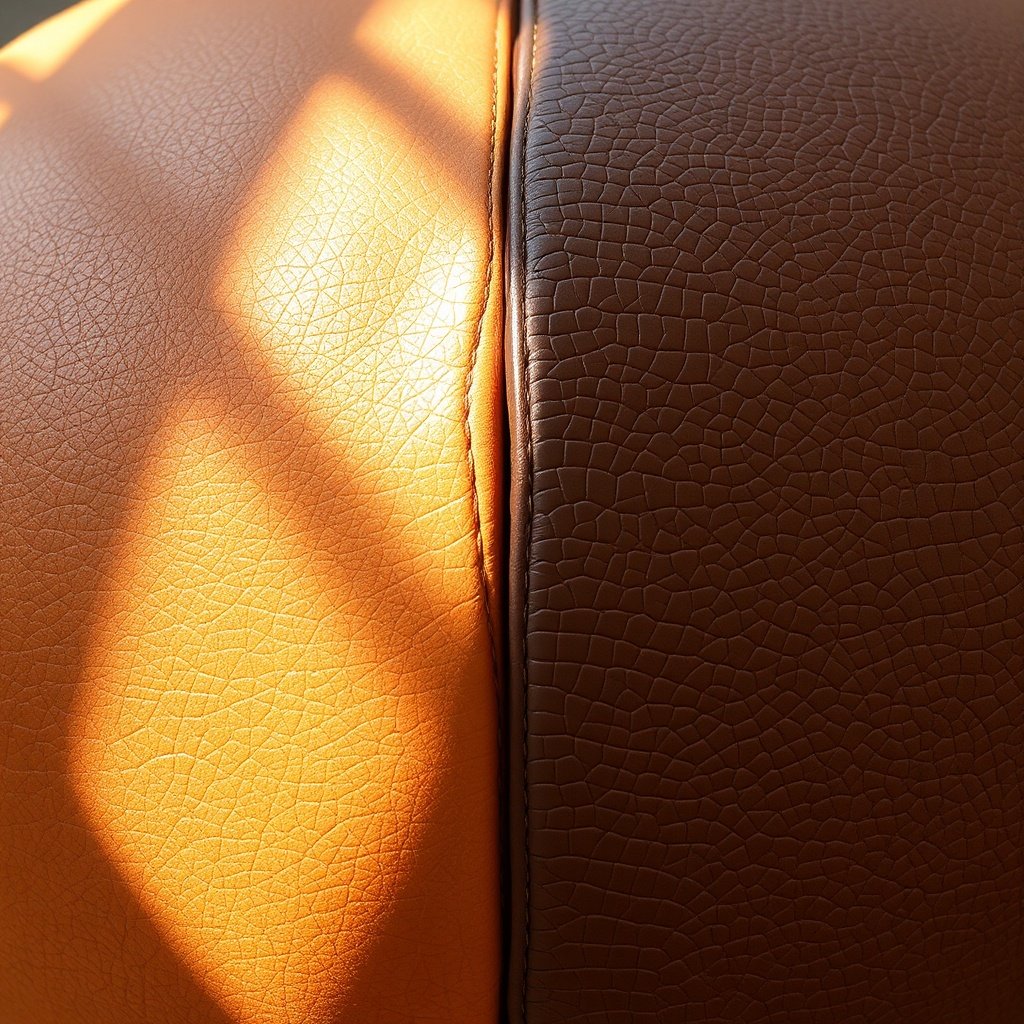
This close-up split view reveals the telltale material and stitching differences that separate genuine artisan craftsmanship from mass-produced replicas. The definitive answer lies in the convergence of the tanning method, sensory profile, and structural construction. Real Moroccan leather is tanned using traditional vegetable methods and hand-stitched by artisans, creating a unique, organic product. Fakes rely on chrome tanning, machine stitching, and synthetic coatings to replicate the appearance cheaply.beniouaraincarpets.com | Feature | Authentic Moroccan Leather Pouf | Fake / Mass-Produced Pouf | | :— | :— | :— | | Tanning Method | Vegetable-tanned (natural bark, leaves) | Chrome-tanned (chemical salts) | | Smell | Earthy, woody, subtly sweet | Chemical, plastic-like, or synthetic | | Touch | Soft, supple, warm to the touch | Stiff, cool, or plasticky | | Stitching | Irregular, hand-stitched with waxed thread | Uniform, machine-stitched with synthetic thread | | Surface | Natural grain, visible pores, unique imperfections | Embossed, printed, or coated to hide flaws | | Aging | Develops a rich patina, softens over time | Peels, cracks, or hardens with age | | Price | Higher, reflecting artisan labor and materials | Lower, reflecting mass production | | Interior | Cotton lining, natural stuffing | Synthetic lining, polyurethane foam |
The Tanning Process: Vegetable vs. Chrome
The tanning method is the foundational difference. Vegetable tanning is a slow, ancient process using natural tannins from tree bark and plants, taking considerably longer to complete. Chrome tanning is a rapid chemical process using chemical salts, which is cheaper and faster but produces a harsher, less breathable material. Authentic poufs are typically made from full-grain leather, whereas fakes may use bonded leather—a composite of leather scraps and synthetic binders—or entirely synthetic polyurethane.
Definition: Vegetable tanning is a traditional method of preserving animal hides using natural tannins derived from tree bark and plant materials, resulting in a durable, breathable, and environmentally friendly leather.
This distinction directly impacts the leather’s smell, texture, and longevity.
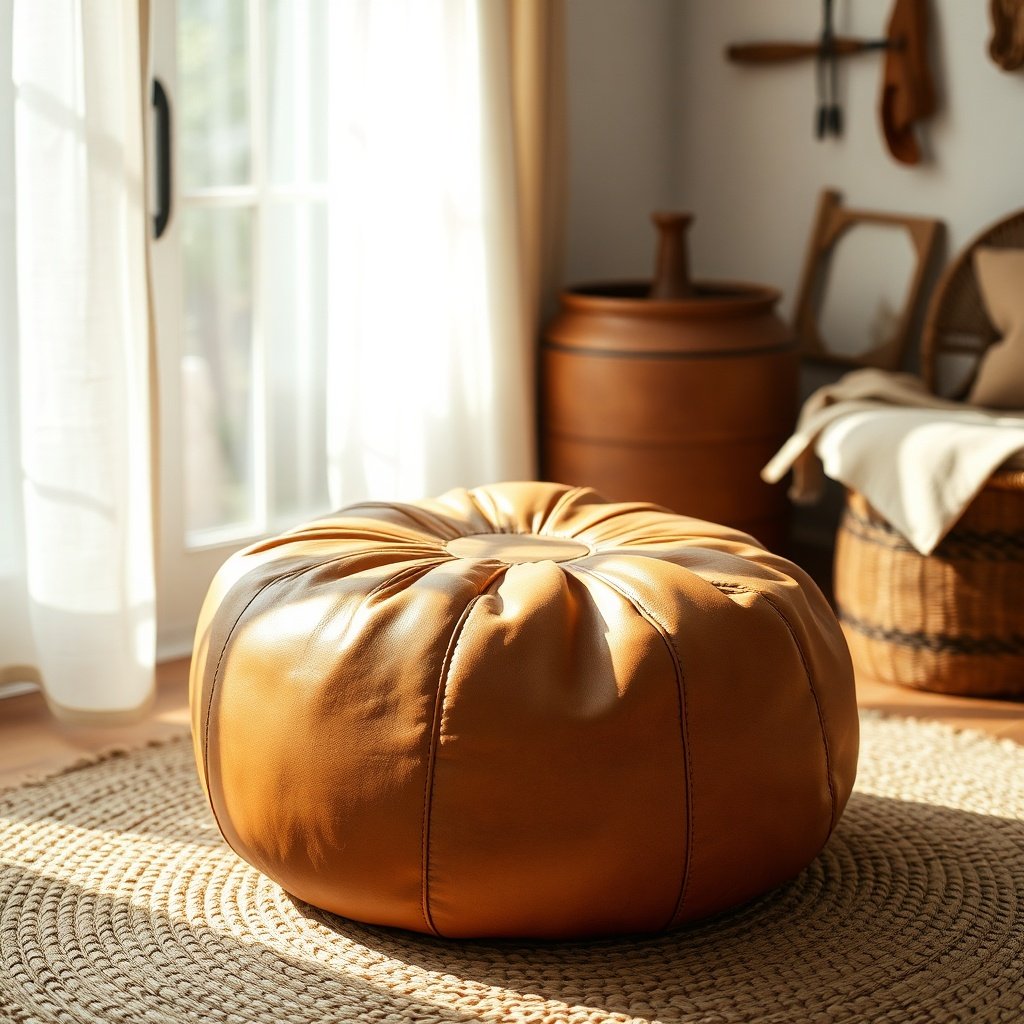
True Moroccan leather pieces showcase unique imperfections and artisanal construction that elevate any living space while honoring centuries-old craftsmanship.
The Price and Sourcing Logic
Authentic poufs are made by skilled artisans, often in family workshops in cities like Marrakech or Fès. The labor-intensive process and high-quality materials justify a higher price point. Conversely, mass-produced fakes are manufactured in factories with synthetic materials, allowing for significantly lower prices. Understanding this economics is your first line of defense against counterfeit products.
Quick Answer: Authentic Moroccan poufs cost more because they require vegetable tanning, hand-stitching, and natural materials. A price that matches a synthetic footstool is a clear sign of a fake.
The Sensory Test: Smell, Touch, and Visual Texture
Your senses are your most powerful tools for verification. A genuine leather pouf engages your sense of smell, touch, and sight in ways that synthetic imitations cannot replicate.
Quick Answer: Genuine Moroccan leather smells earthy and woody, feels soft and warm, and shows natural grain variations. Fake leather smells chemical, feels stiff or plasticky, and has a uniform, embossed pattern.
The Smell Test: Earthy Scents vs. Chemical Odors
Vegetable-tanned leather has a distinct, earthy, and woody aroma, reminiscent of a natural forest or a traditional workshop. It is a subtle, pleasant scent. In contrast, chrome-tanned or coated leather often emits a sharp, chemical, or plastic-like odor, sometimes masked by strong artificial fragrances. This smell test for genuine Moroccan leather is one of the most reliable indicators you can use. Trust your nose—it rarely lies about leather.
The Touch Test: Suppleness and Temperature
Real leather is soft and supple, yielding easily to pressure. It feels warm to the touch because it is a natural, breathable material. Fake leather, often made from polyurethane or PVC, tends to feel stiff, cool, or even sticky. It may also have a uniform, artificial slickness. Press your finger into the surface; authentic leather will show subtle, natural wrinkles that fade, while fakes often show a distinct, sharp crease that snaps back unnaturally.
The Visual Test: Natural Grain vs. Embossed Patterns
Examine the surface closely. Genuine leather features an irregular, organic grain with natural pores, veins, and minor imperfections. These variations are the signature of a natural hide. Just as a Beni Ourain rug is prized for its distinct wool texture, authentic Moroccan leather has a unique, organic grain that cannot be replicated by synthetic materials. Fakes often use embossed or printed patterns to simulate a uniform “leather” look, resulting in a repetitive, artificial texture. Look for the absence of natural pores and the presence of a raised, plastic-like coating. This pore structure inspection for leather authenticity is a key differentiator.
The Structural Anatomy: Stitching, Zippers, and Interior Lining
A pouf’s construction reveals the truth of its origin. The quality of stitching, hardware, and interior materials provides concrete, observable evidence of authenticity.
Quick Answer: Authentic poufs feature irregular hand-stitching with waxed thread, heavy metal zippers, and a cotton lining. Fakes have uniform machine stitching, flimsy plastic zippers, and synthetic interiors.
Stitching: The Hand-Stitched Signature
Authentic Moroccan poufs are traditionally hand-stitched using thick waxed cotton thread. This results in slightly irregular, organic stitch lines that vary in tension and spacing. Machine-stitched fakes are characterized by perfectly uniform, tight, and evenly spaced stitches using synthetic thread. Look closely at the corners and seams where hand-stitching naturally becomes more irregular. These authentic hand-stitched details on a pouf are a strong sign of genuine craftsmanship.
Zippers and Hardware: The Hidden Clues
The zipper is a critical detail. Authentic poufs typically use high-quality, substantial metal zippers, often with a heavy-duty pull tab. The zipper track is usually recessed and covered by the leather when closed. Fakes often use lightweight, plastic zippers that are flimsy and may be exposed or poorly integrated into the leather.
Interior Lining and Stuffing
While harder to inspect, the interior provides conclusive evidence. Authentic poufs are lined with a sturdy cotton canvas and stuffed with natural materials like wool or cotton. Fakes may use synthetic linings, polyurethane foam, or even recycled plastics. If you can unzip the pouf, a genuine piece will have a clean, natural interior, while a fake may reveal cheap, synthetic materials or a strong chemical smell. This backing fabric analysis of a fake pouf can be a decisive test.
The Sourcing and Price Logic: Why Authentic Costs More
Understanding the market dynamics and production costs is essential for avoiding overpriced fakes or underpriced imitations. The economics of artisan work is a transparent window into authenticity.
The Economics of Artisan Production
Each authentic pouf is a labor of love, with the process including sourcing raw hides, vegetable tanning, hand-cutting, hand-stitching, and finishing. This immense manual labor, combined with the cost of natural materials, establishes a high base price. When a price seems too low, it is almost certainly a fake.
Price Floors and Red Flags
While exact prices vary by region and seller, there is a logical floor below which an authentic pouf cannot be sold. If a seller offers a “genuine Moroccan leather pouf” at a price comparable to a synthetic footstool, the product is not genuine. Be wary of sellers who cannot explain the tanning process or the origin of the leather. This price comparison real vs faux leather pouf is a useful starting point.
Direct from Source vs. Mass-Market Retail
Buying directly from a trusted artisan or a reputable cooperative in Morocco offers the best guarantee of authenticity. However, many reputable importers exist who are transparent about their sourcing. Mass-market retail chains, on the other hand, prioritize profit margins and are more likely to stock synthetic imitations. Always research the seller’s sourcing story. This origin verification for Moroccan leather goods is crucial.
The Ethical and Sustainability Dimension: Why Authenticity Matters Beyond Aesthetics
Choosing an authentic pouf is not just about aesthetics; it is a decision that impacts communities, the environment, and the lifespan of your furniture.
Supporting Artisan Communities
Authentic Moroccan poufs are crafted by skilled artisans who have passed down their trade through generations. By purchasing a genuine piece, you directly support these family workshops and help preserve a rich cultural heritage. Fakes are mass-produced in factories, often under questionable labor conditions, and undermine the artisan economy.
Environmental Impact of Tanning Methods
Vegetable tanning is a natural, low-impact process that uses renewable resources and produces less pollution. Chrome tanning, on the other hand, generates toxic waste that can contaminate water sources. Choosing vegetable-tanned leather supports more sustainable practices.
Longevity and Waste Reduction
A genuine leather pouf is an investment that can last for decades, developing a beautiful patina and softening with age. It is a piece that can be re-stuffed or repaired. A fake pouf will likely crack, peel, or tear within a few years, ending up in a landfill. This durability comparison between genuine and synthetic poufs shows that authentic craftsmanship is inherently more sustainable because it reduces waste over time.
The Verification Process: A Step-by-Step Guide to Testing Your Pouf
If you have a pouf in hand or are inspecting one before purchase, follow this systematic checklist to confirm its authenticity.
Step-by-Step Verification Checklist
- Smell it: Bring the pouf close to your nose. A genuine piece will have an earthy, natural scent. A chemical or plastic odor is a major red flag.
- Touch it: Press your palm flat against the surface. Real leather feels warm, supple, and slightly textured. Fake leather feels cool, stiff, or plasticky.
- Inspect the grain: Look closely at the surface under natural light. Look for natural pores, scars, and variations in the grain. A perfectly uniform, repetitive pattern indicates an embossed synthetic.
- Check the stitching: Examine the seams. Look for irregular, hand-stitched lines with waxed thread. Perfectly uniform machine stitching is a hallmark of mass production.
- Examine the zipper: Unzip the pouf. A heavy, substantial metal zipper is a good sign. A flimsy plastic zipper is a warning sign.
- Look inside: If possible, inspect the interior lining and stuffing. A clean cotton lining and natural stuffing indicate authenticity, while synthetic foams and linings suggest a fake.
Common Counterfeit Techniques to Watch For
Counterfeiters are becoming more sophisticated. Be aware of techniques like using a thin layer of real leather over a synthetic base, or spraying chemical scents to mimic the smell of natural leather. Always rely on a combination of tests rather than a single indicator.
Frequently Asked Questions
How can I tell if my leather pouf is real?
Use the sensory and structural tests. Check the smell (earthy vs. chemical), the touch (supple vs. stiff), the stitching (hand vs. machine), and the price. A combination of these indicators will give you a definitive answer.
Is a real Moroccan leather pouf expensive?
Yes, authentic poufs are more expensive than fakes due to the labor-intensive vegetable tanning and hand-stitching processes. However, they are a durable investment that lasts for decades.
What does a fake leather pouf smell like?
Fake leather poufs typically have a chemical, plastic-like, or synthetic odor, often resulting from chrome tanning or the use of polyurethane coatings. This smell is distinct from the earthy, natural scent of vegetable-tanned leather.
Can I use water to test if the leather is real?
A common test is to place a small drop of water on the surface. Real leather will absorb the water and darken slightly, while fake leather will repel it or have the water bead up on the surface. However, always test on an inconspicuous area to avoid damage. This water drop test on a leather pouf is a useful supplementary check.
Final Thoughts: Investing in Authentic Moroccan Craftsmanship
Distinguishing a real Moroccan leather pouf from a fake is a matter of paying attention to the details. By understanding the tanning process, engaging your senses, examining the construction, and considering the economic and ethical implications, you can make a purchase that you will cherish for years. An authentic pouf is not just a piece of furniture; it is a piece of art, a story of craftsmanship, and a sustainable choice. Invest in the real thing, and you will be rewarded with a beautiful, durable, and ethical addition to your home.
Conclusion
Mastering the art of distinguishing Real vs Fake Moroccan Leather Pouf: How to Spot Difference is your key to making a wise, long-term investment. By combining the sensory tests—smell, touch, and grain inspection—with structural checks like stitching, zipper quality, and interior lining, you can confidently navigate the market. Remember, no single indicator is foolproof; rely on the full suite of tests to protect yourself from sophisticated counterfeits. Authentic poufs may cost more upfront, but they reward you with decades of beauty, durability, and ethical craftsmanship that mass-produced fakes simply cannot match. Now that you know the secrets, put them to work. Visit your local artisan market or trusted online store, and use these techniques to select a pouf that truly tells a story. Don’t settle for a cheap imitation—invest in genuine Moroccan artistry and elevate your home with a piece that will age gracefully. Your perfect authentic pouf is waiting.