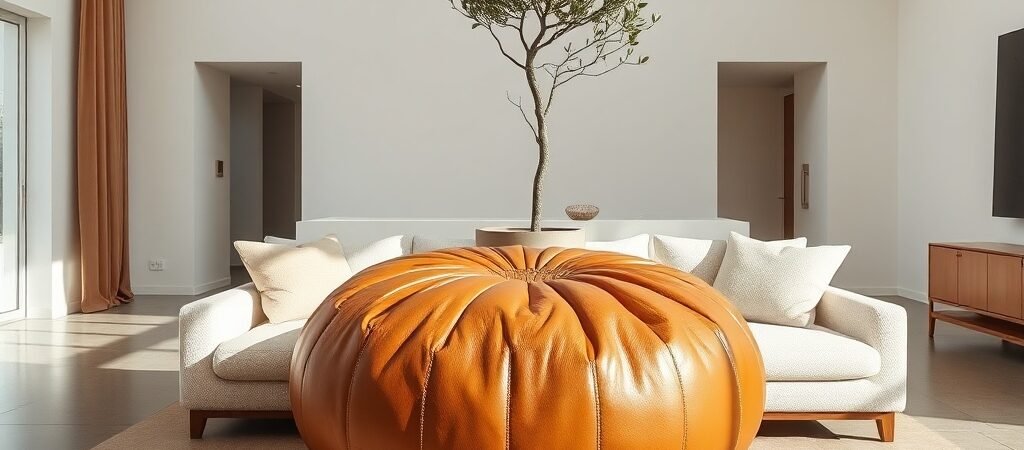
Styling Moroccan Poufs in Modern Interiors 2026
Styling Moroccan Poufs in Modern Interiors 2026 requires focusing on the balance between artisanal texture and minimalist form. These versatile accents have evolved beyond their bohemian roots to become essential sculptural elements in contemporary homes. You can successfully integrate them by prioritizing contrast and proportion, using the pouf to break up rigid linear furniture while maintaining a cohesive color story. The current design landscape values warmth and tactility, making the handcrafted nature of these pieces perfect for adding character to sleek spaces.
The resurgence of modern boho decor has brought global craftsmanship back into the spotlight, but with a refined twist. In 2026, the emphasis is on curation rather than accumulation. You are no longer filling a room with random artifacts; you are selecting specific statements that carry weight and history. The Moroccan pouf fits this narrative perfectly, offering a functional yet artistic solution to the coldness often associated with modernism. As 2026 interior design trends shift toward sustainable and meaningful decor, these poufs serve as a bridge between the past and the present, grounding futuristic interiors with human touch.
Key Takeaways
- Moroccan poufs serve as multifunctional sculptural elements that bridge the gap between rigid modern furniture and cozy living.
- In 2026, the trend favors mixing authentic leather with sustainable vegan alternatives like boucle and recycled velvet.
- Placement is key to defining zones in open-concept layouts without relying on walls or bulky dividers.
- Styling requires balancing the intricate craftsmanship of the pouf with clean, simple lines to avoid visual clutter.
The Definitive Approach to Styling Moroccan Poufs in Modern Interiors 2026
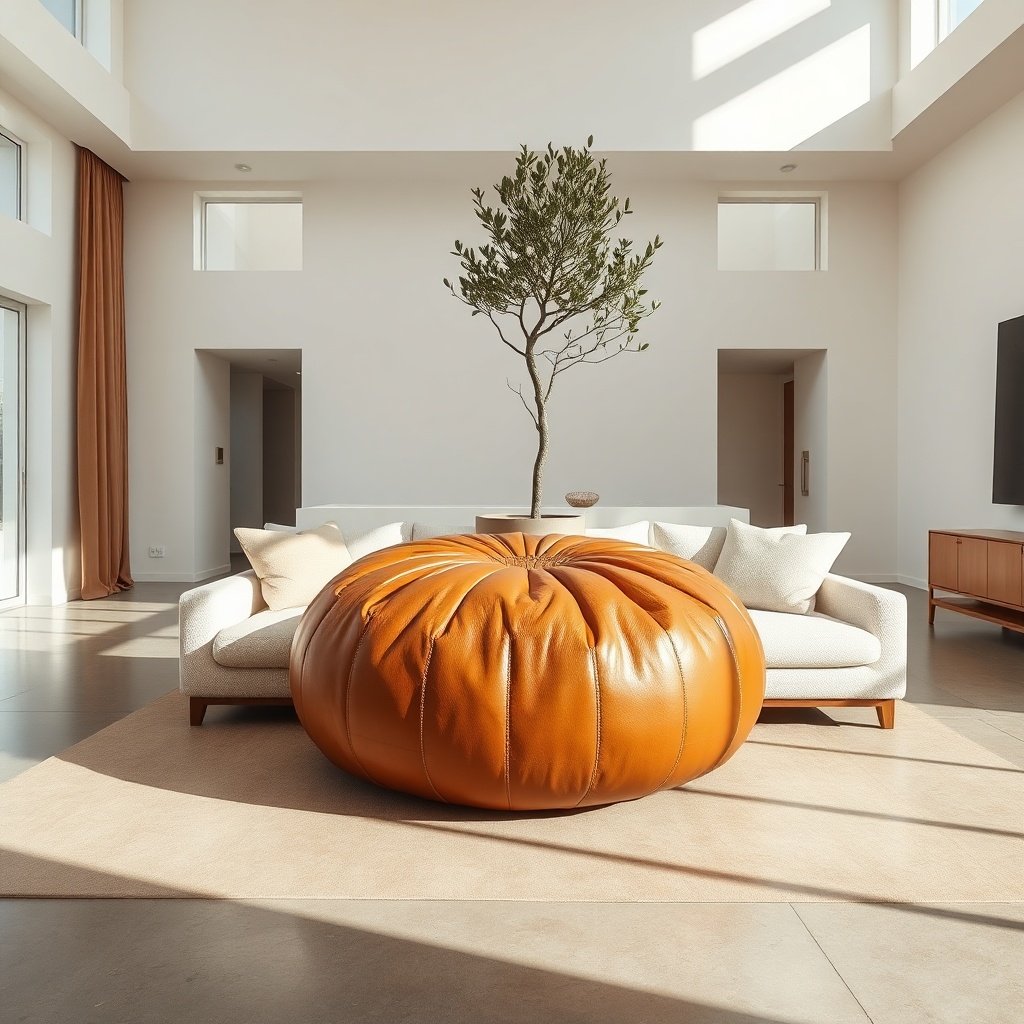
A lifestyle shot demonstrating how to use leather poufs to add warmth to a sleek, contemporary living space.
The secret to mastering Styling Moroccan Poufs in Modern Interiors 2026 lies in using them as tools of visual contrast. You should view the pouf not just as extra seating, but as a geometric counterpoint to the straight lines of a sectional or a rectangular coffee table. The round or cylindrical shape of the pouf softens the sharp edges typical of minimalist home decor. To achieve this, you must pay attention to scale. A tiny pouf will look lost next to a deep, low-profile sofa, while an oversized pouf can overwhelm a delicate armchair. Aim for a pouf height that matches the seat height of your surrounding furniture, usually between 14 and 16 inches, to maintain visual continuity.
Quick Answer: How many poufs should I use in a living room?
For a balanced look, follow the Rule of Three. Group one large pouf with two smaller ones, or place two identical poufs at angles to your main sofa. This creates a cohesive cluster that feels intentional rather than cluttered.
Negative space is your ally when Styling Moroccan Poufs in Modern Interiors 2026. You must resist the urge to overcrowd the area. Give the pouf “breathing room” so it stands out as a distinct object. If you have a large living area, float a pouf in the center of the conversation circle rather than pushing it against a wall. This approach treats the piece as an island of comfort, inviting interaction and highlighting its floor seating arrangements modern appeal. When styling, ensure the pouf does not block traffic flow but rather sits comfortably within the walking path, ready to be moved or used as needed.
Utilizing Poufs as Low-Profile Sculptural Art
When not actively used for seating, a Moroccan pouf functions as a low-profile sculptural art object. You can capitalize on this by placing a pouf in a vacant corner that feels unfinished. The intricate embroidery or rich texture of the pouf draws the eye, completing the room’s visual composition without adding vertical bulk. This technique is particularly effective in rooms with low ceilings where tall plants or statues might feel oppressive. Treat the pouf as a jewelry piece for the floor—something that catches the light and adds a layer of sophistication.
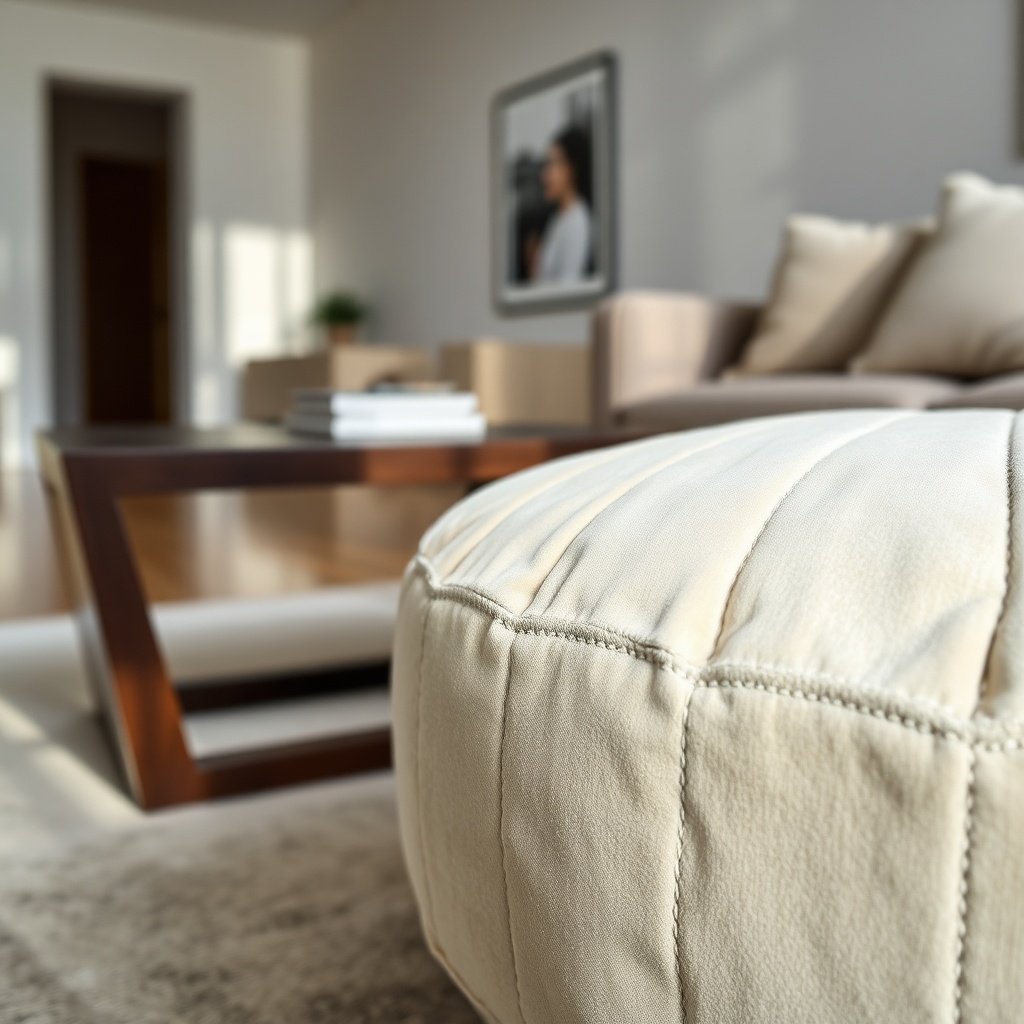
A detail shot highlighting the interplay of textures between artisanal poufs and modern furniture.
Balancing Ornate Stitching with Clean Lines
The beauty of embroidered leather poufs often lies in their complex, hand-stitched geometric patterns. To prevent these patterns from creating visual noise, you must pair them with solid-colored, sleek furniture. If your sofa features a bold print or heavy texture, opt for a solid-colored leather or fabric pouf. Conversely, if your furniture is a solid neutral like beige or grey, a pouf with detailed saber stitching becomes the focal point. This interplay ensures the craftsmanship shines without competing with other elements in the room.
Material Evolution: Styling Moroccan Poufs in Modern Interiors 2026 with Leather, Boucle, and Sustainable Textures
The landscape of Styling Moroccan Poufs in Modern Interiors 2026 has expanded significantly beyond traditional leather. While the classic vintage leather look remains popular, 2026 sees a massive surge in tactile fabrics like boucle, heavy linen, and recycled velvet. These materials align with the growing demand for textured home accessories that invite touch. A cream-colored boucle pouf, for example, can soften a room dominated by glass and metal, introducing a “Quiet Luxury” aesthetic that feels understated yet expensive. These fabric options also offer a different visual weight, often appearing lighter and airier than their leather counterparts.
Durability and maintenance have also evolved. While traditional hide requires conditioning, modern fabric poufs often come with removable covers or stain-resistant treatments, making them suitable for high-traffic areas. When mixing textures contemporary furniture, consider the pile of the fabric. A high-pile boucle adds a fuzzy, warm element, whereas a flat-woven cotton offers a crisp, clean look. Sustainable furniture trends are driving this material shift, with homeowners increasingly seeking out organic cottons and plant-based leathers that align with their eco-conscious values without sacrificing style.
Mixing Vegan Leathers with Authentic Hide
Creating an eclectic yet conscious look is easier than ever with the advent of high-quality vegan leather home decor. You can mix a cactus leather pouf, which offers a similar grain to animal hide, with a vintage leather chair. The key to making this mix work is to match the tone and sheen rather than the material source. If your vegan leather has a matte finish, pair it with a vintage leather piece that has patinated to a similar softness. This blend tells a story of evolution in design, respecting the past while embracing the future of ethical manufacturing.
Layering Rugs and Poufs for Tactile Depth
Placement relative to flooring is critical for maximizing impact. You should place poufs on high-pile rugs or jute to add a layer of texture that is visually grounding. A pouf sitting directly on a hardwood floor can look like an afterthought, but one placed partially on a rug creates a “layered” aesthetic that designers love. This technique adds tactile depth to the room. For instance, a Handmade Pompom Blanket, Throw Blanket, Pom Pom Blanket, Boho Blanket, Bed Cover, Warm Blanket, Cozy Blanket (White with pom White, King (U.S. Standard)) on a dark, textured Moroccan runner creates a stunning contrast that highlights the weave of both items. Ensure the rug color complements the pouf—either by matching tones for a monochromatic look or using opposing colors for a bold statement.
Definition: Quiet Luxury
A design philosophy characterized by understated elegance, high-quality materials, and neutral color palettes. It focuses on the intrinsic value of the item rather than flashy logos or overt ornamentation.
Strategic Placement for Open-Concept Living
Open-concept homes continue to dominate architecture in 2026, presenting the challenge of defining zones without walls. Poufs act as subtle visual markers that separate dining areas from lounging zones. Because they are low to the ground, they do not obstruct light or sightlines, making them superior to tall dividers. You can arrange a cluster of poufs to denote the edge of a living space, effectively creating a border that the eye recognizes. This is a crucial strategy for open floor plan decor, allowing you to maintain a sense of flow while distinguishing specific functional areas.
In studio apartments, flexibility is paramount. Here, poufs serve as movable, temporary dining seating or side tables that can be repositioned based on immediate needs. When styling a studio, consider using a lightweight, flat-topped pouf that can easily transition from a footrest to a coffee table or extra seat for dinner guests. This adaptability is essential for small apartment space optimization. By using poufs instead of bulky armchairs, you keep the floor plan open and airy, making the room feel larger while retaining necessary functionality.
Creating Intimate Conversation Nooks
Large, open rooms can feel impersonal. You can create intimacy by arranging two poufs facing each other across a low coffee table or a woven tray. This setup creates an instant conversation circle within the larger room, signaling a smaller, cozy zone for chatting or reading. To enhance this effect, ensure the poufs are positioned close enough to the table to allow guests to set down a drink, but far enough apart to allow comfortable legroom. This arrangement breaks the monotony of a “floating” furniture layout and creates a purposeful destination within the expanse of the room.
Entryway Functionality and Flow
The entryway sets the tone for the home. Using a flat-t woven pouf here provides a practical drop zone for bags or a seat for removing shoes. In 2026 interiors, the entryway is transitioning from a pass-through space to a functional “mudroom” moment, even in urban apartments. A durable leather or canvas pouf can withstand the wear and tear of daily use while adding a welcoming touch. Style it with a small mirror or a piece of wall art above to create a vignette. Ensure the pouf is placed off to the side so it does not block the door swing, maintaining both utility and flow.
2026 Color Palettes: Earthy Neutrals and Bold Jewels
Color selection is pivotal when Styling Moroccan Poufs in Modern Interiors 2026. The year is defined by “Earthy Modernism,” a palette that draws inspiration from the natural world. You should look for poufs in warm beiges, terracottas, and soft clays. These colors blend seamlessly with the warm wood tones and plaster walls popular in current design. However, color is also used for impact. A sage green pouf can provide a refreshing pop against a charcoal sofa, while a burnt orange pouf creates a vibrant focal point on a cream rug. The goal is to either integrate the pouf into the existing neutral color palette accents or use it as a deliberate contrast.
Quick Answer: What color pouf works best for a small room?
In a small room, choose a pouf color that matches your flooring or largest piece of furniture. This continuity creates a seamless visual flow that tricks the eye into perceiving more space, avoiding the “chopped up” look of contrasting colors.
If you prefer a bold approach, jewel tones are making a significant comeback. Deep indigos, emeralds, and amethysts can anchor a light, airy room. These colors carry visual weight, drawing the eye and adding gravity to the space. When using bold colors, keep the surrounding patterns simple to let the pouf sing. This approach fits perfectly with modern color trends that embrace individuality and maximalist accents within minimalist frameworks. Whether you choose a subtle earth tone or a rich jewel, ensure the color resonates with the room’s overall lighting and mood.
The Monochromatic Layering Technique
Sophistication often lies in subtlety. The monochromatic layering technique involves selecting a pouf in the same color family as your flooring or sofa but a slightly different shade. For example, if you have a light grey sofa, a dark charcoal pouf adds depth without introducing a new color. This creates a rich, layered look that is cohesive and calming. It is a high-impact styling trick used by eclectic interior design 2026 experts to make a room feel curated and expensive. The key is to vary the texture so the shades don’t blend into a flat blob; a leather grey pouf on a wool grey rug provides the necessary differentiation.
Using Jewel Tones as Anchors
A single deep-colored pouf can act as an anchor in a room dominated by whites or pastels. If your living room feels too airy or lacks a focal point, a deep emerald or saffron yellow pouf can ground the space. This technique draws the eye downward, centering the room’s layout. When using jewel tones, consider the metallic finishes in the room. A brass lamp paired with a sapphire blue pouf creates a luxurious, regal feel. This strategy is effective for adding personality to neutral spaces without committing to a large piece of colorful furniture.
Embracing the trends of the upcoming season allows you to transform a simple room into a curated sanctuary. Whether you are leaning into the calming influence of monochromatic layering or seeking to make a statement with rich jewel tones, the right accent piece can redefine your living space. Styling Moroccan Poufs in Modern Interiors 2026 is all about balancing texture, color, and function to create a home that feels both intentional and lived-in. By following these contemporary design principles, you can effortlessly blend traditional craftsmanship with cutting-edge aesthetics. Are you ready to revitalize your home decor? Explore our latest collection of handcrafted Moroccan poufs today and find the perfect piece to anchor your modern interior!
FAQ
How do I choose the right color for a small living room? To make a small room feel larger, select a pouf in a color that matches your flooring or largest piece of furniture. This creates a seamless visual flow that prevents the space from looking cluttered or “chopped up.”
Can I mix patterns with a patterned Moroccan pouf? Yes, but balance is key. If you choose a pouf with intricate patterns, keep the surrounding textiles (like rugs or pillows) relatively simple to ensure the room doesn’t feel overwhelming.
What is the benefit of monochromatic layering? Monochromatic layering uses different shades of the same color to add depth and sophistication to a room. By varying the textures—such as pairing a leather pouf with a wool rug—you create a rich, high-end look that feels cohesive and calm.
How can I use a pouf to create a focal point? Use a bold jewel tone, such as emerald green or sapphire blue, to act as an anchor in a neutral room. A high-contrast color draws the eye and adds visual weight, helping to center the layout of your space.
Looking for the perfect addition to your home? Check out our Kenzadi.com collection. If you want something truly special, consider our Genuine Leather Pouf Stuffed Handmade Stitched in Marrakech by Moroccan Artisans (Blue by Beige) or our elegant Moroccan Leather Pillow, Blue traditional Throw Pillow Case by MyPoufs.com.