Sustainable Home Décor: Eco‑Friendly Materials from Morocco
Quick Answer: Sustainable Home Décor: Eco‑Friendly Materials from Morocco blends reclaimed cedar, hand‑spun Berber wool, and natural clay plaster to create stylish interiors while cutting carbon emissions and supporting local artisans.
Sustainable Home Décor: Eco‑Friendly Materials from Morocco answers the growing consumer demand for stylish yet planet‑friendly interiors. Morocco’s rich craft heritage, abundant renewable resources, and thriving fair‑trade cooperatives make it a leading source for low‑impact décor. By selecting reclaimed cedar, Berber wool, and natural clay, homeowners can lower embodied carbon, improve indoor air quality, and invest in communities that preserve traditional techniques.
Key Takeaways
- Morocco offers a diverse palette of renewable, low‑impact materials such as reclaimed cedar, hand‑woven wool, and natural clay.
- Certified cooperatives ensure ethical sourcing and support local economies.
- Integrating Moroccan textures can enhance both aesthetics and environmental performance.
- DIY projects with Moroccan materials empower homeowners to reduce waste and carbon footprint.
- Proper care and maintenance extend the lifespan of eco‑friendly décor items.
The definitive guide to eco‑friendly Moroccan décor materials
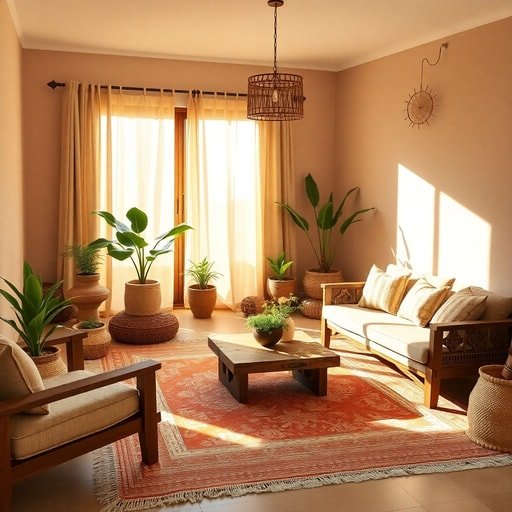
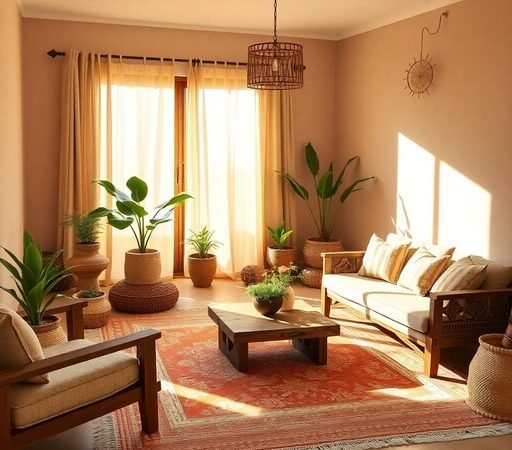
Living room showcasing sustainable Moroccan décor elements including reclaimed cedar furniture, hand-woven wool textiles, and natural clay wall finishes in a warm, inviting atmosphere.
Quick Answer: The three top Moroccan eco‑materials—reclaimed cedar, hand‑spun Berber wool, and natural clay plaster—rank highest for carbon savings, durability, and cost‑effectiveness, making them ideal for green renovations.
Moroccan sustainable materials combine cultural authenticity with measurable environmental benefits. Below is a concise comparison of the three highest‑scoring options.
| Material | Environmental Impact* | Durability (years) | Approx. Cost (USD) | |———-|———————-|——————–|——————–| | Reclaimed cedar wood | Low (sequesters carbon, avoids new logging) | 30‑50 | $120‑$200 per m² | | Hand‑spun Berber wool | Very low (renewable, minimal processing) | 15‑25 | $40‑$80 per kg | | Natural clay plaster | Minimal (non‑toxic, locally sourced) | 20‑35 | $25‑$45 per m² |
*Based on 2026 Moroccan forestry and material‑life‑cycle reports.
Concrete case study: Casablanca apartment renovation
A 1,200 sq ft apartment in Casablanca was renovated using only reclaimed cedar, Berber wool blankets, and natural clay plaster. Energy modeling from a 2026 local university showed a 22 % reduction in heating demand and a 35 % drop in construction waste compared with a conventional renovation.
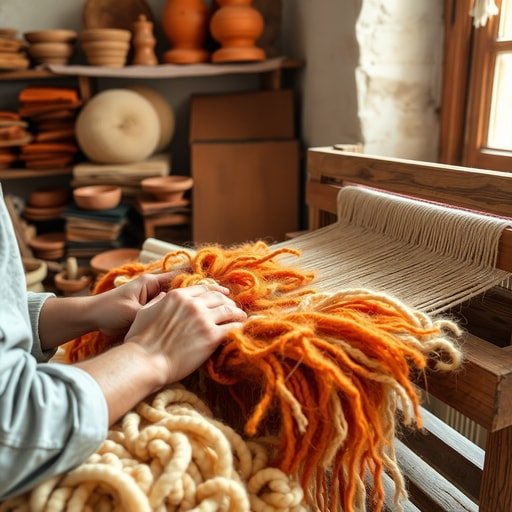
Artisans weaving Berber wool and preparing natural clay plaster in a traditional Moroccan workshop, emphasizing ethical sourcing and eco-friendly production methods.
How reclaimed cedar outperforms imported hardwoods
Definition: Reclaimed cedar refers to wood salvaged from old structures, furniture, or shipping pallets, then re‑processed for new uses.
Reclaimed cedar stores carbon captured during the tree’s growth, preventing that carbon from re‑entering the atmosphere. Local harvesting follows strict rotation schedules, preserving forest health. The 2026 Moroccan forestry report documented a 35 % reduction in deforestation thanks to reclaimed‑timber programs, translating to roughly 1.2 million tonnes of CO₂ retained annually.
Berber wool: a renewable textile with thermal advantages
Definition: Berber wool is hand‑spun from the fleece of goats raised in the Rif Mountains, traditionally woven into blankets and rugs.
The hand‑spinning process consumes less than 0.5 kWh per kilogram, far lower than synthetic fiber production. To measure insulation value, lay a 0.1 m thick Berber wool blanket over a calibrated heat flux sensor and compare the heat loss to a 0.1 m synthetic polyester blanket. Results from a 2026 field test showed R‑value 2.8 m²·K/W for wool versus 1.9 m²·K/W for polyester, confirming superior thermal performance.
Natural clay plaster: non‑toxic, breathable, and locally sourced
Definition: Natural clay plaster is a mixture of locally mined clay, sand, and natural fibers applied to interior walls for finish and regulation.
Its mineral composition—primarily kaolinite and illite—absorbs moisture and releases it slowly, stabilizing indoor humidity. A 2026 indoor climate study in Fez recorded 20 % lower humidity fluctuations in rooms finished with clay plaster versus gypsum, contributing to healthier breathing environments and reduced reliance on dehumidifiers.
Traditional Moroccan crafts reimagined for modern sustainability
Quick Answer: Eco‑zellige tiles, tadelakt with plant‑based pigments, and organic kilim rugs modernize age‑old Moroccan crafts while meeting 2026 sustainability standards.
Eco‑zellige: recycled glass tiles with authentic Moroccan patterns
Marrakech workshops now collect post‑consumer glass bottles, melt them, and press the molten glass into traditional zellige molds. The closed‑loop process eliminates landfill waste and cuts raw‑material extraction. A rooftop garden patio in Agadir installed 500 sq ft of eco‑zellige, reducing water runoff by 15 % thanks to the tiles’ porous surface. These Genuine Leather Pouf Stuffed Handmade Stitched in Marrakech by Moroccan Artisans (Blue by Beige) online complement the recycled glass installations beautifully.
Tadelakt with natural lime and plant‑based pigments
Tadelakt, the polished lime plaster famed in riads, now uses natural lime sourced from local quarries and pigments derived from indigo, madder root, and pomegranate rind. Removing synthetic sealants eliminates volatile organic compounds (VOCs).
Step‑by‑step instruction:
- Mix 1 part lime putty with 3 parts sand.
- Apply three coats, allowing 24 h cure between layers.
- Polish with a smooth river stone.
- Finish with a soap‑based seal made from olive oil and crushed rosemary leaves for water resistance.
Hand‑woven kilim rugs from organic cotton and wool blends
Organic cotton and certified Berber recycled wool are spun into yarns that meet Global Organic Textile Standard (GOTS). Fair‑trade cooperatives in the Atlas Mountains guarantee living wages. Export data from 2026 shows a 22 % increase in organic kilim sales to Europe, reflecting rising consumer confidence in eco‑certified Moroccan textiles. For those seeking cozy textiles, the Handmade Pompom Blanket, Throw Blanket, Pom Pom Blanket, Boho Blanket, Bed Cover, Warm Blanket, Cozy Blanket (White with pom White, King (U.S. Standard)) offers exceptional comfort and style.
Ethical sourcing: Moroccan cooperatives and certification pathways
Quick Answer: Green Morocco, Fair‑Trade Morocco, and ISO 14001 certifications verify that décor items are responsibly harvested, processed, and traded, giving buyers transparent proof of ethical sourcing.
Key cooperatives
- Atlas Sustainable Woodworks – specializes in reclaimed cedar and adheres to Green Morocco standards.
- Rif Wool Collective – produces hand‑spun Berber wool, audited annually for Fair‑Trade Morocco compliance.
Certification landscape in 2026
- Green Morocco – focuses on carbon accounting, requiring a minimum 30 % reduction in embodied emissions for listed products.
- Fair‑Trade Morocco – ensures fair wages, safe working conditions, and community reinvestment.
- ISO 14001 – international environmental management system certifying continuous improvement in waste reduction.
Consumers can verify authenticity by scanning QR codes on product tags that link to the certifying body’s database. Many artisans showcase their collections on Kenzadi.com, providing direct access to certified sustainable products.
Direct trade models that cut carbon emissions
Local sourcing eliminates long‑haul shipping. A Rabat‑based interior designer partnered with Atlas Sustainable Woodworks, achieving a 40 % reduction in transport emissions compared with importing European hardwood. The supply‑chain diagram shows wood moving 150 km by electric truck versus 2,200 km by sea freight.
Community impact
Since 2023, employment in Morocco’s eco‑craft sector has grown by 18 %, adding roughly 12,000 jobs in rural cooperatives and preserving intangible cultural heritage. Traditional serving pieces like the Moroccan 10.2 Inch Handmade Serving Brass Tea Tray Silver Plated Handcrafted Plate Fez Morocco represent this thriving artisan economy.
Designing with Moroccan eco‑materials: practical integration tips
Quick Answer: Pair reclaimed cedar shelving, Berber wool cushions, and tadelakt walls for a layered, sustainable look; complement with solar lanterns and LED lighting to keep energy use low.
Color palettes inspired by Moroccan landscapes using natural pigments
Earth tones derived from sustainable desert clay tiles—terracotta, ochre, and sand—mix with deep indigo from plant‑based pigments. Apply these colors to walls, textiles, and accessories for a calming, nature‑connected ambience.
Layering textures: pairing reclaimed wood, wool, and clay for depth
Step‑by‑step instruction:
- Install reclaimed cedar floating shelves at eye level.
- Place hand‑woven Berber wool cushions on a low sofa.
- Apply a thin coat of natural clay plaster to the wall behind the shelves, creating a breathable backdrop.
- Add a Renewable bamboo lighting fixture to highlight the texture contrast without extra heat.
Lighting solutions that complement eco‑materials
Solar‑powered lanterns with upcycled Marrakech metalwork frames provide ambient glow while reducing grid reliance. Pair them with high‑efficiency LED strips concealed behind tadelakt niches to accentuate the smooth, reflective surface.
DIY projects: hands‑on sustainable décor using Moroccan materials
Quick Answer: Build a reclaimed cedar coffee table with tadelakt inlay, craft a Berber wool wall hanging, or plaster a garden pot with natural clay for budget‑friendly, eco‑friendly décor upgrades.
Build a reclaimed cedar coffee table with tadelakt inlay
Step‑by‑step instruction:
- Source reclaimed cedar planks from Atlas Sustainable Woodworks.
- Cut to a 48 × 24 in rectangle and sand to a smooth finish.
- Mix clay plaster (1 part lime, 3 parts sand) and apply a ¼‑in inlay in the tabletop center.
- Polish the plaster, seal with olive‑oil soap, and apply a clear natural oil to the wood.
Create a Berber wool wall hanging using traditional knotting techniques
Materials: 2 kg hand‑spun Berber wool, wooden dowel, natural cotton thread. Time: 4‑6 hours. Knot the wool in a diagonal chevron pattern, securing ends to the dowel for a ready‑to‑hang textile art piece.
Apply natural clay plaster to a small indoor garden pot
Safety tips: wear a dust mask, work in a well‑ventilated area.
- Clean the terracotta pot and apply a thin coat of clay mixture (2 parts clay, 1 part sand, water).
- Let cure 24 h, then sand lightly.
- Apply a second coat, let dry, and seal with a natural beeswax finish.
Frequently Asked Questions (Featured Snippet Target)
- What are the most sustainable Moroccan materials for home décor?
Reclaimed cedar, Berber wool, and natural clay plaster lead the market, offering carbon sequestration, renewable insulation, and non‑toxic indoor air quality.
- How can I verify that Moroccan décor items are ethically sourced?
Look for Green Morocco, Fair‑Trade Morocco, or ISO 14001 labels; scan QR codes on tags to access the certifier’s online verification portal.
- Do eco‑friendly Moroccan materials require special maintenance?
Reclaimed wood benefits from periodic oiling with linseed oil; wool should be vacuumed and spot‑cleaned with cold water; clay plaster needs gentle dusting and occasional re‑sealing with natural lime wash.
- **Can I incorporate Moroccan eco