
Sustainable Living: Tips for a Greener Home

The climate crisis isn’t a future scenario—it’s happening now, and your home plays a dual role as both a source of emissions and a platform for solutions. The average American household generates **48 tons of carbon dioxide each year**, so the everyday choices you make inside your four walls matter more than ever. Good news: you don’t need a full‑scale renovation or a massive budget to cut your footprint. Simple actions—like sealing drafts, swapping light bulbs, or adjusting your shopping habits—stack up to create measurable impact. As environmental scientist **Dr. Maria Rodriguez** explains, “The most profound transformations happen when we start with what’s immediately within our control.” Below are practical, data‑backed strategies you can implement today.
Energy‑Smart Renovations: Turning Your Home into a Low‑Carbon Powerhouse
Transforming your home into an energy‑efficient sanctuary starts with pinpointing where energy is lost. A blend of quick fixes and longer‑term upgrades ensures every dollar spent maximizes environmental return.
Conduct a DIY Home Energy Audit
Start with a systematic walkthrough and a printable checklist.
* Feel for drafts by holding a lit candle near windows and doors on a windy day; a flickering flame signals air leakage.
* In the attic, check whether joists are visible—if they are, you likely need additional insulation.
* In the basement, run a hand along exterior walls; cold spots indicate missing insulation.
* Track your electric meter during peak‑usage evenings to identify the biggest drains (e.g., older refrigerators or space heaters).
Record each observation in a spreadsheet, noting priority, estimated cost, and expected savings. Sealing gaps typically costs **under $200** and can shave **10‑20 %** off heating bills. Many utility companies provide free audit templates; the U.S. Department of Energy also offers a downloadable guide that breaks the process into weekend‑size projects.
Upgrade Insulation & Windows for Maximum Savings
Modern insulation outperforms traditional fiberglass batts. For example, **spray‑foam insulation** delivers **R‑6.0 to R‑7.0 per inch**, compared with **R‑2.2‑4.3** for fiberglass, though it costs **$1.50‑$3.50 / ft²** versus **$0.30‑$1.50 / ft²**. Prioritize the attic, where heat loss is greatest. Adding **R‑38** insulation over an existing **R‑11** layer can reduce heating costs by **up to 25 %**.
When it comes to windows, **double‑pane units with low‑E coatings** cut energy loss by **15‑30 %** versus single‑pane glass. Their typical payback period ranges from **8 to 12 years** in colder climates. If full replacement isn’t feasible, install **cellular shades** that add an **R‑2** value at a fraction of the cost. Targeting the most leaky areas first yields a higher return than a whole‑home overhaul.
Harness Renewable Power on a Budget
Solar options have diversified beyond rooftop panels.
* **Community solar** lets you subscribe to a shared array for an upfront cost of **$500‑$2,000**, delivering **5‑15 %** monthly savings on your utility bill.
* **Solar leases** require no upfront payment but provide lower long‑term savings because the leaseholder retains the tax credits.
* If your roof receives ample sun, purchasing a system outright can achieve a **6‑9‑year payback** in high‑insolation states such as Arizona or Southern California.
Check the **Federal Investment Tax Credit (ITC)**, which covers **30 %** of installation costs through 2032. Also, explore state‑specific rebates and net‑metering policies that credit excess generation at retail rates—these incentives dramatically improve ROI.
Zero‑Waste Kitchen Makeover: Cutting Food Waste & Plastic Use
The kitchen accounts for nearly **40 %** of household waste, making it the prime battleground for waste reduction. Small, systematic changes lower your environmental impact and shrink grocery bills.
Master Meal Planning & Smart Shopping
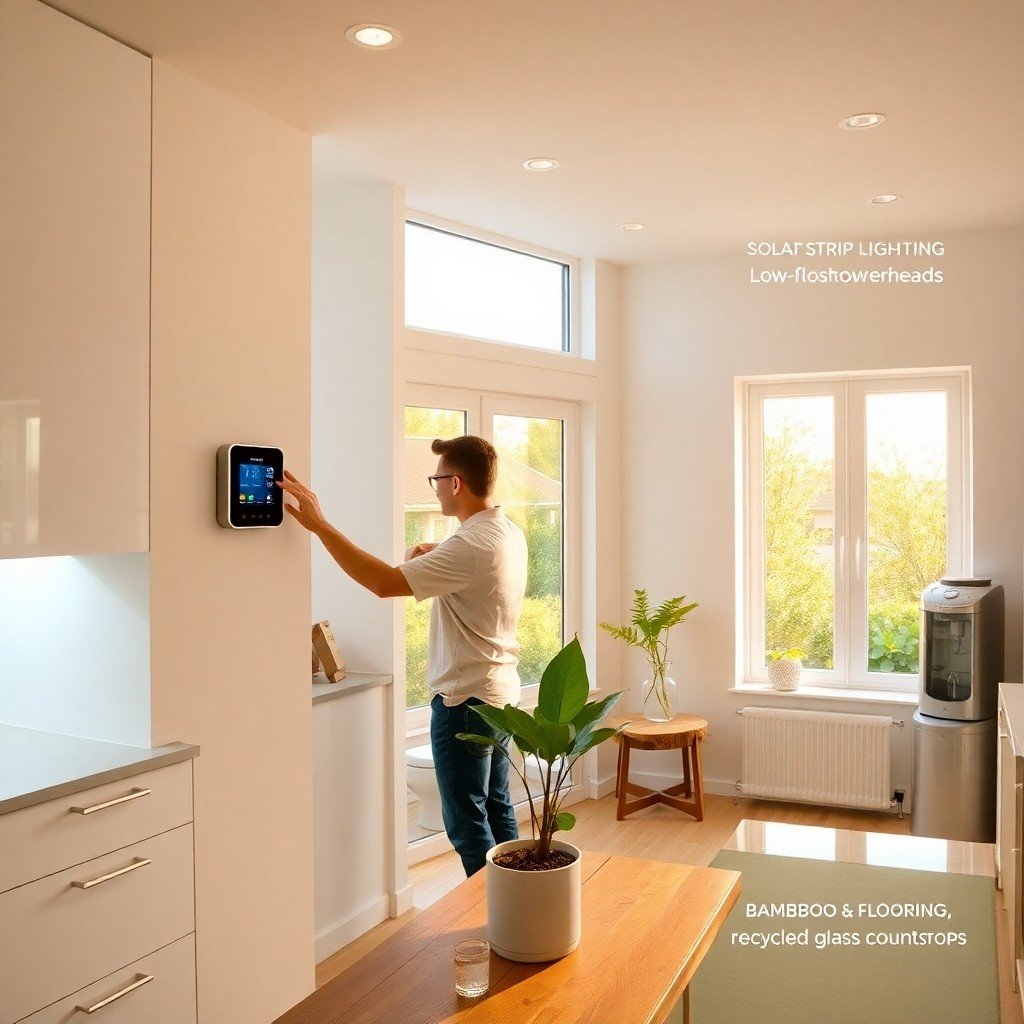
The average family discards **$1,500** worth of food each year. Reduce waste by:
1. Creating a weekly meal matrix that repeats core ingredients (e.g., quinoa, roasted vegetables) across several dishes.
2. Writing a grocery list organized by store aisles; shoppers who follow a list buy **23 %** fewer impulse items.
3. Using the **FIFO** (first‑in, first‑out) method—place new produce behind older items to keep everything fresh.
4. Purchasing grains, nuts, and spices in bulk and storing them in **airtight glass jars**; studies show glass preserves freshness **30 %** longer than original packaging and eliminates single‑use plastic.
Spend **30 minutes** each Saturday prepping vegetables and portioning proteins. This habit prevents forgotten produce from spoiling and speeds up weekday cooking.
Switch to Reusable Storage & Cookware
Reusable containers pay for themselves quickly:
* A set of **12 glass mason jars** with rubber gaskets costs **$12‑$18** and replaces **$15‑$25** worth of disposable plastic containers each year.
* **Silicone storage bags** endure up to **5 years** of repeated use, eliminating thousands of single‑use sandwich bags.
* **Beeswax wraps**—crafted from organic cotton and tree resin—create airtight seals for cheese and bread, are naturally antimicrobial, and compost after **18 months**.
* **Stainless‑steel lunch containers** with compartments survive microwave and dishwasher cycles, reducing daily plastic wrap consumption.
Most households recoup these costs within **8 months** through lower grocery and disposable‑container expenses.
Composting Inside the Home
Indoor composting lets you divert food scraps without a backyard. Options include:
* **Bokashi bins**, which use beneficial microbes to ferment waste into a nutrient‑rich liquid fertilizer within **2 weeks**; they occupy only **2 sq ft** of countertop space.
* **Worm farms** that convert fruit peels and coffee grounds into concentrated compost tea for houseplants, operating silently under the sink.
* **Electric composters** such as the FoodCycler, which reduce waste volume by **90 %** and kill pathogens while consuming **0.5‑1 kWh** per day.
Maintain a balanced carbon‑to‑nitrogen ratio by alternating brown materials (e.g., shredded paper, cardboard) with green waste (vegetable scraps, tea bags). Harvest finished compost every **4‑6 weeks** and apply it to potted plants or community garden beds, cutting **30 %** of your household waste stream.
Eco‑Friendly Home Décor: Styling Without the Environmental Cost
Beautiful interiors don’t have to compromise the planet when you prioritize sustainable sourcing and creative reuse. Thoughtful décor choices lower embodied carbon while showcasing personal style.
Choose Materials with a Low Carbon Footprint
* **Bamboo** reaches harvest maturity in **3 years**, making it **15 times** more renewable than traditional hardwoods.
* **Reclaimed wood** salvaged from barns or factories carries **70 %** lower embodied energy than new lumber and adds unique character.
* **Recycled‑metal furniture** utilizes post‑industrial waste, requiring **75 %** less energy than virgin aluminum production.
* **Organic cotton textiles** are grown without synthetic pesticides, reducing water contamination and supporting healthier farming communities.
Explore responsibly sourced pieces from reputable artisans such as kenzadi.com/handcrafted Moroccan home décor. For authentic, ethically crafted rugs, consider authentic Berber designs that use natural wool and traditional weaving techniques.
Upcycle and Repurpose Existing Items
Before buying new, evaluate what you already own:
* Turn an old wooden ladder into a rustic bookshelf by adding brackets and paint.
* Refinish vintage metal crates with chalk paint for stylish storage solutions.
* Use fabric scraps to create custom cushion covers, reducing textile waste by up to **60 %**.
These DIY projects not only save money but also prevent additional manufacturing emissions.
Conclusion: Take the First Step Today
Sustainable living at home is a series of incremental wins—each draft sealed, each bulb swapped, each meal planned, and each piece of décor chosen with care adds up to a healthier planet and a healthier wallet. Start with the **quick‑win audit** this week, then schedule one medium‑term upgrade (such as attic insulation) for the next month. Share your progress on social media or with neighbors to inspire a community ripple effect.
Ready to make a difference? Pick one tip from each section, implement it over the next 30 days, and watch your energy bills drop while your carbon footprint shrinks. Your greener home begins now.