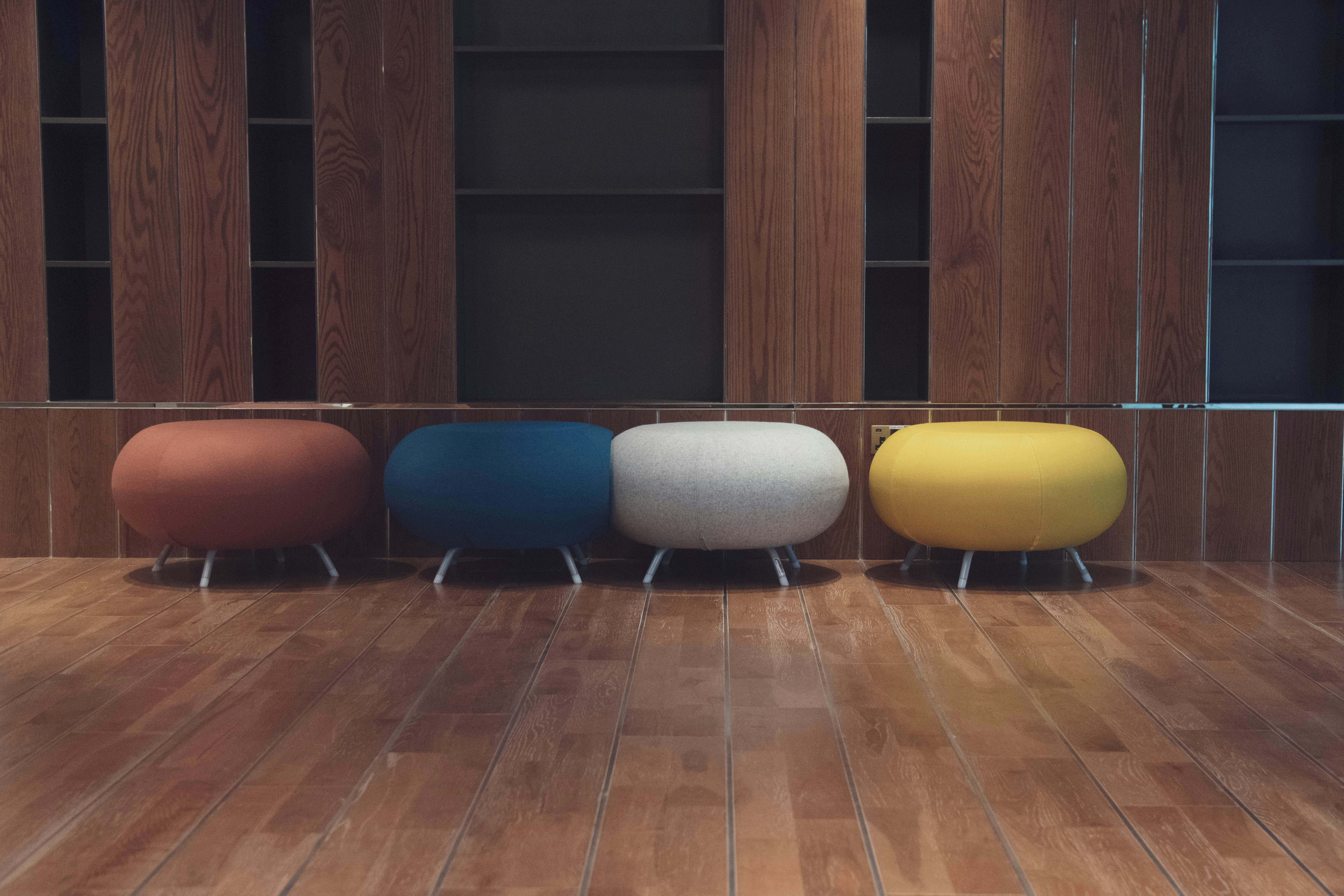
Introduction to Moroccan Poufs
Moroccan poufs, with their striking designs and rich cultural heritage, have captured the attention of interior designers and decor enthusiasts around the world. Traditionally crafted by skilled artisans in Morocco, these poufs serve not only as functional furniture but also as decorative pieces that reflect the vibrant history and artistry of Moroccan craftsmanship. Often made from leather or fabric, each pouf showcases intricate stitching and traditional motifs, contributing to its unique character.
The origins of Moroccan poufs can be traced back to the Berber tribes of North Africa, where they were created as versatile seating options for gatherings and social events. Their design has evolved over the years, gaining popularity outside of Morocco, particularly as modern interiors blend cultural elements from various parts of the world. The rise in the appreciation for ethnic and handcrafted items in home decor has catapulted these poufs to the forefront, where they are admired for both their practicality and aesthetic appeal.
As more individuals seek to incorporate unique and meaningful pieces into their homes, Moroccan poufs have emerged as a beloved choice that complements various interior styles. Whether placed in a bohemian-inspired living room or a minimalist space, these poufs add warmth, texture, and a touch of the exotic. Their adaptability in different settings makes them a sought-after choice for both residential and commercial designs, appealing to a wide audience who value artistic expression in furnishings.
The increasing popularity of Moroccan poufs can also be attributed to their eco-friendly production methods, as many artisans utilize sustainable materials and traditional techniques to create each piece. This commitment to craftsmanship not only supports local economies in Morocco but also resonates with consumers who prioritize ethical and sustainable decor choices.
Types of Moroccan Poufs
Moroccan poufs are a versatile and stylish addition to any home decor, available in various forms that cater to different needs and preferences. The primary types of Moroccan poufs include leather poufs, stuffed poufs, and outdoor pouf ottomans, each boasting unique features and applications.
Leather Poufs are perhaps the most iconic among the trio. Often handcrafted from high-quality leather, these poufs exude elegance and durability. Their rich textures and natural colors can enhance the aesthetic of any living space. Typically filled with firm materials, they provide excellent support for seating. The leather also ages beautifully, developing a unique patina over time. Due to their luxurious appearance, leather poufs are ideal for indoor settings, such as living rooms or dens where style is paramount.
Stuffed Poufs offer a softer and more casual seating option. These poufs are generally made from fabric and generously filled with materials like cotton or polyester. Their lightweight nature allows for easy mobility, making them perfect for children’s play areas or casual lounging. They come in an array of patterns and colors, enabling the user to select one that best matches their decor. Stuffed poufs are particularly useful in informal settings or as additional seating during gatherings, where comfort is key.
Outdoor Pouf Ottomans, as the name suggests, are designed for use in outdoor environments. Constructed from weather-resistant materials, these poufs can withstand elements such as rain and sun. They are often lighter and more portable than their indoor counterparts, making them ideal for patios or gardens. Outdoor pouf ottomans typically feature vibrant colors and patterns, adding a playful touch to outdoor spaces. Their functionality extends beyond seating, serving as a convenient side table or footrest while enjoying an outdoor gathering.
Materials Used in Moroccan Poufs
Moroccan poufs are celebrated for their unique craftsmanship and aesthetic appeal, often serving as versatile decor pieces in homes. The materials used in their construction significantly impact their durability, comfort, and maintenance ease. Predominantly, these poufs are crafted from leather, cotton, and other textiles.
Leather, particularly the high-quality varieties sourced from Morocco, is one of the most popular materials for poufs. Not only does it impart an authentic look, but it also offers exceptional durability. Leather poufs can withstand the test of time with proper care, developing a beautiful patina that enhances their character. They are relatively easy to clean; a simple wipe with a damp cloth can remove dust and stains, making them an ideal choice for high-traffic areas.
Cotton is another widely used material in the manufacturing of Moroccan poufs. It offers a softer texture that provides comfort and ensures breathability. Cotton poufs are often more affordable than their leather counterparts and are available in various colors and patterns, making them suitable for diverse interior styles. However, they might require more extensive upkeep, as they can absorb stains more readily, necessitating periodic washing or spot cleaning.
Other textiles, such as wool and hemp, are also employed in making Moroccan poufs. Wool, known for its warmth and insulation properties, brings a cozy element, while hemp is valued for its eco-friendliness and durability. Each material has its strengths, with wool providing comfort and hemp offering resilience for outdoor use.
Ultimately, the choice of material in Moroccan poufs influences their functionality and aesthetic, allowing consumers to select the perfect fit for their needs and environment. Whether one opts for the luxury of leather, the comfort of cotton, or the durability of alternative textiles, a Moroccan pouf is a stylish addition to any living space.
Styling Tips for Incorporating Moroccan Poufs
Moroccan poufs are versatile decorative elements that can enhance various home environments with their unique texture and vibrant colors. When styling with poufs, it is essential to consider the overall aesthetic of the space and how these pieces can complement existing decor.
In living rooms, poufs can serve as attractive footrests or additional seating. Placing a leather pouf in front of a coffee table creates a cozy atmosphere while adding a touch of bohemian flair. To achieve a balanced look, incorporate the pouf’s colors into other elements in the room, such as throw pillows or artwork, ensuring cohesion throughout the space. For smaller living rooms, a stylish pouf can double as a side table; simply place a tray on top to hold beverages or decorative items.
In bedrooms, Moroccan poufs can serve as unique bedside tables or occasional seating. Choosing a stuffed pouf with bright patterns can introduce a pop of color against neutral bedding. Position the pouf beside the bed for easy access while reading or relaxing. Additionally, grouping poufs with a small armchair can create a comfortable nook for unwinding with a book.
Outdoor areas also benefit significantly from Moroccan poufs. Durable leather options are suitable for patios or balconies, offering stylish seating solutions for outdoor gatherings. These poufs can be paired with colorful textiles, such as patterned cushions or blankets, to create an inviting and cohesive seating arrangement. To add to the ambiance, consider integrating poufs around fire pits, where they can serve as both functional seating and decorative accents.
Incorporating Moroccan poufs into various settings involves thoughtful positioning and color coordination. By thoughtfully selecting poufs that resonate with your home’s decor style, these versatile pieces can effortlessly elevate your interior and exterior spaces.
The Advantages of Leather Moroccan Poufs
Leather Moroccan poufs have gained significant popularity due to their remarkable elegance and undeniable durability. These handcrafted pieces are not only functional but also serve as stunning decorative elements that enhance the aesthetic of any living space. Leather is a natural material known for its strength and resilience; thus, a leather pouf promises longevity while maintaining its original charm over time. The rich texture of the leather adds depth to a room, making it a versatile choice for various interior designs.
When selecting the perfect leather pouf, one should consider several factors that contribute to both style and functionality. The color of the pouf is crucial; neutral tones such as beige, tan, or cream provide a timeless appeal, while bold colors like deep red or navy blue can create a striking focal point in a room. Additionally, consider the leather’s finish. A matte surface offers a more understated look, whereas a glossy finish can elevate a decor style to modern sophistication.
Design is another essential consideration. Leather poufs come in various shapes and styles, from traditional round poufs to more contemporary geometric designs. Assess the existing decor of the space to ensure a cohesive integration of the pouf into your design scheme. Whether you prefer intricate embroidery or a sleek, minimalist look, there is a leather pouf that can suit your preferences.
Opting for a genuine leather pouf ensures not only an attractive piece of furniture but also an investment in quality. With proper care, leather poufs can age beautifully, developing a unique patina over time. In essence, leather Moroccan poufs represent an ideal blend of elegance and practicality, making them a sought-after choice for homeowners looking to enhance their interiors.
Exploring Stuffed Moroccan Poufs
Stuffed Moroccan poufs are a delightful addition to any living space, known for their comfort and versatile designs. Unlike their leather counterparts, which are often more rigid and formal, stuffed poufs tend to be softer and more casual, making them an inviting option for relaxation and social gatherings.
The comfort provided by stuffed poufs is undeniable. Typically filled with soft materials like cotton or polyester, these poufs offer a plush seating experience that is perfect for lounging. They can serve multiple purposes – from providing extra seating during family gatherings to acting as footrests or decorative elements in a room. Their lightweight nature makes them easy to move around, allowing users to effortlessly rearrange their living areas according to their needs.
In comparison to leather poufs, which are celebrated for their durability and classic aesthetic, stuffed poufs excel in providing a more relaxed vibe. Leather options can sometimes feel formal or rigid, while stuffed varieties can be styled to match a wide range of casual atmospheres, from bohemian to modern. They are also available in various colors and patterns, appealing to diverse tastes and interior designs.
Optimal usage scenarios for stuffed Moroccan poufs include cozy movie nights, where their soft construction allows for comfortable seating on the floor, or as a playful addition in children’s play areas. Additionally, these poufs can serve as accent pieces in multiple rooms, seamlessly integrating with furniture and decor without overwhelming the space. Given their versatility, stuffed poufs can easily transition from indoor settings to outdoor spaces, provided they are made with appropriate materials, making them a perfect fit for patios and gardens.
Choosing the Right Outdoor Pouf Ottoman
Outdoor pouf ottomans are a stylish and functional addition to any patio or garden space, offering versatile seating options and serving as decorative accents. When selecting an outdoor pouf, there are several critical factors to consider to ensure that your choice aligns with your aesthetic preferences and the environment it will inhabit.
First and foremost, the material of the pouf is paramount. Outdoor poufs need to endure various weather conditions, so materials such as waterproof fabrics or treated leather are ideal. Look for options made from synthetic fibers like acrylic or polyester, as these resist fading, mold, and mildew, making them suitable for prolonged use in outdoor settings. The durability of the pouf will also depend on the stitching and construction, so it is advisable to choose products with reinforced seams.
Another important element is weather resistance. Outdoor poufs exposed to the elements should be able to withstand rain, UV rays, and temperature fluctuations. Many manufacturers specify their products’ weatherproof characteristics, so be sure to check for ratings regarding water resistance and UV stabilization. These features will prolong the life of your pouf and maintain its vibrant appearance.
Furthermore, style compatibility with your existing outdoor decor is vital. Consider the color and pattern of the pouf ottoman to ensure it complements the overall theme of your outdoor area. Solid colors can serve as a versatile option, while patterns or textures may add a touch of whimsy and personality. Incorporating a pouf that harmonizes with your furniture can help create a cohesive and inviting ambiance.
By evaluating these key aspects—material durability, weather resistance, and style compatibility—you can confidently choose the right outdoor pouf ottoman that not only meets your functional needs but also enhances the aesthetic appeal of your outdoor space.
Caring for Moroccan Poufs
Moroccan poufs are not only functional pieces of furniture but also serve as integral decorative elements in home decor. Therefore, caring for these unique items is essential to maintain their quality and appearance over time. The maintenance techniques vary depending on the specific materials used in the poufs, such as leather, fabric, or synthetic blends.
For leather Moroccan poufs, regular cleaning and conditioning are fundamental. Use a soft, damp cloth to wipe the surface and remove dust or spills. Avoid soaking the pouf, as excessive moisture can damage the leather. After cleaning, apply a leather conditioner to keep the material supple and prevent cracking. It is advisable to do this every few months to ensure the durability of the pouf. Additionally, using a protectant made specifically for leather can safeguard against stains and moisture.
When it comes to stuffed poufs, vacuuming regularly is crucial to prevent the accumulation of dirt and debris. Opt for a vacuum attachment with a brush to effectively remove dust without damaging the fabric. Spot cleaning is recommended for any stains, using a mild detergent mixed with water. Apply this solution gently with a cloth and always test on a hidden area first to ensure there is no discoloration. Depending on the fabric, some poufs may be machine washable; thus, it’s beneficial to check the care label.
For outdoor Moroccan poufs, ensuring they are made from weather-resistant materials is vital. Clean them with a mixture of mild soap and water, scrubbing gently with a soft brush or sponge. After cleaning, allow them to air dry completely before storing them indoors during inclement weather. Properly maintaining Moroccan poufs enhances their longevity and preserves the beauty that they bring to living spaces, ensuring that they continue to serve as stylish and functional elements for years to come.
Where to Buy Authentic Moroccan Poufs
When searching for authentic Moroccan poufs, potential buyers have several avenues to explore, including online retailers and local stores that specialize in international home decor. One of the most popular online platforms for purchasing Moroccan poufs is Etsy. This site features a myriad of artisans and sellers that offer handmade, genuine goods, often including detailed descriptions and provenance to help buyers confirm authenticity. eBay can also serve as a resource, although it is crucial to assess seller ratings and product details meticulously.
Another recommended online retailer is Amazon, where reputed brands often sell quality Moroccan poufs. Reputable boutique websites that focus on Middle Eastern or North African art and crafts can also be great sources. These sites typically ensure that their products are sourced directly from artisans, providing an extra layer of trustworthiness. Searching for local stores, especially those that specialize in global or ethnic home goods, can yield authentic finds, such as Moroccan rugs, lamp, and poufs.
When evaluating the authenticity of a Moroccan pouf, several factors should be considered. Genuine Moroccan poufs are crafted from high-quality leather and feature intricate designs, often reflecting traditional Moroccan culture. Inspecting the stitching and craftsmanship is essential; authentic poufs will have distressing and imperfections typical of handmade items, while synthetic or mass-produced versions may appear overly uniform. Additionally, buyers should be cautious of prices that seem too low, as authentic Moroccan poufs can be an investment due to their craftsmanship and materials.
Ultimately, whether you choose to purchase online or from a local retailer, paying attention to the details and verifying authenticity will ensure a satisfactory buying experience. A well-chosen authentic Moroccan pouf will not only enhance your space aesthetically but also infuse it with a touch of cultural richness.