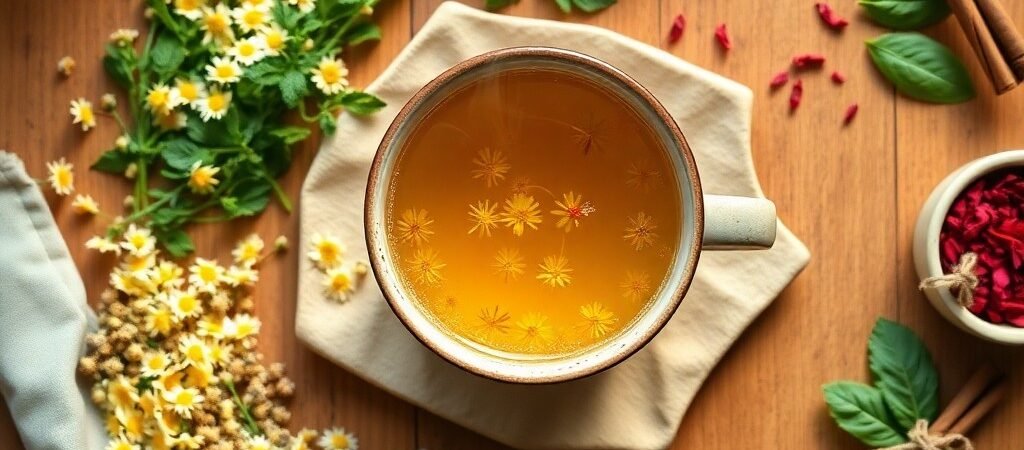
The Health Benefits of Herbal Teas: A Guide to Natural Wellness
The global herbal tea market surpassed $4.5 billion in 2023 and is projected to grow at a compound annual rate of nearly 7% through 2030. That surge isn’t driven by clever marketing — it reflects a genuine shift in how people approach their health. More consumers are reaching for caffeine-free tea alternatives that deliver measurable benefits without the jitters, crashes, or dependency that come with coffee and energy drinks.
Before diving into the specifics, it helps to understand what “herbal tea” actually means. True teas — black, green, white, oolong, and pu-erh — all come from the leaves of the *Camellia sinensis* plant. Herbal teas, technically called tisanes, are infusions made from dried flowers, roots, seeds, bark, or leaves of entirely different plants. Chamomile flowers, ginger root, hibiscus petals, and peppermint leaves all fall into this category. This botanical distinction matters because it determines the compounds you’re extracting, the health effects you can expect, and the way you should brew each cup.
This guide walks you through the most well-researched health benefits of herbal teas, matches specific teas to common health concerns, and gives you practical brewing techniques to get the most out of every infusion. For those looking to explore premium organic spice blends and wellness teas, there are excellent options available that source the highest quality ingredients.
How Herbal Teas Support Digestive Health
Digestive discomfort is one of the most common reasons people turn to herbal remedies, and the research behind gut-soothing herbs is surprisingly robust. Understanding which compounds do the work helps you choose the right tea for your specific issue rather than guessing.
The Science Behind Gut-Soothing Herbs
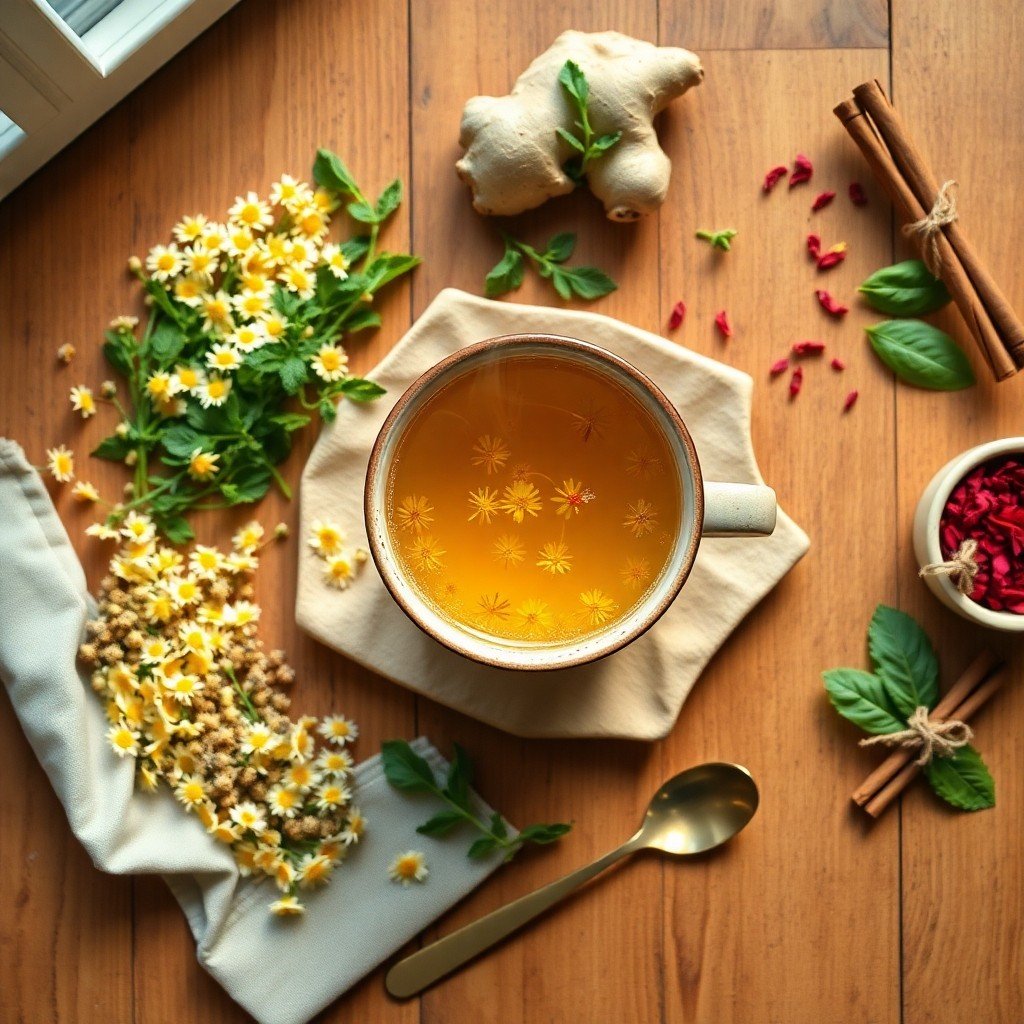
*A warm, inviting flat lay showcasing chamomile tea alongside the natural ingredients used in popular herbal tea blends, perfect for the article’s introduction section.*
Many herbs used in teas contain carminative compounds — substances that help expel gas from the intestines and reduce bloating. Peppermint’s active ingredient, menthol, relaxes the smooth muscles of the GI tract, which is why it’s a staple in over-the-counter digestive remedies. Ginger contains gingerols and shogaols, which accelerate gastric emptying and reduce nausea signals sent from the gut to the brain. A 2019 meta-analysis published in the *Journal of Ethnopharmacology* found that ginger significantly reduced nausea across multiple clinical trials, with effects comparable to some pharmaceutical antiemetics. Chamomile contributes bisabolol and chamazulene, both of which reduce inflammation in the intestinal lining and ease cramping.
Best Herbal Teas for Common Digestive Issues
For bloating and gas, peppermint tea is the most effective single-herb option. Its antispasmodic properties calm the intestinal muscles within 15 to 20 minutes of drinking. If nausea is your primary concern — whether from motion sickness, pregnancy, or medication side effects — ginger tea delivers fast relief. Studies show that consuming as little as one gram of ginger can reduce nausea severity by up to 40%. For that heavy, sluggish feeling after a large meal, fennel seed tea stimulates digestive enzyme production and reduces stomach cramping. Chamomile works well as a post-meal option too, particularly when stress is contributing to your digestive discomfort, since it simultaneously calms the nervous system.

*An intimate, warm close-up of someone enjoying ginger herbal tea, visually reinforcing the article’s section on digestive health benefits and gut-soothing herbs.*
Step-by-Step: Brewing a Digestive Tea Blend
Combine one teaspoon of dried peppermint leaf, half a teaspoon of dried ginger root, and half a teaspoon of fennel seeds in a tea infuser. Pour eight ounces of water just off the boil (around 205°F) over the blend. Cover the cup with a small saucer to trap the volatile essential oils — this step alone can increase the potency of the infusion by up to 25%. Steep for seven to ten minutes, then strain and sip slowly. Drink this blend 15 to 30 minutes after meals for best results. For a premium ready-made option, consider an herbal after-meal digestive tea crafted with high-quality botanicals.
Herbal Teas for Stress Relief and Better Sleep
Not all calming herbs work the same way, and understanding the mechanism behind each one helps you pick the right tea for the right moment. Some herbs help your body adapt to ongoing stress, while others directly promote sleep onset.
Adaptogenic vs. Sedative Herbs — Understanding the Difference
Adaptogenic herbs like holy basil (tulsi) and ashwagandha help regulate your body’s stress response by modulating cortisol production. A 2012 double-blind, placebo-controlled study published in *Ayurveda* found that participants taking holy basil extract experienced a 15% reduction in cortisol levels over six weeks compared to the placebo group. These herbs are best consumed during the day because they build resilience over time without causing drowsiness. Sedative herbs like valerian root and passionflower work differently — they directly enhance GABA activity in the brain, promoting relaxation and sleepiness. Valerian is most effective when taken 30 to 60 minutes before bed, and its effects accumulate with consistent nightly use over two to four weeks.
Top Herbal Teas for Anxiety and Insomnia
Chamomile is the most studied herbal tea for sleep, and its mechanism is well understood. The flavonoid apigenin binds to benzodiazepine receptors in the brain, producing a mild sedative effect without the dependency risks of pharmaceutical sleep aids. A 2016 clinical trial in the *Journal of Advanced Nursing* found that postpartum women who drank chamomile tea for two weeks reported significantly better sleep quality and fewer depressive symptoms than the control group. Lavender tea has demonstrated measurable anxiety reduction — a study in *Phytomedicine* showed that lavender oil capsules (containing the same active compounds found in the tea) reduced anxiety scores by an average of 45% on the Hamilton Anxiety Rating Scale. Lemon balm rounds out the top three by improving mood and cognitive calm simultaneously, making it useful for both daytime anxiety and pre-sleep wind-down.
Evening Tea Ritual: A Step-by-Step Wind-Down Protocol
Begin your routine 60 minutes before your target bedtime. Brew a cup of chamomile-lavender tea using one teaspoon of dried chamomile flowers and half a teaspoon of dried lavender buds. Steep covered for eight minutes at 200°F. While the tea steeps, dim the lights in your space and put your phone on silent. As you drink, practice four-count breathing — inhale for four seconds, hold for four, exhale for four, hold for four. This combination of herbal compounds and parasympathetic nervous system activation creates a powerful signal to your brain that it’s time to sleep. Consistency matters more than quantity; drinking this tea at the same time each night trains your circadian rhythm to anticipate rest.
Immune-Boosting Herbal Teas Backed by Research
The immune system is complex, and no single tea will make you invincible. However, certain herbs have demonstrated specific, measurable effects on immune function that go beyond folklore.
Which Herbs Actually Strengthen Immune Function?
Echinacea is the most researched immune-support herb, and the data is encouraging. A 2015 meta-analysis in *The Lancet Infectious Diseases* found that echinacea reduced the incidence of colds by 30% and shortened the duration of colds by an average of 1.4 days. The herb works by stimulating phagocytosis — the process by which white blood cells engulf and destroy pathogens. Elderberry contains anthocyanins, a class of flavonoids that inhibit viral replication by preventing viruses from entering host cells. Research published in the *Journal of International Medical Research* found that elderberry extract reduced flu symptom duration by four days compared to a placebo. These aren’t marginal effects — they represent meaningful reductions in illness burden.
Building a Daily Immunity Tea Routine
Rotate your immune-support teas seasonally to avoid building tolerance and to match your body’s changing needs. During fall and winter, focus on echinacea and elderberry blends, drinking one to two cups daily during peak cold and flu season. In spring and summer, shift toward lighter options like ginger-turmeric tea, which supports immune function while also addressing seasonal allergies. For daily consumption, limit echinacea to eight weeks on, two weeks off — continuous use beyond that window can reduce its effectiveness. Elderberry is safe for daily use at standard doses of one to two cups of brewed tea.
Common Myths About Immune-Boosting Teas
One persistent myth is that drinking more immune tea equals more immune protection. In reality, overconsumption of certain herbs can backfire. Excessive echinacea intake can overstimulate the immune system and potentially worsen autoimmune conditions. Another misconception is that herbal teas can replace medical treatment for active infections. They complement conventional care — they don’t substitute for it. If you have a fever above 101°F, symptoms lasting more than ten days, or signs of a bacterial infection, see a healthcare provider rather than relying solely on herbal remedies.
Anti-Inflammatory and Antioxidant Power of Herbal Teas
Chronic inflammation underlies most modern diseases — heart disease, diabetes, arthritis, and even depression. Herbal teas offer a practical, daily way to introduce anti-inflammatory and antioxidant compounds into your system.
ORAC Values and Polyphenol Content in Popular Herbal Teas
ORAC (Oxygen Radical Absorbance Capacity) measures a food’s ability to neutralize free radicals. While the USDA retired the ORAC database in 2012 due to misuse in marketing, the relative rankings remain useful for comparison. Among herbal teas, rooibos ranks exceptionally high due to its unique polyphenols like aspalathin and nothofagin. Hibiscus tea follows closely, with anthocyanin levels comparable to those found in blueberries. Green rooibos — the unfermented version — contains up to twice the antioxidant activity of traditional red rooibos. Chamomile and peppermint fall in the moderate range, while ginger tea’s antioxidant profile is dominated by gingerols, which are more valued for their anti-inflammatory properties than their ORAC scores.
Herbal Teas for Chronic Inflammation and Joint Health
Turmeric tea is the standout option for joint inflammation. Curcumin, turmeric’s primary active compound, inhibits the NF-kB pathway — a key molecular trigger of inflammation. The challenge is bioavailability: curcumin is poorly absorbed on its own. Adding a pinch of black pepper increases absorption by up to 2,000% thanks to piperine, which slows curcumin’s breakdown in the liver. For arthritis specifically, a 2021 randomized controlled trial in *BMJ Open Sport & Exercise Medicine* found that participants who consumed curcumin supplements reported a 50% reduction in joint pain scores over eight weeks. While the study used supplements rather than tea, drinking turmeric tea with black pepper daily provides a lower-dose, food-based approach that many people find sustainable long-term.
How to Maximize Antioxidant Extraction When Brewing
Water temperature and steep time are the two biggest factors. Most herbal teas release the highest concentration of antioxidants when steeped at 200–212°F for at least ten minutes. Covering the cup during steeping prevents volatile antioxidant compounds from escaping with the steam. For a turmeric-ginger anti-inflammatory tea, combine one teaspoon of ground turmeric, half a teaspoon of dried ginger, a pinch of black pepper, and a teaspoon of honey in eight ounces of boiling water. Steep covered for ten minutes, strain, and drink warm. Adding a small amount of fat — a splash of coconut milk or whole milk — further enhances curcumin absorption since it’s fat-soluble. You can also source an organic ground ginger spice to ensure you’re using the freshest, highest-quality ginger in your blends.
Choosing the Right Herbal Tea for Your Health Goals
With hundreds of herbal tea options available, narrowing your choices to match your specific health goals saves time, money, and frustration.
A Quick-Reference Health Goal → Tea Match Chart
| Health Goal | Best Herbal Tea | Why It Works |
|—|—|—|
| Bloating and gas | Peppermint | Menthol relaxes intestinal smooth muscle |
| Nausea | Ginger | Gingerols accelerate gastric emptying |
| Insomnia | Chamomile | Apigenin binds to GABA receptors |
| Anxiety | Lavender | Linalool reduces cortisol and anxiety scores |
| Cold prevention | Echinacea | Stimulates white blood cell activity |
| Joint pain | Turmeric + black pepper | Curcumin inhibits inflammatory pathways |
| High blood pressure | Hibiscus | Anthocyanins act as natural ACE inhibitors |
| Low energy (caffeine-free) | Yerba mate or rooibos | Natural stimulants without caffeine crash |
Quality Matters: How to Source the Best Herbal Teas
The difference between a high-quality herbal tea and a mediocre one comes down to sourcing and processing. Look for organic certification to avoid pesticide residues, which are concentrated in dried herbs. Loose-leaf teas generally contain whole or large-cut plant material, while many tea bags use “dust” — the lowest grade of herb fragments that lose volatile compounds quickly. Avoid any product listing “natural flavors” or “artificial flavors” on the ingredient label, as these indicate added synthetic compounds rather than pure herbs. Reputable brands that prioritize quality include Traditional Medicinals, Pukka Herbs, Organic India, and Mountain Rose Herbs. When buying from smaller vendors, ask about their sourcing practices and whether they test for heavy metals and microbial contamination.
Safety Considerations and Who Should Avoid Certain Herbal Teas
Herbal teas are generally safe for most people, but specific populations need to exercise caution. Pregnant women should avoid licorice root (linked to preterm labor), sage (can reduce milk supply), and large amounts of chamomile (may stimulate uterine contractions). People taking blood thinners like warfarin should limit ginger and turmeric intake, as both have mild anticoagulant properties that can amplify the medication’s effects. St. John’s Wort — sometimes included in mood-support tea blends — interacts with antidepressants, birth control pills, and immunosuppressants. If you take any prescription medication, consult your healthcare provider before adding a new herbal tea to your daily routine. This isn’t alarmist — it’s practical, because herb-drug interactions are real and well-documented.
Conclusion: Making Herbal Tea a Sustainable Wellness Habit
The health benefits of herbal teas span digestive comfort, stress resilience, immune defense, and inflammation reduction — and the best part is that these benefits come from something as simple as a daily cup of hot water steeped with plants. You don’t need to overhaul your entire lifestyle overnight. Start with one tea that addresses your most pressing concern, brew it correctly using the techniques in this guide, and commit to drinking it consistently for at least two weeks before evaluating the results. Small, repeatable habits compound over time far more effectively than dramatic short-term efforts. Whether you reach for peppermint after dinner, chamomile before bed, or turmeric in the morning, you’re building a foundation of natural wellness that supports your body without demanding perfection.
Frequently Asked Questions (FAQ)
**What is the healthiest herbal tea to drink daily?**
Rooibos and chamomile are the two safest and most broadly beneficial options for daily consumption. Roibos delivers a high concentration of unique antioxidants with zero caffeine and virtually no contraindications. Chamomile offers gentle anti-inflammatory, digestive, and calming benefits that make it suitable for nearly everyone, including children in diluted form.
**Can herbal teas replace medication for health conditions?**
No. Herbal teas can complement medical treatment and support overall wellness, but they are not substitutes for prescribed medications. If you have a diagnosed health condition, work with your healthcare provider to determine how herbal teas fit into your treatment plan alongside — not instead of — conventional care.
**How long should I steep herbal tea to get the most health benefits?**
Most herbal tisanes require five to ten minutes of steeping at 200–212°F to fully extract beneficial compounds. This is significantly longer than true teas, which typically steep for two to three minutes. Always cover the cup during steeping to retain volatile essential oils and heat.
**Are there any side effects of drinking herbal tea every day?**
For most people, daily herbal tea consumption is safe. However, specific herbs carry risks with prolonged use: licorice root can raise blood pressure, excessive chamomile may cause allergic reactions in people sensitive to ragweed, and high doses of ginger can cause heartburn. Rotate your teas and stick to recommended serving sizes.
**What’s the difference between herbal tea and green tea?**
Green tea comes from the *Camellia sinensis* plant and contains caffeine along with catechins like EGCG. Herbal teas are made from other plants entirely — flowers, roots, seeds, or bark — and are naturally caffeine-free. The two categories have overlapping but distinct health benefits, and both can coexist in a balanced wellness routine.
**Meta Description:** Discover the science-backed health benefits of herbal teas — from digestion and sleep to immunity and inflammation. Your complete guide to natural wellness through herbal infusions.