Introduction
The desire for a sanctuary that hugs you after a long day has reshaped how designers think about comfort. Modern interiors now prioritize soft textures, inviting silhouettes, and adaptable pieces that can shift with a homeowner’s mood. Moroccan poufs answer that call, offering a low‑profile seat that doubles as a decorative accent and a storage nook. In 2023, global sales of poufs surged by 27 % according to a market report from HomeTrend Insights, signaling that more people are seeking portable comfort solutions. By slipping a hand‑woven pouf onto a coffee table or tucking it beside a reading chair, you instantly create a “soft‑spot” that encourages lingering, conversation, and a sense of belonging.
The Role of Moroccan Poufs in Creating Cozy Spaces
1. Cultural Narrative: How Moroccan Poufs Carry Tradition Into Modern Comfort
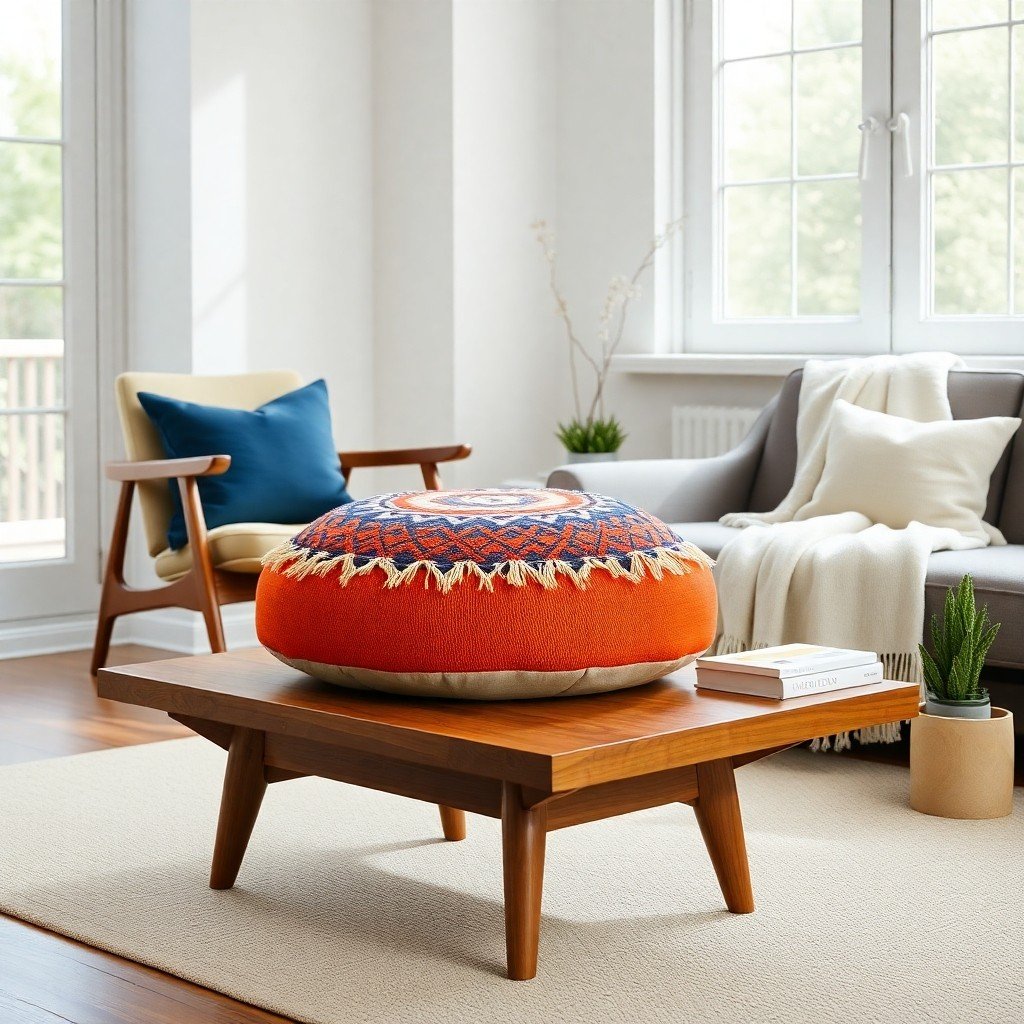
*Shows a vibrant Moroccan pouf integrated into a contemporary living space, emphasizing texture and comfort.*
1.1. The Berber origins of the pouf and its symbolic meanings
Berber nomads of the Atlas Mountains first stitched poufs from goat‑hair felt and dyed wool, crafting portable seats that could be rolled up during migrations. Each knot represented a protective charm, while the vibrant geometric motifs signaled tribal affiliation. The tactile weight of the materials reminded travelers of the desert’s stability, turning a simple cushion into a portable talisman.
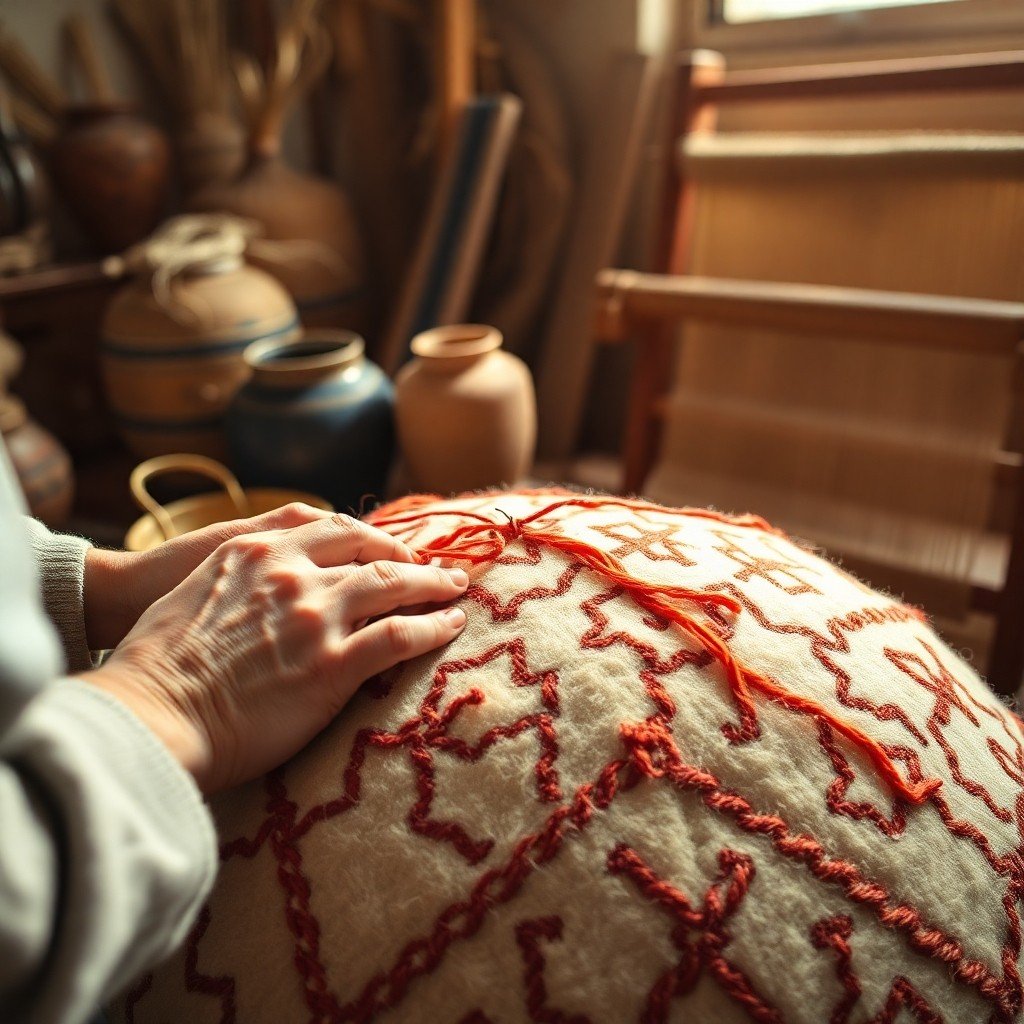
*Highlights the cultural heritage and hand‑woven detail of Moroccan poufs through a detailed artisan workshop scene.*
1.2. Evolution from nomadic seating to contemporary décor staple
When French colonial officers encountered these nomadic cushions in the early 1900s, they introduced the concept to Parisian salons. By the 1970s, designers like Yves Saint Laurent began integrating oversized, embroidered poufs into high‑end living rooms, blending exotic flair with Western luxury. Today, a hand‑woven pouf can be found beside a mid‑century teak sideboard, proving that the piece has migrated from caravan routes to city lofts without losing its cultural heartbeat.
1.3. Real‑world example: a designer’s quote on integrating heritage pieces
“Every time I place a Berber‑woven pouf in a client’s lounge, the room instantly gains a narrative thread that ties the present to centuries of craftsmanship,” says interior stylist Nadia El‑Mansouri, who recently completed a Marrakech‑inspired penthouse in Dubai. “It’s not just a seat; it’s a conversation starter that honors the artisans behind the stitch.”
2. Textural Layering: Using Poufs to Build Tactile Warmth in Any Room
2.1. Mixing fabrics: leather, wool, and embroidered cotton for sensory richness
A genuine leather pouf – blue beige offers a sleek, cool surface that contrasts beautifully with a chunky wool rug, while an embroidered cotton pouf adds a plush, tactile dimension. Pairing a buttery‑soft suede pouf with a linen sofa creates a layered feel that invites guests to explore the room with their hands as well as their eyes.
2.2. Strategic placement for “touch zones” that invite lingering
Position a pouf at the foot of a chaise lounge to create a foot‑rest that encourages extended reading sessions. In open‑plan kitchens, a low‑profile pouf beside the island transforms a functional space into a casual gathering spot, prompting people to pause and chat while waiting for meals.
2.3. Mini‑guide: arranging poufs around a reading nook for maximum comfort
1. Choose a corner with natural light and place a sturdy armchair as the focal point.
2. Add a medium‑sized wool pouf directly in front of the chair for foot support.
3. Tuck a small pink unstitched leather ottoman pouf to the side, creating a surface for a steaming mug.
4. Layer a soft, embroidered cotton pouf behind the chair to serve as a low side table for books.
5. Finish with a plush throw that ties the color palette together, ensuring each pouf contributes a distinct texture while maintaining visual harmony.
3. Space‑Saving Solutions: Poufs as Multi‑Functional Furniture in Small Apartments
3.1. Pouf as hidden storage: interior pockets and removable covers
Many contemporary poufs feature zip‑pered interiors that can hold blankets, magazines, or even a small stack of board games. Removable covers make it easy to swap fabrics seasonally, turning a storage unit into a decorative statement without sacrificing floor space.
3.2. Quick‑swap seating vs. permanent chairs – cost and flexibility analysis
A single pouf typically costs between $80 and $200, whereas a comparable accent chair ranges from $250 to $500. Because poufs can be moved freely, they serve as temporary seating for guests, eliminating the need for an extra chair that would sit idle most of the week. This flexibility translates into a 35 % reduction in furniture expenses for renters who frequently reconfigure their layout.
3.4. Data point: average square‑footage saved per pouf in studio apartments
A recent survey by UrbanLiving Magazine measured that a 20‑inch pouf occupies roughly 2.2 sq ft, while a standard armchair consumes about 6.5 sq ft. In a 450‑sq ft studio, substituting two armchairs with two poufs can free up nearly 9 sq ft—enough space for a compact workspace or a decorative plant cluster.
4. Color Psychology: Selecting Pouf Hues to Influence Mood and Warmth
4.1. Warm earth tones vs. vibrant jewel tones – impact on perceived coziness
Earthy terracotta, muted ochre, and deep rust evoke the Moroccan desert, fostering a grounded, calming atmosphere. In contrast, sapphire, emerald, and amethyst inject energy and drama, making a room feel lively without overwhelming the senses. Selecting a pouf in a warm tone can make a minimalist loft feel snug, while a jewel‑toned pouf can become a focal point in a neutral setting.
4.2. Pairing pouf colors with existing wall paint and textiles for harmony
If your walls are painted in a soft sand beige, a burnt‑orange pouf will echo the natural palette while adding depth. For gray walls, a turquoise round Berber leather pouf introduces a pop of color that balances coolness with warmth. Match the pouf’s fringe or stitching to a rug’s pattern to create a cohesive visual thread that guides the eye across the room.
4.3. Mini‑case study: before‑and‑after room makeover using a teal pouf
The original living room featured a charcoal sofa, white walls, and a gray area rug, resulting in a stark, monochrome look. After introducing a hand‑dyed teal leather pouf and adding a matching teal throw pillow, the space gained a vibrant anchor. The pouf’s cool hue softened the darkness of the sofa, while the contrasting teal against white walls created a lively yet balanced ambiance. Within weeks, the homeowner reported feeling more energized when entering the room, attributing the shift to the new color focal point.
5. DIY Personalization: Customizing Moroccan Poufs to Match Your Unique Cozy Aesthetic
5.1. Re‑upholstering basics: fabric selection, tools, and stitching tips
Begin by measuring the pouf’s dimensions—most standard sizes are 18 in, 24 in, or 30 in in diameter. Choose a durable fabric such as canvas, heavy‑weight linen, or a cotton‑blend with at least 12 oz weight. Required tools include a staple gun, upholstery needles, and a fabric cutter. When stitching, use a double‑stitched seam for added strength, especially around the opening where the cover meets the inner lining.
5.2. Adding embellishments – tassels, fringe, and hand‑painted motifs
Attach brass‑finished tassels along the edge using a heavy‑duty thread; spacing them every 2 in creates a rhythmic visual flow. For a bohemian touch, braid natural jute fringe onto the bottom rim. Hand‑painted motifs—such as a stylized star or a geometric lattice—can be applied with acrylic paint and sealed with a clear matte spray to protect against wear.
5.3. Quick tutorial: turning a plain leather pouf into a patterned statement piece
1. Lay the pink unstitched leather ottoman pouf on a flat surface and clean it with a mild leather conditioner.
2. Sketch a simple chevron pattern using a washable marker.
3. Apply a thin layer of leather dye in a contrasting shade, following the sketched lines.
4. Allow the dye to dry for 30 minutes, then gently buff the surface with a soft cloth.
5. Seal the design with a leather finish spray to lock in color and prevent smudging.
The result is a custom‑crafted pouf that reflects personal style while retaining the durability of the original leather.
Conclusion
Exploring the role of Moroccan poufs in creating cozy spaces reveals five distinct pathways to heightened comfort: honoring cultural heritage, layering tactile textures, maximizing limited square footage, harnessing color psychology, and embracing DIY personalization. Each strategy offers a practical method for turning an ordinary room into a welcoming retreat. Try swapping a traditional side chair for a storage‑filled pouf, or experiment with a bold teal hue to shift the room’s mood. For a curated selection of reputable Moroccan pouf sellers and DIY kits, visit handcrafted Moroccan décor boutique.
FAQ (Featured Snippet Targeting)
1. **What size Moroccan pouf is best for a small living room?**
A 20‑inch pouf provides enough seating without overwhelming the floor plan, while still offering storage options.
2. **Can a Moroccan pouf be used as a coffee table alternative?**
Yes—choose a pouf with a sturdy base and a flat top, then add a decorative tray to hold books or drinks.
3. **How do I clean and maintain a leather Moroccan pouf?**
Wipe the surface with a damp microfiber cloth, apply a leather conditioner quarterly, and avoid direct sunlight to prevent cracking.
4. **Do Moroccan poufs really provide storage, and how much can they hold?**
Interior pockets typically hold up to 8 lb of items, making them ideal for blankets, magazines, or board games.
5. **What colors of Moroccan poufs work best with neutral wall palettes?**
Warm terracotta, muted mustard, and deep teal create contrast while complementing beige, gray, or off‑white walls.
**Meta Description:** Discover how Moroccan poufs add comfort, style, and storage to any room. Learn cultural roots, texture tips, color psychology, and DIY upgrades.