The Ultimate Guide to Moroccan Hammam Rituals 2026
The Moroccan Hammam is a historic cleansing tradition that has evolved into a global wellness phenomenon, offering a profound blend of physical exfoliation and mental relaxation.The Ultimate Guide to Moroccan Hammam Rituals 2026 provides a comprehensive look at this ancient practice, which has seen a massive resurgence as travelers and wellness seekers prioritize authentic, ritualistic self-care over quick fixes. Rooted in centuries of culture, this bathhouse experience is far more than a simple cleaning session; it is a social and purification ritual designed to detoxify the body and soothe the mind. As Moroccan bath culture continues to influence global wellness tourism 2026, understanding the intricate steps, specific ingredients, and strict etiquette becomes essential for anyone looking to experience its transformative benefits.
Key Takeaways
- The Moroccan Hammam is a multi-step cleansing ritual involving steam, black soap, and vigorous exfoliation.
- Authentic rituals use specific natural ingredients like Savon Beldi and Ghassoul clay to ensure efficacy.
- Etiquette varies significantly between traditional local Hammams and modern luxury spas.
- The ritual offers both physical exfoliation and profound mental relaxation benefits.
The Moroccan Hammam Defined: A Definitive Overview for 2026
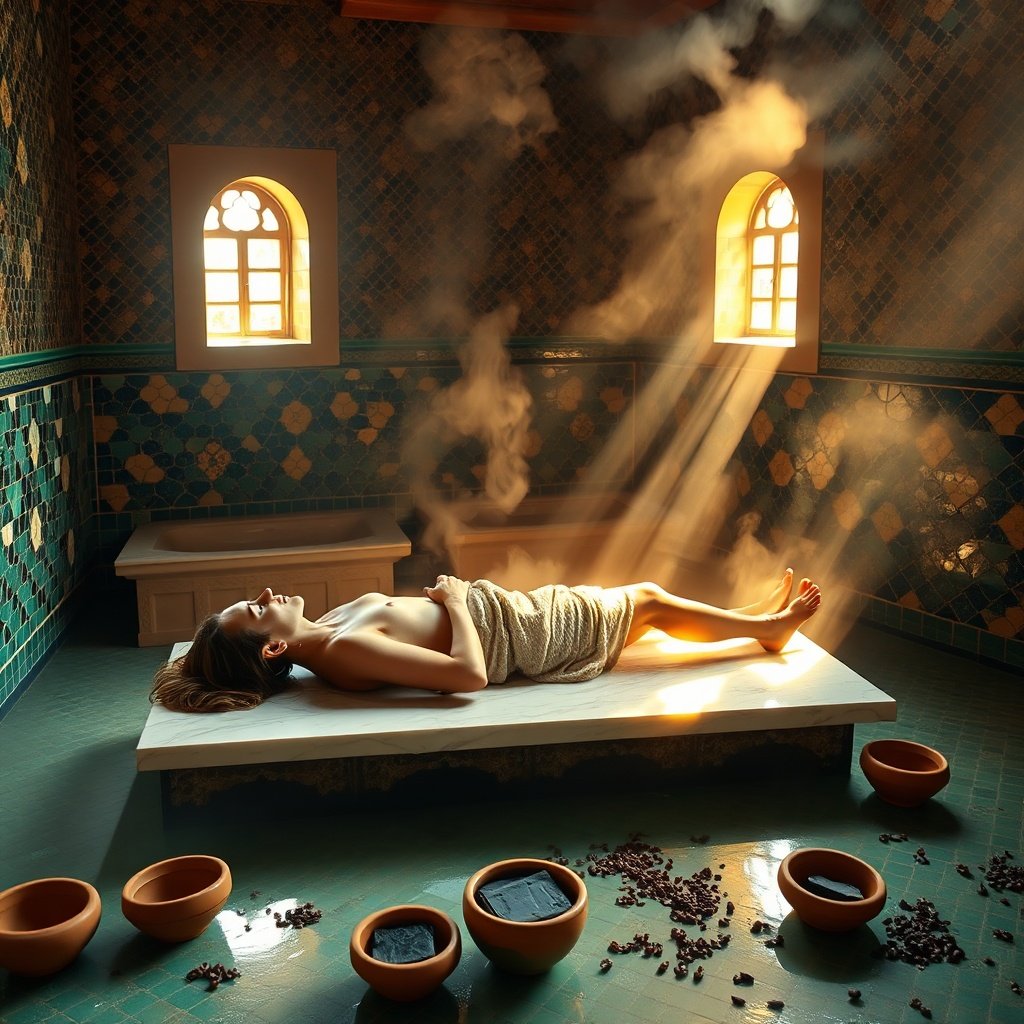
A traditional Hammam scene capturing the essence of Moroccan cleansing rituals with steam, exfoliation, and natural ingredients.
A Moroccan Hammam is a steam bath tradition deeply rooted in Islamic bathing culture, updated in 2026 to meet high wellness standards while retaining its historical essence. It is not merely a bath; it is a social and purification ritual that serves as a sanctuary for community bonding and personal hygiene. The structure involves a transition from cold to hot rooms, intense hydration, and mechanical exfoliation, distinguishing it from other spa treatments. The Ultimate Guide to Moroccan Hammam Rituals 2026 positions this experience as a therapeutic necessity rather than a luxury, emphasizing its role in opening pores and eliminating toxins through controlled heat and specific massage techniques.
Quick Answer: A Hammam is a wet steam room distinct from a dry sauna or infrared sauna, utilizing high humidity and warm water to soften the skin before exfoliation, making it a cornerstone of traditional cleansing ritual practices.
The Core Philosophy of Purification
The core philosophy relies on warming the body thoroughly before any cleansing begins, a critical step that opens pores and relaxes the muscles. In historical contexts, this ritual served as a preparation for prayer or social gathering, symbolizing a purification of the soul alongside the body. The heat increases circulation, preparing the skin for the absorption of natural oils and soaps used later in the process.
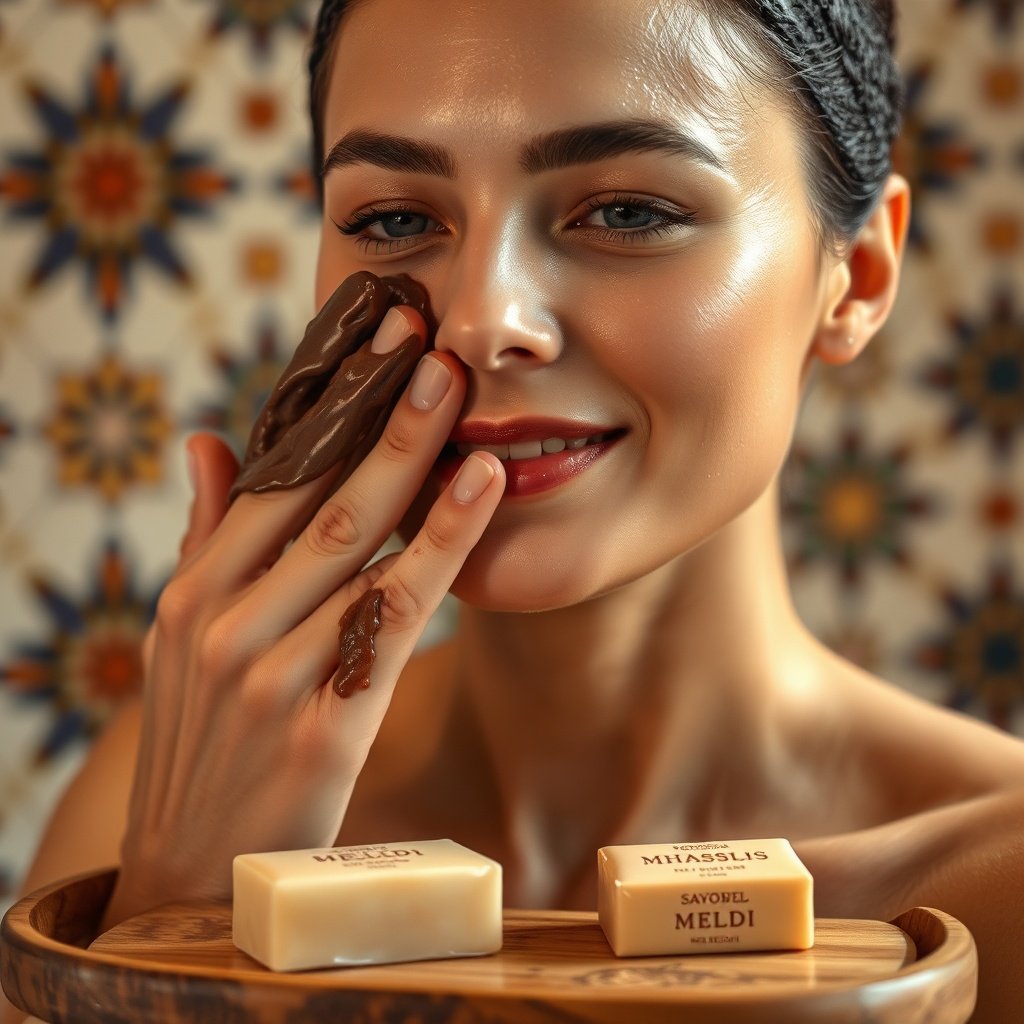
A close-up of rejuvenated skin after a traditional Hammam session, showcasing the benefits of Ghassoul clay and Savon Beldi.
Modern Adaptations in 2026
Luxury hotels have integrated the ritual into global spa menus, adapting the architecture for privacy while maintaining the intense heat required. There is a noticeable shift towards organic, sustainably sourced ingredients in the current year, as discerning clients demand purity in their natural beauty products. Modern facilities often combine the traditional steam room with hydrotherapy pools and cold plunge showers to enhance the contrast therapy benefits.
Why The Ultimate Guide to Moroccan Hammam Rituals 2026 is Essential Today
Understanding the nuances of this ritual ensures you receive the full spectrum of Hammam steam room health benefits. Without proper knowledge of the sequence or ingredients, the experience can become ineffective or uncomfortable. The Ultimate Guide to Moroccan Hammam Rituals 2026 bridges the gap between ancient tradition and modern application, ensuring you achieve the best possible results.
Step-by-Step Breakdown of the Ritual Sequence
The chronological order of the ritual is paramount, as each step prepares the body for the next. Step-by-step Moroccan spa ritual protocols dictate that hydration and softening must occur before any scrubbing takes place. Attempting to exfoliate dry skin in the Hammam environment can cause irritation, whereas the proper sequence ensures a deep, non-abrasive cleanse. The “why” behind the sequence is simple: soap softens the keratin, and scrubbing removes it, followed by clay to detoxify the newly revealed skin.
Quick Answer: The ritual typically follows a strict order: steam to soften skin, apply black soap to break down dead cells, scrub with a Kessa glove to remove impurities, and finish with a clay mask to nourish and tighten pores.
Phase 1: The Warm-Up and Steam
You begin by spending 10 to 15 minutes in the steam room to soften the skin and induce sweating. This phase is crucial for loosening the top layer of the epidermis. Instruction: Pour warm water over the body continuously using a bucket to maintain temperature and keep the skin hydrated. Do not sit too close to the steam source; allow your body to acclimatize to the rising heat gradually to prevent dizziness.
Phase 2: The Black Soap Application
Next comes the application of Savon Beldi, a vitamin-rich olive paste that acts as a chemical exfoliant. Instruction: Leave the soap on the skin for 5 to 10 minutes to allow deep penetration into the pores. You will feel the texture change as the paste interacts with your skin’s oils. Moroccan black soap ingredients typically include crushed olives and olive oil, sometimes infused with eucalyptus for respiratory benefits.
Phase 3: Exfoliation and Rinsing
The most vigorous part of the ritual involves using a Kessa glove to remove dead skin layers. Instruction: Use firm, long strokes on the body to reveal new skin, focusing on rough areas like elbows, knees, and heels. The friction of the glove combined with the softened skin from the soap causes rolls of dead skin to peel away. Rinse thoroughly with warm water to remove all traces of soap and exfoliated debris.
Essential Ingredients: The 2026 Standard for Authenticity
Authenticity relies entirely on the materials used, distinguishing genuine experiences from synthetic imitations. The Ultimate Guide to Moroccan Hammam Rituals 2026 emphasizes that true efficacy comes from geological sourcing, specifically highlighting the Atlas Mountains as the origin of premium Ghassoul clay. Understanding the source and composition of these ingredients ensures you harness the full Rhassoul clay benefits and Beldi soap skincare benefits.
Definition: Ghassoul (or Rhassoul) clay is a 100% natural, mineral-rich clay found only in the Atlas Mountains of Morocco, known for its ability to absorb impurities and leave hair and skin exceptionally soft.
Savon Beldi vs. Modern Soaps
Traditional Savon Beldi differs vastly from commercial exfoliating washes due to its high-olive content and paste-like texture. Unlike liquid soaps that strip oils, Beldi is rich in Vitamin E and polyphenols which nourish the skin. Authentic paste often possesses a scent profile of earthy olive with hints of eucalyptus or lavender, providing aromatherapy benefits alongside cleansing.
Ghassoul Clay and Masks
Rhassoul clay is prized for its mineral properties, including silica, magnesium, and potassium, which aid in detoxification. Instruction: Mix the clay with warm water or rose water until it reaches a smooth, paste-like consistency before applying it to the face or body. Ghassoul clay mask application should be done in a thin layer, allowed to dry slightly before rinsing, to effectively draw out toxins without dehydrating the skin.
Cultural Etiquette: Navigating the Hammam in 2026
Proper behavior ensures respect for local customs, whether visiting a public Hammam in Marrakech or a luxury spa in New York. Traditional Moroccan bathhouse etiquette dictates a balance between modesty and practicality. In 2026, understanding these unwritten rules is as important as knowing the ritual steps, as it demonstrates respect for the cultural heritage of the space.
Attire and Privacy Norms
Rules regarding attire differ significantly between mixed-gender luxury spas and single-gender local Hammams. Instruction: Wear dark-colored underwear if no specific swimwear is provided in traditional settings, as white can become transparent when wet. In local neighborhoods, nudity is common among women, but tourists are usually expected to keep their underwear on. In luxury mixed-gender settings, disposable swimwear is often mandatory.
Tipping and Service Interaction
Tipping is a critical component of the service economy in Moroccan Hammams. Provide current 2026 guidance on tipping attendants (often called “Matays”). Data point: Suggest carrying small local currency denominations (Moroccan Dirhams) for service staff, as electronic tipping is not always possible in older, traditional bathhouses. A tip of 10-20% of the service fee is standard for exceptional scrubbing services.
DIY vs. Professional Experience: A Comparative Analysis
Evaluating the cost-benefit ratio of home kits versus professional treatments reveals significant differences in results. Luxury wellness trends 2026 show a split between those seeking the convenience of at-home rituals and those prioritizing the expertise of a professional. While a DIY session offers privacy and cost savings, it lacks the intense heat and reach of a professional attendant.
Quick Answer: A professional Hammam is superior for deep exfoliation because the attendant can reach difficult spots and apply the necessary pressure, whereas a home ritual relies on your own flexibility and strength.
Creating the Environment at Home
You can approximate the experience at home with specific preparation. Tips for turning a bathroom into a steam
Embracing the Moroccan Hammam ritual is more than just a skincare routine; it is a holistic journey that detoxifies the body and soothes the mind. From the mineral-rich Rhassoul clay to the nourishing properties of Savon Beldi, each element is designed to rejuvenate your skin. By respecting cultural etiquette and choosing between a professional scrub or a DIY home experience, you can tailor this ancient practice to fit your modern lifestyle. Whether you are a seasoned spa-goer or a curious beginner, The Ultimate Guide to Moroccan Hammam Rituals 2026 ensures you have all the knowledge needed to indulge in authentic wellness. Ready to transform your self-care regimen? Book your first Hammam session today or start curating your home kit to experience the magic of Morocco firsthand.
Frequently Asked Questions
What makes Savon Beldi different from modern soaps? Unlike commercial washes that strip natural oils, Savon Beldi is a paste-like soap made with high olive content, Vitamin E, and polyphenols. It nourishes the skin while providing aromatherapy benefits through scents like eucalyptus or lavender.
How should I dress when visiting a traditional Hammam? Attire depends on the venue. In local, single-gender bathhouses, it is customary to wear dark-colored underwear, as white can become transparent when wet. In luxury, mixed-gender spas, disposable swimwear is often mandatory.
Is a professional Hammam better than a home ritual? While home rituals offer privacy, a professional Hammam is superior for deep exfoliation. An attendant can reach difficult spots and apply the necessary pressure to effectively remove dead skin layers, which is difficult to achieve on your own.
What are the main benefits of using Rhassoul clay? Rhassoul clay is found only in the Atlas Mountains and is rich in minerals like silica and magnesium. It is highly effective at absorbing impurities and detoxifying the skin without causing dehydration.
How much should I tip attendants at a Moroccan Hammam? Tipping is a critical part of the service economy. It is standard to tip attendants, known as “Matays,” between 10-20% of the service fee. It is recommended to carry small denominations of local currency for this purpose.