Introduction: Top 7 Natural Beauty Rituals Using Herbal Tea Extracts
Discover how ancient traditions meet modern science in these natural beauty hacks that harness the power of herbal tea extracts for radiant skin, shiny hair, and soft lips. The convergence of traditional herbal wisdom and cutting‑edge dermatology creates powerful rituals that leverage antioxidants and anti‑inflammatory compounds. In this guide you will explore seven distinct rituals that turn everyday teas into targeted skincare, hair care, and body treatments. Each method is built around a specific extract—green tea, chamomile, rooibos, matcha, hibiscus, black tea, and caffeine‑rich blends—and includes precise measurements, preparation steps, and usage tips. Whether you seek a brightening toner, a calming eye gel, or a tinted lip balm, the following sections provide actionable recipes and scientific context. Experiment safely, start with small batches, and observe how your skin responds before expanding the routine.
1. Revitalizing Green Tea Face Toner
Green tea’s polyphenols, especially catechins like EGCG, neutralize free radicals that degrade collagen and accelerate wrinkle formation. A 2022 clinical trial published in the *Journal of Cosmetic Dermatology* demonstrated a 15 % reduction in fine lines after eight weeks of daily EGCG supplementation. The protective effect stems from EGCG’s ability to scavenge reactive oxygen species and inhibit matrix metalloproteinase enzymes that break down skin fibers. The study highlights that topical application delivers comparable antioxidant activity to oral intake, making a brewed toner an efficient delivery method.
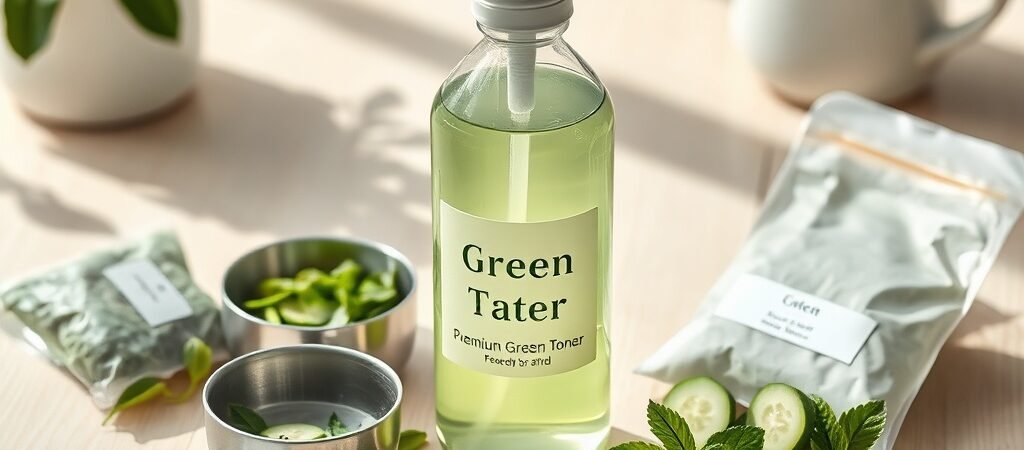
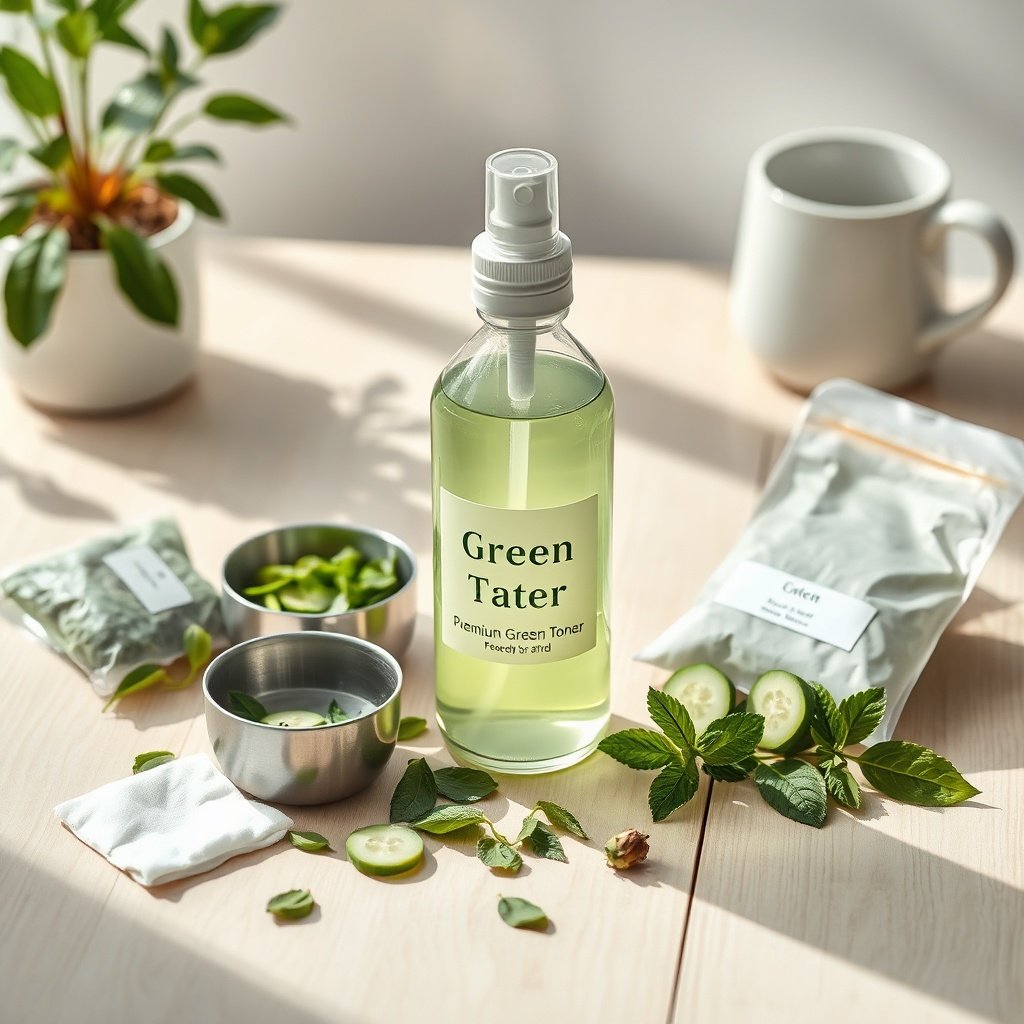
To craft a fresh green tea toner, combine one teaspoon of Al Mohajer Moroccan green tea with 250 ml of near‑boiling water. Steep for exactly three minutes, then strain and allow the liquid to cool to room temperature. Transfer the cooled infusion into a sterilized amber bottle and add five drops of vitamin E oil for extra preservation. Store the toner in the refrigerator; it remains potent for ten days. This simple 5‑minute recipe yields a clear, slightly astringent liquid that can be applied with a cotton pad after cleansing.
Apply the toner twice daily—once in the morning before moisturizer and again at night after serum. Its lightweight texture layers well under hyaluronic acid, enhancing hydration without feeling sticky. Keep the bottle sealed and refrigerated; discard any remaining liquid after ten days to prevent bacterial growth. For optimal results, pair the toner with a gentle exfoliation routine twice weekly, but avoid using it on broken skin.
2. Chamomile Eye Gel for Dark Circles

Chamomile contains apigenin, a flavonoid that binds to GABA receptors and dampens inflammation on the delicate periorbital skin. A 2021 comparative study found chamomile extract reduced redness by 30 % more effectively than a leading commercial eye gel after four weeks of twice‑daily use. The soothing action also helps constrict dilated capillaries, lessening the appearance of dark circles.
Mix one tablespoon of dried chamomile flowers with 150 ml of distilled water; simmer gently for five minutes, then strain through a fine mesh. Stir in one teaspoon of aloe vera gel and half a teaspoon of glycerin to boost viscosity. Pour the mixture into a small, airtight jar and refrigerate. The resulting gel solidifies slightly at cooler temperatures, making it easy to apply with the fingertip. Use within seven days for maximum potency.
Using the ring finger, dab a pea‑size amount onto the under‑eye area and gently tap outward toward the temples. For overnight repair, apply a slightly thicker layer before bed and leave it on while you sleep; the gel will absorb fully by morning. Avoid pulling the skin; patting motions stimulate microcirculation and enhance absorption. This technique maximizes the anti‑inflammatory benefits of chamomile.
3. Rooibos‑Infused Lip Balm for Natural Tint
Rooibos is celebrated for its high levels of vitamin A, vitamin C, and iron, nutrients that support collagen synthesis and impart a subtle reddish hue to the lips. Laboratory analysis shows rooibos contains 0.5 mg of vitamin A per gram and 1.2 mg of vitamin C per gram, outpacing many fruit juices in antioxidant capacity. These micronutrients contribute to a natural, rosy tint when infused into a lipid base.
Melt 2 tbsp of shea butter with 1 tbsp of coconut oil in a double boiler, then stir in 1 tsp of finely ground rooibos powder. Add ½ tsp of beeswax pellets to firm the mixture, and blend until smooth. Pour the liquid into small tins and allow it to solidify