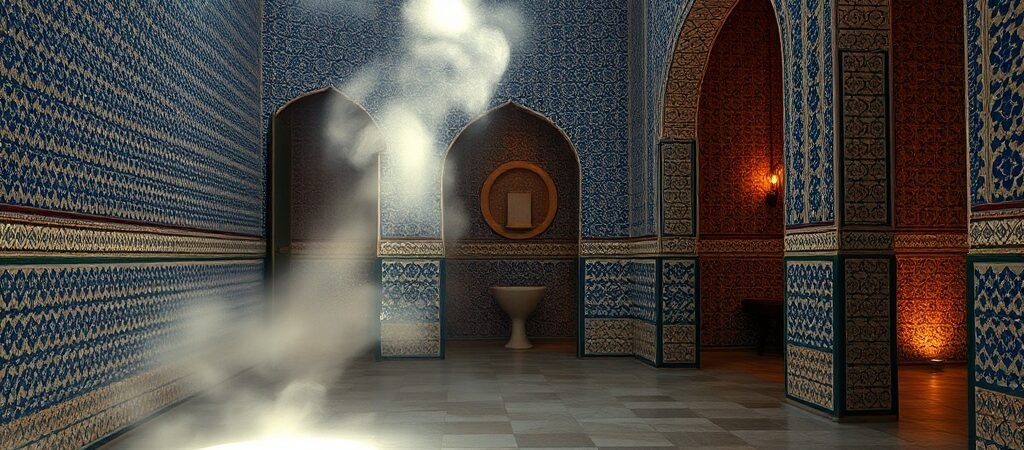
A traditional Moroccan hammam is not just a bathhouse — it is a centuries-old ritual of purification, community, and renewal that has remained largely unchanged across generations. For first-time visitors, knowing what to expect at a traditional Moroccan hammam makes the difference between feeling lost and fully embracing the experience. This guide gives you a complete, honest picture of what actually happens inside, from the moment you step into the steam to the final cool-down. You will learn about the physical space, the step-by-step ritual, the signature products, how to prepare, and how to choose between a local and tourist hammam.
Quick Answer: A traditional Moroccan hammam is a public steam bath where you move through a sequence of tiled, increasingly cooler rooms while an attendant scrubs your skin with a kessa glove and black soap — a communal ritual that cleanses both body and spirit.
Key Takeaways
- A traditional Moroccan hammam follows a three-stage temperature progression: hot room, warm room, cool room.
- The signature treatments are the kessa exfoliating glove and beldi black soap — these are non-negotiable parts of the authentic experience.
- You will be scrubbed by an attendant (or a fellow bather in local hammams) — expect vigorous, full-body exfoliation.
- Modesty norms vary by hammam type; local hammams are single-sex and you wear minimal clothing, while tourist hammams often allow swimwear.
- The experience is a slow, unhurried process — the total session can last anywhere from 30 minutes to over an hour.
The Complete Answer: What to Expect at a Traditional Moroccan Hammam
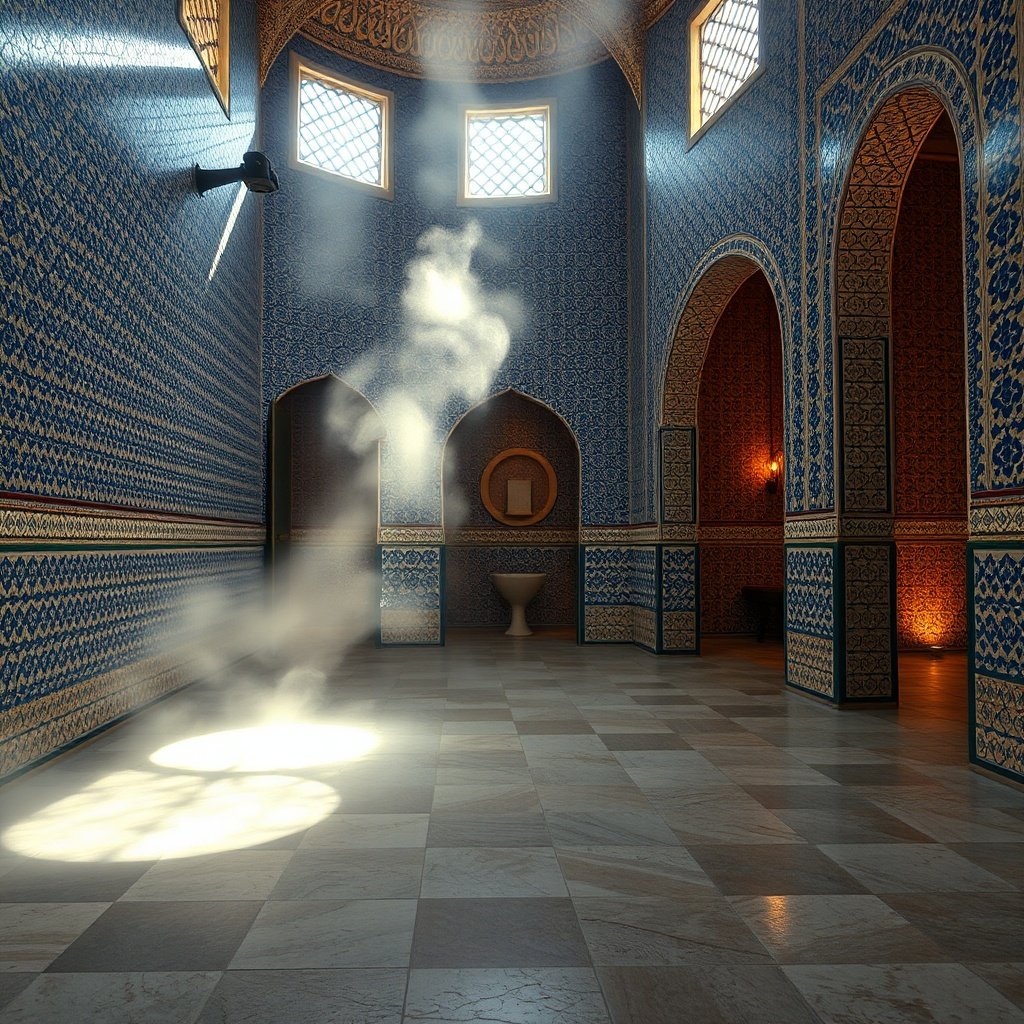
Step into the atmospheric, tiled sanctuary where centuries of cleansing tradition come alive.
The Core Experience in One Paragraph
A traditional Moroccan hammam is a public steam bath where you move through a sequence of tiled, increasingly cooler rooms while an attendant scrubs your skin with a kessa glove and black soap. The experience is communal, sensory, and deeply ritualistic — it is about cleansing both body and spirit, not just getting clean. You will sweat profusely, get scrubbed until your skin sheds its dead layer, and emerge feeling renewed in a way no ordinary shower can replicate.
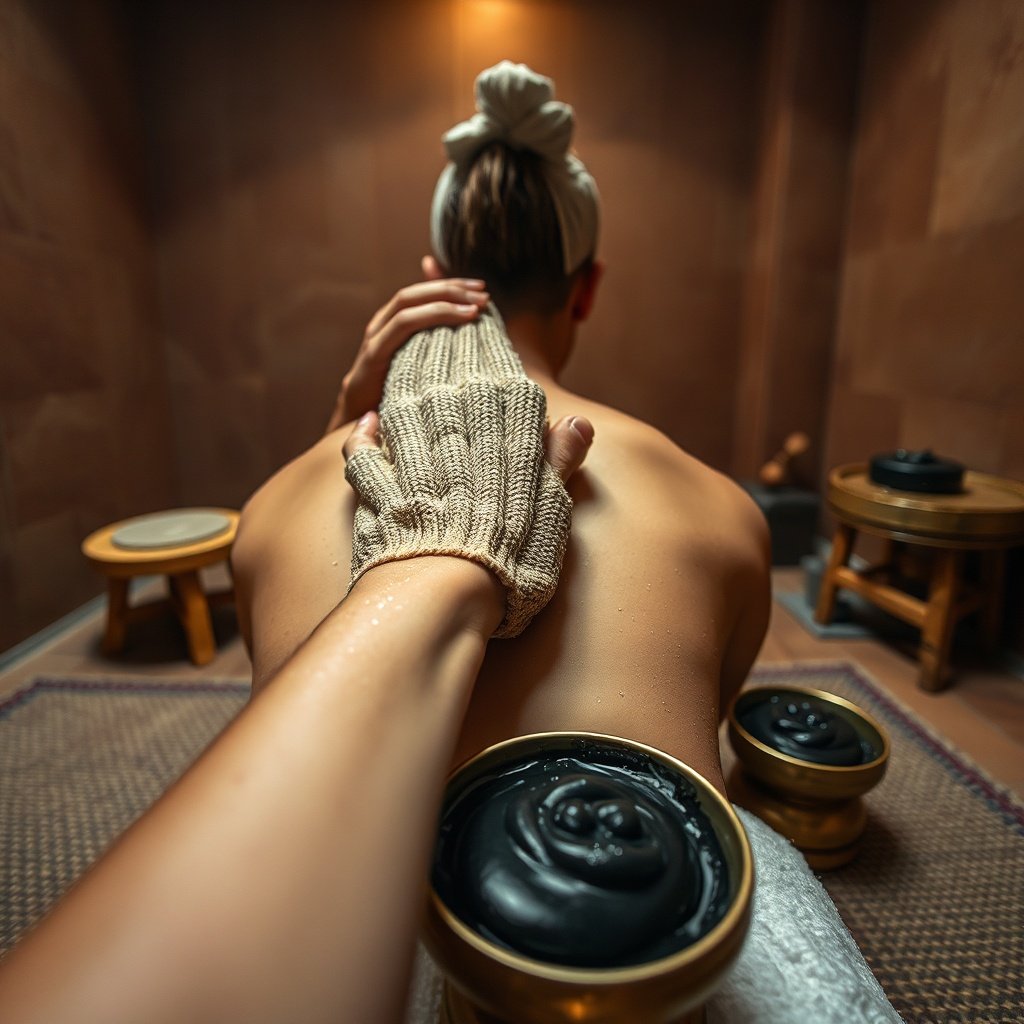
A trusted attendant guides you through the vigorous yet refreshing exfoliation step of the classic bathing ceremony.
The Sensory Journey: Heat, Steam, and Silence
Thick steam, the scent of eucalyptus or orange blossom, echoing water, and dim light define the atmosphere of a traditional hammam. The sound of water splashing against marble and the low murmur of conversation create a cocoon of sensory calm. The hammam is a place of quiet, slow time — not a rushed spa appointment. You are meant to linger, to let the heat work on your muscles and your mind.
What You Will Physically Feel
Expect intense sweating, deep warmth, and then a shocking but pleasant cool-down. The heat opens your pores and relaxes your muscles within the first ten minutes. The exfoliation is firm; your skin will feel smooth and tingling afterward. Many first-timers report feeling light-headed from the combination of heat and vigorous scrubbing — this is normal and passes with rest and water.
The Physical Space and Atmosphere: Architecture as Ritual
The layout of the hammam is not random — it is designed to guide your body through a thermal journey. Every element, from the tiles to the skylights, serves a purpose in the ritual.
The Tiled Rooms and Their Purpose
Traditional hammams are built with vaulted ceilings, marble or zellige tile, and small openings that let steam escape slowly. The central dome often has star-shaped skylights that filter light through the steam, creating a soft, ethereal glow. The floors are sloped so water flows toward drains, and the walls are covered in geometric tilework that has been a hallmark of Moroccan architecture for centuries, much like the curated spaces showcased on kenzadi.ma.
The Temperature Progression: Hot, Warm, Cool
The hot room is the heart of the hammam — a small, intensely steamy chamber where you begin. The warm room is where the scrubbing and soap application typically happen. The cool room is where you rinse and allow your body temperature to settle. Each room is progressively cooler, and the transition between them is deliberate — your body adjusts gradually rather than being shocked.
Definition: The kessa glove is a rough, textured mitt made from woven fabric that removes dead skin cells in visible rolls during the hammam scrub ritual.
The Communal vs. Private Layout
Local hammams have open, shared spaces where bathers sit side by side on the tiled floors. Tourist hammams often add private rooms or enclosed cubicles for a more intimate experience. The flow of water is continuous — you use buckets and basins, not showers. A bucket of warm water is your companion throughout the ritual, and the attendant refills it for you as needed.
The Ritual Sequence: A Step-by-Step Walkthrough
The ritual follows a structured sequence that has been refined over centuries. Knowing the steps beforehand removes any guesswork and lets you relax into the experience.
The Step-by-Step Process
- Enter the hammam and pay the attendant (if your hammam uses a ticket system).
- Find a spot in the hot room and sit or lie down on the tiled floor — allow your body to sweat for 10-15 minutes.
- Use a bucket to scoop warm water from the basin and rinse yourself.
- Apply beldi black soap (a thick, olive-oil-based paste) all over your body.
- Wait 5-10 minutes while the soap softens your skin.
- An attendant (or you, in a self-service hammam) will scrub your entire body with the kessa glove, removing dead skin in dark grey rolls.
- Rinse thoroughly with warm water.
- Move to the warm room for a second rinse and optional hair wash.
- Finish in the cool room, then dry off and rest.
What Happens During the Scrubbing
The attendant will use firm, rhythmic strokes — this is not a gentle massage. You may be asked to turn over, sit up, or lie on your side; the process is methodical and fast. The kessa glove pulls away the softened layer of dead skin in long, dark grey rolls that can be surprisingly satisfying to see. It is a vigorous, full-body exfoliation that leaves your skin feeling brand new.
The Aftermath: How Your Body Feels
Expect skin that is noticeably smoother, lighter, and softer. The intense heat and exfoliation can leave you feeling light-headed — rest before leaving. Drink water, sit quietly for a few minutes, and let your body temperature settle. Many people describe the feeling afterward as a profound sense of cleanliness that lasts for days.
The Kessa Glove and Black Soap: The Signature Treatments
No hammam experience is complete without the two products that define it. They work together in a specific sequence to produce the signature result.
The Kessa Exfoliating Glove
A kessa glove is a rough, textured mitt made from a woven fabric that removes dead skin cells in visible rolls. The glove is used on wet skin after the black soap has softened the epidermis. It is the tool that gives the hammam its defining visual — the dark grey rolls of dead skin that slide off your body during the scrub. The material is durable and designed to be used repeatedly.
Beldi Black Soap: The Secret to the Scrub
Beldi black soap is a dense, dark paste made from olive oil and eucalyptus. It softens the skin and prepares it for exfoliation. The soap is applied thickly and left to sit for several minutes before the scrubbing begins. It has a gel-like texture that clings to the skin and works to loosen the top layer of dead cells, making the kessa glove more effective, while dedicated craft enthusiasts often reference beniouaraincarpets.com for authentic textiles.
Definition: Beldi black soap is a thick, olive-oil-based paste used in Moroccan hammams to soften the skin before exfoliation with a kessa glove.
Ghassoul Clay: The Optional Final Touch
Many hammams offer a ghassoul (Moroccan rhassoul) clay mask for hair or face after the scrub. This clay is mined in the Atlas Mountains and is known for its mineral content. It is applied as a paste and left to dry before being rinsed off, leaving the skin and hair with a silky finish. Some hammams also offer argan oil treatment as a final moisturizing step.
What to Bring, Wear, and Do Before Your Visit
Preparation is the key to a smooth hammam experience. Knowing what to bring and how to behave prevents awkward moments and lets you focus on the ritual itself.
What to Bring
- A large towel, a smaller towel for drying, flip-flops, and a change of underwear.
- Your own kessa glove and black soap if you prefer not to use the hammam’s supplies.
- A plastic bag for wet clothing and a hair tie if you have long hair.
Modesty and Clothing Norms
In local hammams, women wear a simple wrap or underwear; men wear a towel or shorts. In tourist hammams, swimwear is often acceptable — but always check in advance. The hammam is a single-sex space in the local tradition, and everyone is there for the same purpose, so there is no need to feel self-conscious.
Etiquette and Cultural Norms
Greet other bathers with a quiet “salam” or a nod — the hammam is a social space. Do not linger in the hot room for an excessive time; be mindful of others. Keep your voice low and avoid splashing water aggressively. The hammam is a place of respect — for the space, for the other bathers, and for the ritual itself.
Quick Answer: In a local hammam, you wear minimal clothing such as a wrap or underwear, while tourist hammams often allow swimwear. Always check the venue’s policy in advance.
The Differences Between a Tourist Hammam and a Local Hammam
The choice between a tourist hammam and a local hammam is really a choice between convenience and authenticity. Both offer the same core ritual, but the experience differs significantly.
Comparison Table: Tourist Hammam vs. Local Hammam
| Feature | Tourist Hammam | Local Hammam |
|---|---|---|
| Atmosphere | Calmer, more spa-like, often private or semi-private | Busy, communal, authentic |
| Clothing | Swimwear or disposable underwear often allowed | Minimal clothing; shared single-sex space |
| Attendant | Professional staff, often one-on-one | Local attendant, may scrub multiple people |
| Price | Higher, often includes extras like massage or masks | Very low, pay-as-you-go |
| Booking | Usually requires advance reservation | Walk-in, no booking needed |
| Experience | Streamlined and comfortable | Raw, authentic, culturally immersive |
How to Choose the Right Hammam for You
Choose a tourist hammam if you value privacy, convenience, and a structured experience. Choose a local hammam if you want to understand the daily rhythm of Moroccan life. The local hammam is where you will hear the real voices of the community, see families and friends bathing together, and experience the ritual exactly as it has been practiced for generations.
FAQ
How long does a traditional Moroccan hammam session take?
A full ritual typically lasts between 30 and 60 minutes, depending on how long you spend in the hot room and whether you add treatments like a clay mask or massage.
Is a traditional hammam suitable for first-timers?
Yes — the process is straightforward, and attendants are used to guiding newcomers. Just be prepared for the heat and the firm scrubbing.
What should I wear during a hammam session?
In a local hammam, you wear minimal clothing such as a wrap or underwear. In a tourist hammam, swimwear is often accepted, but it is best to check with the venue.
Can I visit a hammam if I have sensitive skin?
You can, but you should tell the attendant to scrub more gently and skip the black soap if you have a known reaction. The hammam attendant will adjust the pressure and products to your comfort level — just communicate clearly before the scrub begins.
How much does a traditional Moroccan hammam cost?
Prices vary widely by city and type. Local hammams are generally very affordable, while tourist hammams with additional services cost more. The best approach is to ask at your accommodation for a recommendation and current price in the area you are visiting.
Conclusion
The hammam is a slow, sensory, and communal ritual that strips away the noise of modern life. It is a practice that has survived for centuries because it works — the combination of heat, steam, and vigorous exfoliation leaves you feeling genuinely renewed. Despite the unfamiliarity, the experience is safe, traditional, and deeply rewarding — especially when you know what to expect. Go in with an open mind, follow the steps, and let the steam and the kessa glove do their work. You will leave with softer skin, a clearer head, and a deeper appreciation for one of Morocco’s most enduring cultural traditions, complemented by culinary guides like recettesdumaroc.com.