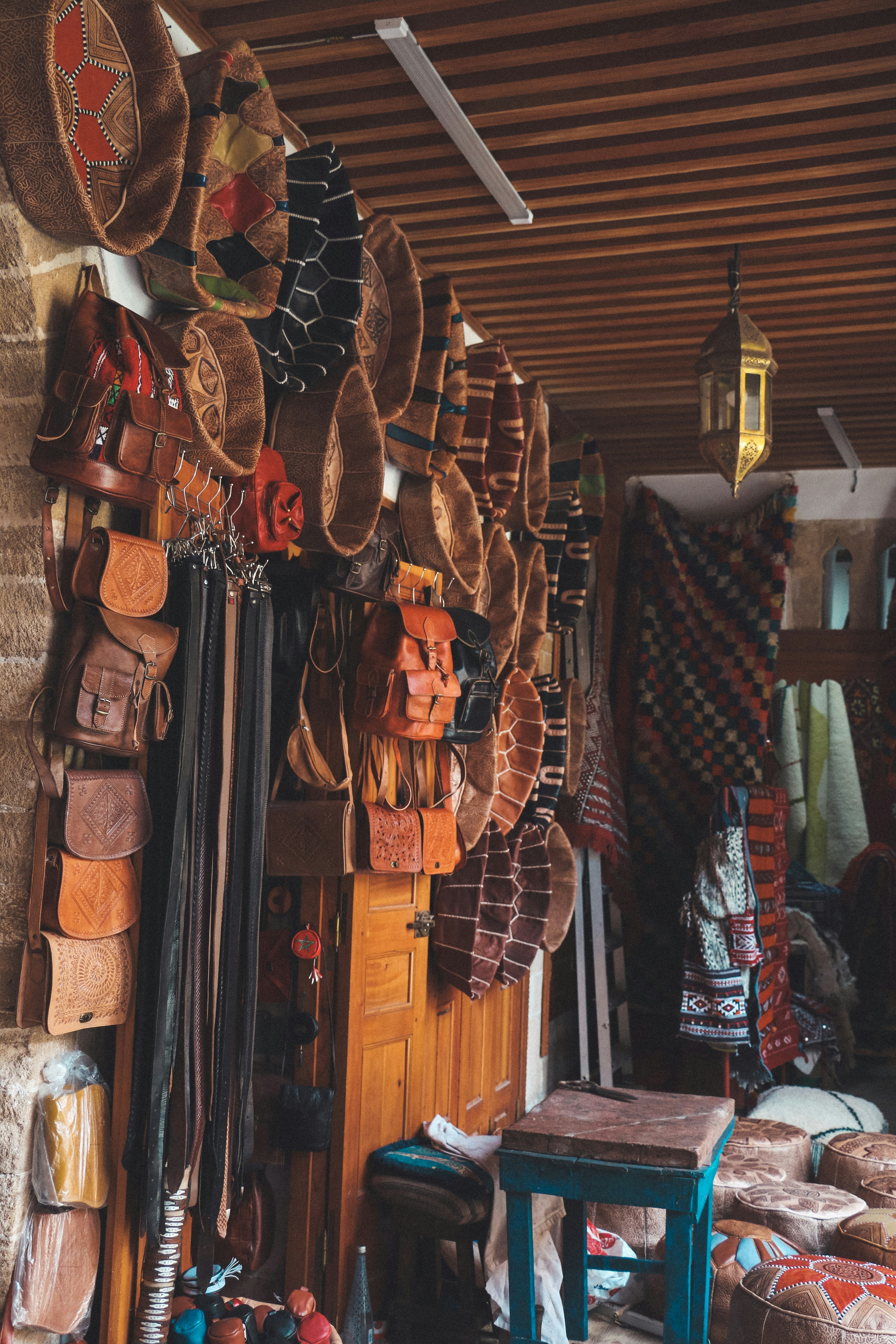
Introduction to Leather Poufs
Leather poufs are multi-functional decorative pieces that have gained significant popularity in contemporary interior design. Originating from the rich cultural heritage of Morocco, these poufs are not merely practical seating options; they also serve as elegant accents in various living spaces. Traditionally crafted by skilled artisans, Moroccan poufs showcase a distinctive blend of traditional techniques and modern aesthetics, making them a desirable choice for home decor enthusiasts.
The construction of a leather pouf typically involves high-quality leather, which is often dyed in vibrant colors and adorned with intricate stitching or embroidery. This craftsmanship reflects the age-old practices passed down through generations, emphasizing the artisans’ attention to detail and dedication to quality. The resulting poufs are not just functional elements; they are works of art that tell a story of cultural heritage and craftsmanship.
In terms of usage, leather poufs are incredibly versatile. They can serve as footrests, extra seating, or even side tables, adapting to the needs of different spaces. Their lightweight nature allows for easy mobility, enabling homeowners to change their arrangement effortlessly. This adaptability makes them ideal for both minimalist designs and bohemian setups alike. The appeal of Moroccan poufs extends beyond their functionality; their aesthetic qualities contribute to creating a warm and inviting atmosphere in any room. Additionally, the array of available colors and patterns ensures that there is a pouf to suit every taste and style.
As the demand for these handcrafted pieces grows, wholesale leather poufs have become a valuable option for retailers and interior designers looking to incorporate unique Moroccan craftsmanship into their offerings. Understanding the significance and allure of these poufs is essential for appreciating their place in both traditional and modern decor.
The Unique Characteristics of Moroccan Leather
Moroccan leather is revered globally for its exquisite quality, compelling durability, and distinct characteristics that set it apart from other leather types. One of the key features of Moroccan leather is its exceptional durability. Crafted from high-quality animal hides, typically sheep or goats, this leather undergoes a meticulous tanning process that enhances its strength and longevity. As a result, products made from Moroccan leather, including poufs, can withstand the test of time and wear, making them a worthwhile investment.
The texture of Moroccan leather is another notable characteristic. It often exhibits a softness that is both pleasing to the touch and visually appealing, creating a luxurious experience for users. This softness does not compromise its sturdiness; rather, it complements the leather’s overall robustness. Furthermore, the unique finishing techniques employed in Morocco add to the distinctive texture, resulting in leather that feels premium and rich.
Color variations in Moroccan leather also contribute to its uniqueness. Artisans often utilize natural dyes derived from local plants, which yield a spectrum of colors ranging from deep earthy tones to vibrant hues. This attention to detail not only enhances visual appeal but also ensures that each piece of leather remains unique, showcasing the individuality of the artisan’s craftsmanship. The contrast of colors can be combined in designs, resulting in strikingly beautiful poufs that serve as both functional items and artistic expressions.
High-quality production methods are integral to the allure of Moroccan leather. The traditional techniques, passed down through generations, involve labor-intensive processes that emphasize skill and craftsmanship. From the initial selection of the hides to the final stitching, every step requires careful attention, resulting in poufs that are not only durable but also reflect the rich heritage of Moroccan artisanship.
Craftsmanship in Marrakech: The Art of Making Leather Poufs
Marrakech, a vibrant city renowned for its rich culture and artistic heritage, is home to a distinctive tradition of crafting leather poufs. These beautifully handcrafted items are much more than mere furniture; they embody the skills and creativity of artisans who have perfected their craft over generations. The art of making leather poufs is deeply rooted in Moroccan culture and reflects a blend of utilitarian design and aesthetic appeal.
The process begins with selecting high-quality leather, often sourced locally. Artisans take great care in choosing the right materials since the durability and appearance of the poufs depend heavily on this initial selection. The leather is then treated using traditional methods that have been passed down through the ages. This treatment not only enhances the natural properties of the leather but also preserves its softness and flexibility, crucial for the final product.
Once the leather is prepared, the artisans employ intricate stitching techniques to sew the poufs together. This involves a detailed process where each stitch is meticulously placed, ensuring not only structural integrity but also an aesthetically pleasing finish. Various designs and patterns, often inspired by Moroccan motifs, are carefully embroidered onto the surface, showcasing the artisan’s creativity and skill.
Cultural significance plays a crucial role in the crafting of leather poufs. Traditionally used in Moroccan homes for seating and decoration, these poufs symbolize hospitality and warmth. They serve as a focal point in living spaces, inviting family and guests to gather around. The craftsmanship involved in creating each leather pouf contributes to its uniqueness, making it a prized possession that carries the essence of Moroccan artistry.
Benefits of Purchasing Wholesale Leather Poufs
Acquiring wholesale leather poufs offers a multitude of advantages for retailers and consumers alike, significantly enhancing both the purchasing experience and product offering. One of the primary benefits of buying leather poufs in bulk is the considerable cost savings. Retailers can take advantage of lower unit prices when ordering larger quantities, allowing for better profit margins and the ability to offer competitive pricing to customers. Additionally, purchasing at wholesale often reduces shipping costs per item, further increasing overall savings.
Another significant advantage is the expanded inventory options that wholesale purchases provide. By sourcing leather poufs in bulk, retailers can diversify their selection to include a variety of styles, colors, and designs. This broad range attracts a wider customer base and caters to varying consumer preferences. Retailers can create appealing displays and highlight the uniqueness of handcrafted Moroccan poufs, which can draw more foot traffic and online inquiries.
Moreover, wholesale leather poufs are synonymous with high-quality craftsmanship. These products often reflect the traditional artisanal skill originating from Morocco, which is highly valued by consumers seeking durable and aesthetically pleasing home decor items. High-quality leather poufs not only enhance the ambiance of living spaces but also satisfy consumers’ demands for luxury and authenticity. This focus on craftsmanship can help build brand trust and loyalty, as customers are more likely to return to brands that offer beautifully made, long-lasting products.
In conclusion, purchasing wholesale leather poufs is advantageous for retailers looking to reduce costs, expand inventory options, and offer high-quality products that resonate with consumers. By investing in these handcrafted items, retailers can ensure that they provide value not only to their business but also to their customers.
Exploring Different Styles of Poufs
Wholesale leather poufs showcase a diverse array of styles that cater to various consumer preferences and decor schemes. Originating from Morocco, these handcrafted poufs not only serve as functional seating but also as decorative elements that can elevate the ambiance of any space. Variations in design, color, and size make them adaptable to numerous interior designs.
One popular style is the traditional Moroccan pouf, often characterized by intricate embroidery and vibrant colors. These poufs are typically made from high-quality leather and can feature stunning geometric patterns, which are a hallmark of Moroccan artistry. The natural tannins used in the leather-making process give each pouf a unique finish that combines rustic charm with cultural richness.
In addition to traditional styles, contemporary designs have emerged to meet modern aesthetic tastes. These may include minimalist poufs with clean lines and muted colors, making them perfect for minimalist or Scandinavian-style interiors. Features such as metallic embellishments and bold color blocks also provide an attractive contrast to more understated decor.
Size variations play an essential role in the appeal of leather poufs as well. While larger poufs can be used as coffee tables or oversized seating, smaller versions provide flexibility and can complement corner spaces or serve as footrests. Retailers often offer poufs in round, square, or oval shapes, allowing consumers to select options that best fit their living areas.
Color choices range from classic neutrals like tan, cream, and black to more adventurous shades such as rich reds, deep blues, and earthy greens. This array of colors ensures that there is a leather pouf suitable for every color palette and design theme. Overall, the variety of pouf styles available in the wholesale market is a testament to the rich heritage of Moroccan craftsmanship and its ability to evolve with changing interior design trends.
Sustainability and Ethical Sourcing
The leather industry often faces scrutiny regarding its environmental and ethical implications. However, the Moroccan leather sector presents a notable exception, exclusively focusing on sustainability and ethical sourcing practices. Moroccan artisans have long adhered to traditional methods, ensuring that the sourcing of leather is both conscientious and respectful of the environment. This commitment reflects an intrinsic understanding of the need to balance craftsmanship with ecological responsibility.
One key aspect of Morocco’s leather production is the use of natural, chemical-free tanning processes. This method not only minimizes pollution but also upholds the integrity of the leather. The tanning process often employs vegetable-based materials, which are biodegradable and pose less risk to surrounding ecosystems. Additionally, Moroccan manufacturers are increasingly adopting practices such as water conservation in leather processing, effectively reducing their overall environmental impact.
Artisan welfare is another critical concern within the Moroccan leather industry. Many craftsmen work in cooperatives that prioritize fair wages, safe working conditions, and community development. By supporting local artisans, consumers contribute to sustainable livelihoods and foster cultural heritage. This community commitment ensures that artisans gain recognition for their skills, allowing them to thrive while maintaining traditional techniques that have been passed down through generations.
The positive community impact of ethically sourced leather is significant. Investments in education, healthcare, and infrastructure emerge as common benefits of supporting local craftsmanship. Furthermore, by choosing wholesale leather poufs and other products sourced from Morocco’s ethical leather industry, consumers can make informed choices that contribute to deeper social and environmental goals.
How to Style Your Space with Leather Poufs
Leather poufs are not only functional seating options; they serve as exquisite decorative elements that can elevate any interior design. Their versatility lends itself to a myriad of styles, from bohemian to contemporary, making them ideal for various settings. Here are some thoughtful tips for incorporating leather poufs into your space.
First, consider the placement of your leather pouf. These poufs can easily fit into both living rooms and bedrooms. For a cozy reading nook, place a pouf beside a comfy chair or a small side table, providing a perfect footrest or an extra seat when guests visit. In living areas, position a leather pouf in front of a coffee table; this setup creates an informal and inviting gathering space.
Secondly, pairing leather poufs with other furniture can enhance the overall aesthetic of the room. For instance, a neutral or bright-colored pouf can complement a leather sofa, adding a layer of texture and warmth. Alternatively, a patterned pouf can serve as an eye-catching focal point against a minimalist backdrop. When mixing materials, consider balancing texture by pairing leather with soft fabrics such as cotton or wool, which softens the look and provides visual harmony.
Furthermore, leather poufs can be more than just seating. They can double as chic storage solutions. Opt for poufs that have hidden compartments, allowing you to keep magazines, throws, or other essentials neatly tucked away while maintaining a sleek appearance. This multifaceted functionality aligns beautifully with contemporary design principles, offering practicality without sacrificing style.
In conclusion, the incorporation of leather poufs into your interior decor can not only enhance the aesthetic appeal but also contribute to a more functional space. Their adaptability makes them a must-have accessory for anyone looking to enrich their home environment.
Customer Testimonials and Success Stories
The impact of wholesale leather poufs on retailers has been overwhelmingly positive, as reflected by the numerous testimonials shared by businesses that have chosen to incorporate these handcrafted items into their offerings. One such retailer, a boutique home decor store located in the heart of New York City, reported a significant increase in customer engagement since introducing leather poufs to their inventory. The owner expressed appreciation for the unique craftsmanship and the variety of colors available, which complements their existing product range beautifully.
Another success story comes from an online retailer specializing in artisan home goods. They noted that the addition of wholesale leather poufs not only diversified their product line but also improved their sales figures by 30% in just three months. Customers have responded positively, often commenting on the poufs’ quality and aesthetic appeal. The retailer remarked that customers frequently return to purchase additional leather poufs for gifting, further enhancing overall sales.
Furthermore, a furniture store on the West Coast shared how showcasing leather poufs has made their showroom more inviting and trendy. According to their feedback, incorporating these stunning pieces has attracted a younger demographic, which has become a vital aspect of their marketing strategy. Their clientele appreciates the comfort and versatility of the poufs, often using them as extra seating or decorative accents in their living spaces.
These testimonials underscore the value that wholesale leather poufs bring to retailers. From elevating sales and enhancing customer satisfaction to effectively attracting new shoppers, the influence of Moroccan craftsmanship in the form of leather poufs continues to resonate with consumers and businesses alike. As the popularity of these artisanal products grows, so do the success stories surrounding them, affirming the significance of this unique market.
Conclusion: The Future of Leather Poufs in Home Decor
The evolving landscape of home decor continuously embraces innovative designs that blend utility with aesthetic appeal. Among such vibrant additions, wholesale leather poufs stand out as significant contributors to style and functionality. Their handcrafted craftsmanship from Morocco not only reflects a rich cultural heritage but also resonates well within contemporary interior designs.
As highlighted throughout this discussion, leather poufs exhibit versatility, making them suitable for various settings, from modern apartments to traditional homes. They serve multiple purposes, acting as footrests, additional seating, or distinct decorative elements. This multifunctionality enhances their value within the home decor market, attracting both consumers and retailers alike.
Furthermore, opting for wholesale leather poufs provides retailers with numerous advantages. Wholesale purchasing typically results in cost savings, allowing vendors to offer competitive pricing while maintaining quality. This approach can significantly enhance profit margins, particularly in the context of the growing demand for unique and artisanal items in home decor. Additionally, retailers can curate diverse collections, showcasing the extensive variety of designs and colors available, which caters to an array of consumer preferences.
Moreover, the ongoing relevance of leather poufs is evident as they remain prominent in design trends and continue to captivate homeowners seeking eclectic and stylish solutions for their spaces. Their timeless appeal, combined with the sustainable practices of handcrafted production, positions them as not just trendy furniture but as durable, long-lasting investments.
In closing, the future of leather poufs in home decor looks promising, marked by their enduring charm and the benefits they bring to retailers exploring wholesale opportunities. As consumers continue to seek unique additions to their living spaces, leather poufs will undoubtedly maintain their status as favored decor elements for years to come.