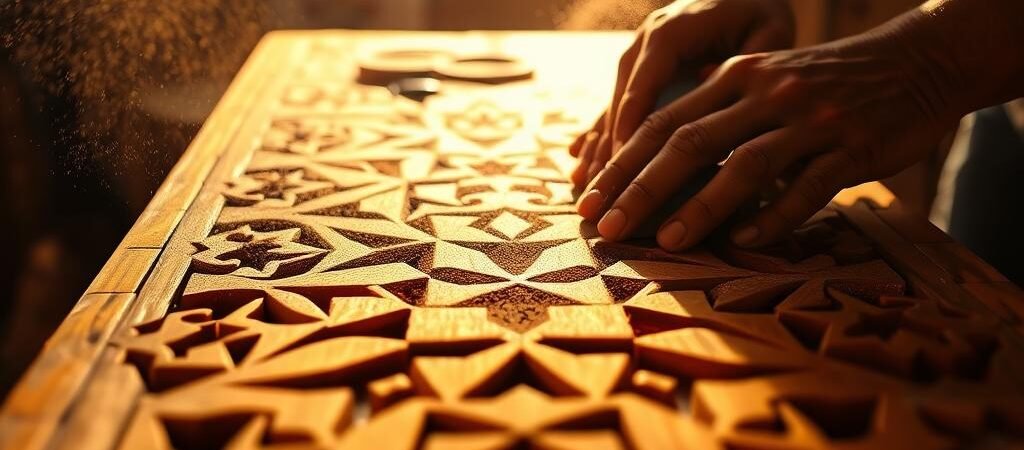
Handmade Moroccan furniture offers an unparalleled blend of artistic heritage and functional durability that mass-produced alternatives simply cannot match. As we move through 2026, the shift towards conscious consumerism has elevated these artisanal pieces from mere decor to central elements of sophisticated interior design.When you consider why choose handmade Moroccan furniture, the answer lies in the unique character of each piece, where slight variations in carving and finish serve as signatures of the artisan's hand. Unlike uniform factory outputs, Moroccan pieces bring the warmth of North African tradition into modern homes, creating spaces that feel both curated and deeply personal. The growing popularity of artisan home decor reflects a desire for authenticity, making these handcrafted items not just furniture, but timeless treasures that bridge the gap between utility and fine art.
Key Takeaways
- Handmade Moroccan furniture offers unmatched uniqueness due to distinct variations in carving and finish.
- Purchasing these pieces supports sustainable practices and preserves centuries-old artisan traditions.
- The durability of solid woods like cedar and thuya ensures these items serve as long-term heirlooms.
- Moroccan designs possess a versatile aesthetic that bridges traditional and contemporary interior styles.
The Definitive Advantages of Choosing Handmade Moroccan Furniture
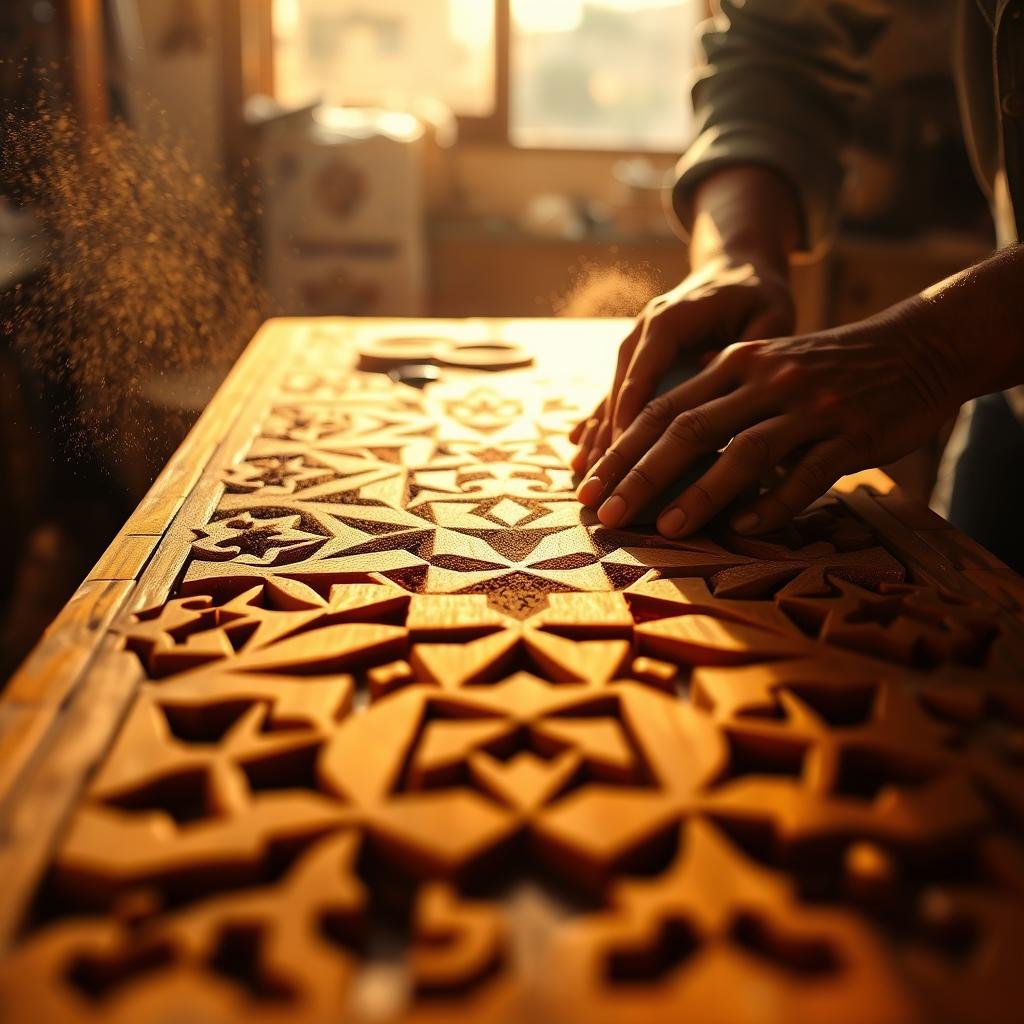
*A detailed shot emphasizing the hand-carved textures and quality of solid wood used in Moroccan furniture.*
When evaluating why choose handmade Moroccan furniture, the answer lies in the exceptional convergence of utility, ethics, and artistry that these pieces embody. These items are not merely assembled; they are sculpted by master artisans whose skills have been refined over generations. The primary benefit of artisan furniture is its ability to transform a room instantly. A hand-carved cedar chest or a mosaic-inlaid table serves as a focal point, blurring the line between a functional object and a fine art sculpture. This elevation of living space status is something mass-market brands rarely achieve, as it requires the human touch to imbue an object with soul and presence.
Furthermore, the exclusivity inherent in these pieces provides a singular aesthetic that machine-made replicas cannot achieve. Because human hands guide the chisel and the brush, slight variations in carving depth, finish, and wood grain occur naturally. These are not flaws but signatures of authenticity. You are guaranteed a piece that no one else owns, a stark contrast to the replication of industrial goods. The Moroccan craftsmanship quality ensures that while the designs are rooted in history, the execution is perfectly suited for the discerning modern homeowner who values individuality over uniformity.
**Quick Answer:** Handmade Moroccan furniture stands out because it merges functional utility with sculptural artistry. Unlike mass-produced items, each piece bears unique markings and variations from the artisan's hand, ensuring your home decor is truly one-of-a-kind and built to last generations.
The Intersection of Function and Fine Art
Moroccan furniture challenges the Western distinction between useful objects and art. A low-profile hexagonal table, for instance, is not just a surface for placing a coffee cup; it is a canvas displaying complex geometric star patterns derived from ancient mathematics. These pieces elevate a room's status immediately, serving as conversation starters that invite touch and admiration. The functionality is never compromised for the sake of form; rather, the two are intertwined. Drawers glide smoothly despite being hand-hewn, and surfaces are polished to a silky finish that resists daily wear, proving that beauty and durability can coexist.
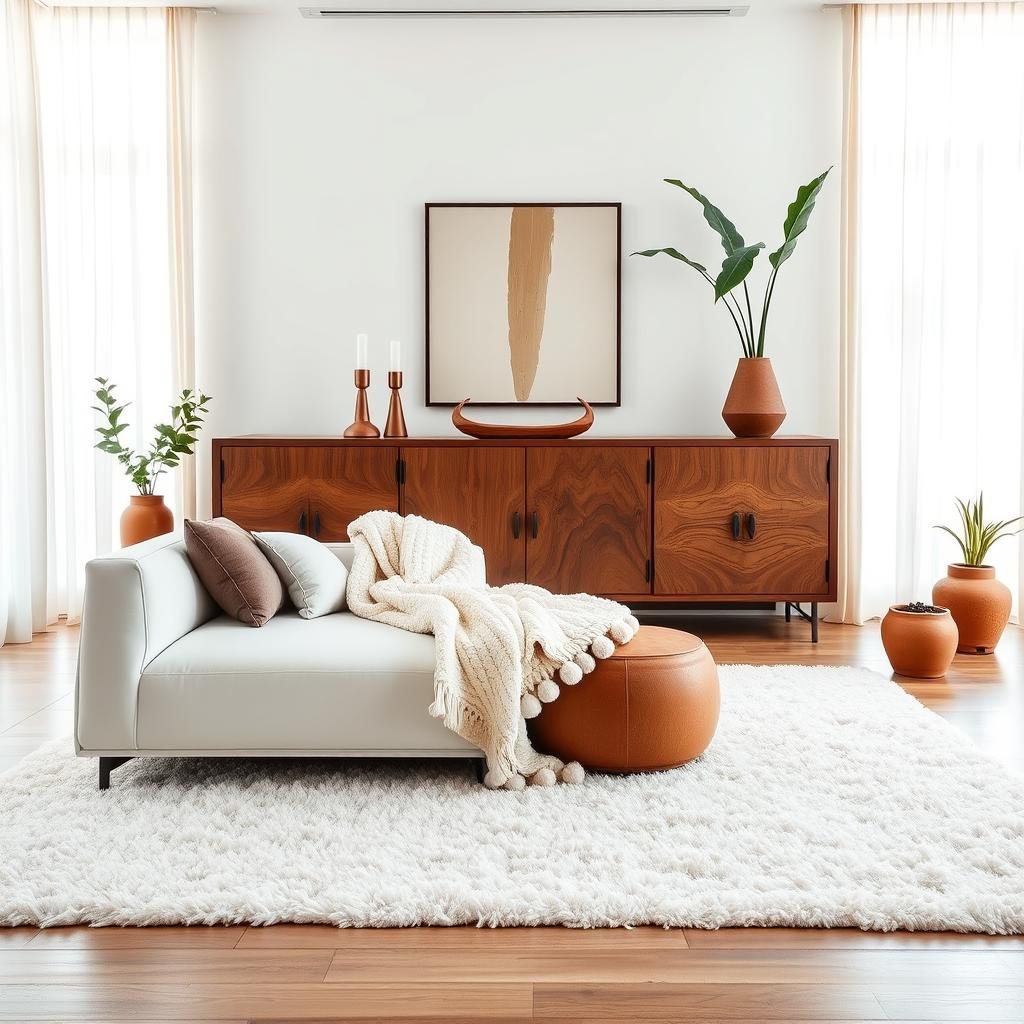
*A lifestyle image showing how handmade Moroccan furniture enhances a modern, cozy home atmosphere.*
A Guarantee of Exclusivity and Character
The handmade nature of this furniture ensures that no two pieces are identical. In a world of cookie-cutter design, owning a singular item offers a distinct psychological benefit. You are not buying a pattern; you are acquiring a specific moment in an artisan's life. The character of the wood—the knots, the grain shifts, the color variations—means that your headboard or armoire will have a personality entirely its own. This exclusivity allows homeowners to curate interiors that feel deeply personal and collected over time, rather than decorated in a single afternoon from a catalog.
Eco-Friendly Elegance: The Sustainable Choice for 2026 Homes
In 2026, sustainable furniture trends are driven by the "slow furniture" movement, and Moroccan craftsmanship is inherently aligned with this ethos. The production process in traditional cooperatives prioritizes eco-friendly home decor by utilizing raw, natural materials without the toxic chemical binders often found in flat-pack alternatives. Artisans work primarily with solid woods sourced responsibly, ensuring that the environmental impact is minimized from the very first step of creation. This approach stands in stark contrast to the "fast furniture" model, which relies on particle board, veneers, and synthetic glues that off-gas volatile organic compounds (VOCs) into the home.
A critical aspect of this sustainability is the commitment to zero-waste production methods. When crafting large furniture items, artisans meticulously save offcuts and scraps. These remnants are not discarded; instead, they are transformed into smaller items such as mosaic tiles, intricate inlays, or decorative boxes. This circular approach ensures that the raw material is honored and utilized to its fullest potential. Additionally, reducing carbon footprints through local sourcing is a key advantage. While a mass-produced table might ship components across three different continents before assembly, a Moroccan piece is typically sourced, crafted, and finished within a specific region, drastically lowering the total energy required to bring the furniture to your home.
**Definition:** **Slow Furniture** refers to furniture that is made with care, using high-quality, sustainable materials and traditional methods. It prioritizes longevity and ethical production over speed and low cost, encouraging consumers to buy less but choose better.
Zero-Waste Production Methods
The philosophy of waste not, want not, is central to the Moroccan artisan's workflow. In the creation of a mother-of-pearl inlaid table, the wood is cut, and the shell is painstakingly shaped. Every shaving of Thuya wood and every fragment of shell is preserved. The sawdust might be used as a natural fuel for firing or mixed with adhesives for smaller repairs. This holistic approach to manufacturing is rare in the modern era but is standard practice in the medinas of Morocco, making it an excellent choice for the eco-conscious consumer looking to reduce their environmental impact in 2026.
Reducing Carbon Footprints through Local Sourcing
The logistics of mass-market furniture involve a complex, carbon-heavy supply chain. Raw timber may be harvested in South America, processed in Vietnam, assembled in Europe, and shipped to North America. In contrast, Moroccan furniture is often sourced locally. The Thuya wood comes from the Essaouira region; the cedar is harvested from the Atlas Mountains. The artisan lives and works in the same community where the materials are grown. By eliminating the global shipping legs of the supply chain, the carbon footprint of a handmade Moroccan chest is significantly lower than that of a comparable item from a big-box retailer.
Timeless Versatility: Integrating Moroccan Craftsmanship into Modern Interiors
The misconception that Moroccan furniture belongs only in thematic or heavily traditional rooms is outdated. Today, modern eclectic decor embraces these pieces for their ability to introduce texture and history without overwhelming a space. The secret lies in the versatile nature of the materials and designs. For those pursuing a boho chic interior design, a hand-woven pouf or a geometric brass lantern fits seamlessly, but these items also shine in stark, minimalist industrial settings. The natural hues of cedar, walnut, and untreated metals complement the neutral color palettes dominating 2026 design trends, acting as warm counterpoints to concrete and glass.
When integrating these pieces, focus on balance. Mixing geometric patterns with contemporary solids is a highly effective styling strategy. If you have a sleek, solid-colored sofa, a low-slung Moroccan coffee table featuring complex zellige tile inlay or carved star patterns provides a stunning visual anchor. The intricate geometry draws the eye, creating a layer of visual interest that solids cannot achieve alone. Conversely, placing a rustic armoire against a clean, white wall highlights the craftsmanship without creating visual clutter. This adaptability ensures that your investment remains relevant even as your interior tastes evolve over the years.
The Neutral Palette and Natural Textures
Moroccan furniture often employs a palette that is surprisingly earthy and restrained. The rich, reddish-brown of Thuya, the honey-gold of cedar, and the oxidized silver of metalwork are naturally occurring colors. These tones act as neutrals, capable of grounding a room filled with vibrant colors or standing alone in a monochromatic scheme. The texture is equally important; the tactile sensation of a hand-carved smooth edge or the rough-hewn feel of a raw wood beam adds a sensory dimension to the home that slick, modern finishes often lack.
Mixing Geometric Patterns with Contemporary Solids
The key to successfully styling Moroccan furniture in a modern home is editing. You do not need to fill the room with pattern. Instead, use the geometric carvings of a Moroccan screen or the lattice work of a headboard as the "pattern" in the room. Keep the upholstery on sofas and chairs simple. Let the solid fabrics serve as a backdrop that allows the complexity of the woodwork to shine. This creates a sophisticated look that feels curated rather than chaotic. A single statement piece, such as a painted door turned into a dining table, can carry an entire room's design aesthetic.
The "Kanou" Method: Understanding Superior Durability and Joinery
The longevity of handmade Moroccan furniture is rooted in construction methods that predate modern industrial manufacturing. Central to this is the traditional joinery techniques often referred to locally as variations of the "Kanou" method. Unlike contemporary furniture that relies on screws, nails, and chemical glues which degrade over time, Moroccan artisans utilize ancient physics to secure their creations. This approach results in solid wood furniture durability that allows pieces to last for centuries, often becoming family heirlooms passed down through generations.
The cornerstone of this durability is mortise and tenon construction. This technique involves carving a hole (the mortise) into one piece of wood and shaping a protruding end (the tenon) on another to fit snugly inside. When glued with natural animal hide adhesive, these joints create a friction-based bond. Remarkably, as the wood expands and contracts with seasonal humidity changes, this joint often tightens further, strengthening the structure rather than loosening like metal fasteners.
Complementing this superior joinery is the resilience of native North African woods, specifically Thuya and Cedar. Thuya wood, prized for its swirling, burled grain, is dense and aromatic, naturally resistant to decay. Cedar is equally robust, possessing inherent oils that repel insects and moisture. These material choices are not merely aesthetic; they are strategic decisions ensuring that the furniture withstands the rigors of daily life while maintaining its structural integrity.
**Quick Answer:** The "Kanou" method and traditional joinery, specifically mortise and tenon construction, create friction-based bonds that strengthen over time. Combined with resilient native woods like Thuya and Cedar, this makes handmade Moroccan furniture significantly more durable than mass-produced items.
Mortise and Tenon Construction
The mortise and tenon joint is the heart of traditional Moroccan woodworking. It requires precise measurements and a masterful hand to execute correctly. Without the need for metal brackets or screws, the joint allows the wood to breathe. This is crucial for solid wood furniture, which is hygroscopic—meaning it absorbs and releases moisture from the air. Metal fasteners can cause the wood to split as it moves, but the flexible yet strong mortise and tenon joint accommodates this movement, ensuring the frame remains square and sturdy for decades.
The Resilience of Native Thuya and Cedar Wood
The selection of wood is not random; it is a science passed down through generations. Thuya, a coniferous tree found primarily in the Essaouira region, produces a burl that is incredibly hard and visually striking with its root-like grain patterns. It is naturally oily, making it resistant to moisture and rot—a vital property for furniture that must endure varying climates. Atlas Cedar, used for larger structural pieces like tables and chests, is lightweight yet immensely strong. Its distinct aroma acts as a natural insect repellent, protecting the furniture from termites and woodworms without the need for chemical treatments.
More Than Decor: Owning a Piece of Cultural Heritage
Choosing handmade pieces is an emotional investment in the preservation of intangible cultural heritage. Every chair, table, or mirror serves as a vessel for cultural storytelling in design, carrying forward the legacy of the Maghreb. When you purchase these items, you are not just acquiring a commodity; you are safeguarding the history of the artisan communities. The motifs and patterns found in Moroccan furniture are deeply symbolic. Geometric stars often represent infinity and the unifying nature of the universe, while lattice work may symbolize the protective barriers against the evil eye. Understanding these meanings transforms an object into a narrative artifact.
Moreover, your purchase has a tangible economic impact. It provides direct support of multi-generational artisan families in cities like Essaouira and Marrakech. By bypassing mass-market intermediaries, fair-trade cooperatives ensure that the masters of the craft receive a living wage. This financial stability is crucial for ensuring that these skills are passed to the next generation. Without this demand, centuries-old techniques risk being lost to industrialization and urbanization. Therefore, your choice to buy handmade actively participates in keeping a vibrant, living culture alive.
The Symbolism Behind Motifs and Patterns
The intricate designs adorning Moroccan furniture are a visual language. The eight-pointed star (Fatima's hand) is a common motif representing protection and luck. The interlacing geometric patterns, often based on the repetition of a single unit, symbolize the infinite nature of creation and the underlying unity of the universe. When you bring a carved table into your home, you are inviting these layers of meaning into your daily life. It adds a depth to the interior environment that goes beyond surface-level aesthetics, connecting the modern dweller with ancient philosophies of harmony and balance.
Direct Support of Multi-Generational Artisan Families
The craft of furniture making in Morocco is typically a family affair. Skills are taught from father to son, starting at a young age. By purchasing authentic handmade furniture, you are contributing directly to the local economy. This allows these families to stay in their trade rather than abandoning it for factory work or urban migration. It supports the continuation of the cooperative system, where workshops are community hubs. This economic empowerment helps preserve the social fabric of the artisan quarters in historic cities, ensuring that the human element of craftsmanship remains vibrant in the face of increasing globalization.
Conclusion
Ultimately, the decision to invest in handmade Moroccan furniture extends far beyond simple furnishing; it is a declaration of values. By prioritizing investment quality furniture, you gain the benefits of superior durability, sustainable production, and unique aesthetic appeal that mass-produced goods cannot offer. These pieces bring a soulful warmth to your home, acting as conversation starters and cherished heirlooms. As you look to enhance your space with unique home styling, remember that choosing handmade supports a global community of artisans and preserves a rich cultural legacy. Whether you are drawn to the intricate joinery, the aromatic cedar, or the symbolic patterns, these items provide a lasting connection to the human capacity for creativity. Embrace the beauty of imperfection and the strength of tradition, and transform